
Pre-Installation Checklist for a Home Sauna in Utah
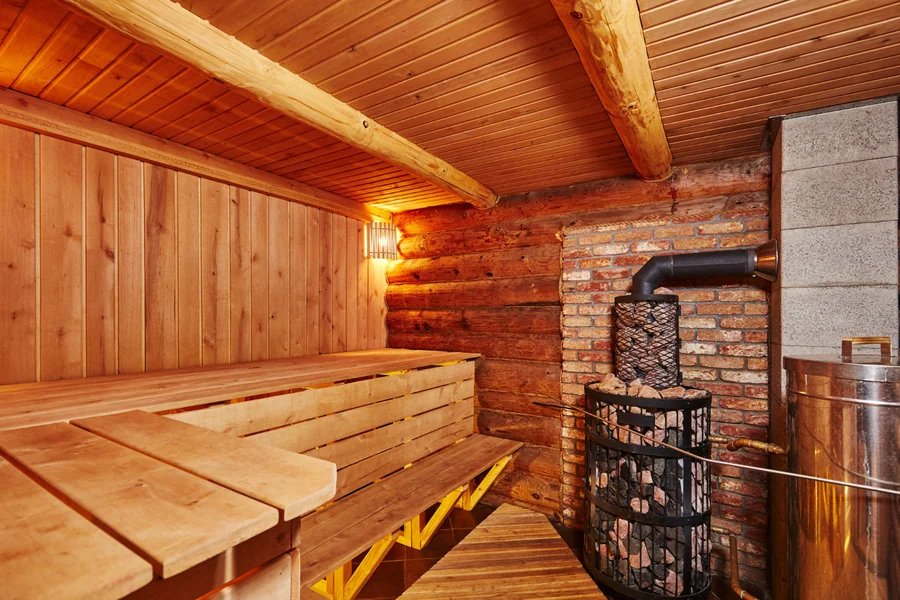
Installing a home sauna adds comfort and value, but preparation determines how well it performs over time. A clear checklist helps avoid delays, prevents costly adjustments, and ensures the space meets both safety and usability standards. Utah’s climate and housing styles make planning even more important, especially when dealing with insulation, ventilation, and electrical capacity.
Proper guidance during the early stages simplifies the process. In Utah, sauna dealers sometimes recommend reviewing site conditions before selecting equipment. This approach ensures that the sauna design aligns with available space, power supply, and structural support. Early preparation reduces installation issues and allows for a smoother setup experience.
Evaluate Space And Structural Readiness
Before installation begins, the designated area must meet specific requirements. A well-prepared location supports both performance and longevity.
Key Space Considerations
- Room Dimensions: Measure the area accurately to ensure proper sauna fit without crowding surrounding structures.
- Floor Strength: Confirm that the flooring can handle the weight of the sauna and occupants without stress.
- Wall Clearance: Maintain adequate spacing around the unit for safe heat distribution and maintenance access.
- Moisture Resistance: Choose surfaces that can tolerate heat and humidity without deterioration.
Indoor Vs Outdoor Placement
Indoor saunas require careful ventilation planning, while outdoor units must withstand seasonal weather changes. Utah’s varying temperatures demand materials that withstand both dry heat and cold without cracking or warping.
Plan Electrical And Ventilation Setup
Electrical and airflow planning play a central role in sauna efficiency. Overlooking these elements can lead to uneven heating or safety risks.
Electrical Preparation
- Dedicated Circuit: Ensure the sauna has its own circuit to handle power demands safely.
- Correct Voltage: Verify that the system matches the sauna’s voltage requirements.
- Professional Installation: Licensed electricians should complete wiring to meet local codes.
Ventilation Requirements
- Air Intake and Exhaust: Proper airflow maintains consistent heat and prevents stale air buildup.
- Humidity Control: Balanced ventilation reduces excess moisture and protects interior materials.
- Positioning of Vents: Place vents strategically to support even heat circulation throughout the cabin.
Midway through planning, reviewing all technical elements together ensures nothing is overlooked. In Utah, sauna dealers sometimes emphasize aligning the electrical setup with ventilation design to maintain steady performance and avoid uneven heat zones.
Check Insulation And Material Compatibility
Insulation directly affects how efficiently the sauna retains heat. Poor insulation leads to higher energy use and longer heating times. Use materials designed for high-temperature environments to prevent damage or heat loss.
Wood selection also matters. Sauna-grade wood resists warping and handles repeated heating cycles without releasing unwanted odors. Interior finishes should remain stable under high temperatures while maintaining a comfortable surface for seating and walls.
Review Local Codes And Permits
Building regulations in Utah vary by location, and compliance is essential before installation begins. Permits may be required for electrical work or structural modifications. Checking local guidelines ensures the project meets all safety standards and avoids interruptions during installation.
Homeowners’ associations may also have rules regarding outdoor structures. Verifying these requirements early prevents unexpected changes to placement or design.
Verify Licensed Sauna Installers For Code-Compliant Setup In Utah
Licensed installers follow state and local code requirements for electrical connections, ventilation, and structural placement. Verification of credentials and inspection knowledge ensures the installation meets all compliance standards without delays. Detailed assessments show how each technical element is handled before work begins.
Code-compliant installation prevents electrical faults and airflow issues. Proper execution supports safe operation and avoids complications during inspections or future modifications.
Prepare For Final Installation
A final walkthrough of the checklist ensures readiness before delivery. Confirm that the site is clean, accessible, and free from obstructions. All electrical and structural work should be completed in advance to allow for immediate installation.
Clear preparation supports a smoother process and reduces installation time. Each step in the checklist contributes to long-term performance, ensuring the sauna operates safely and efficiently from the start.