
Rear-Mounted Bike Racks: Safe Install on Hatchbacks, SUVs, and Wagons
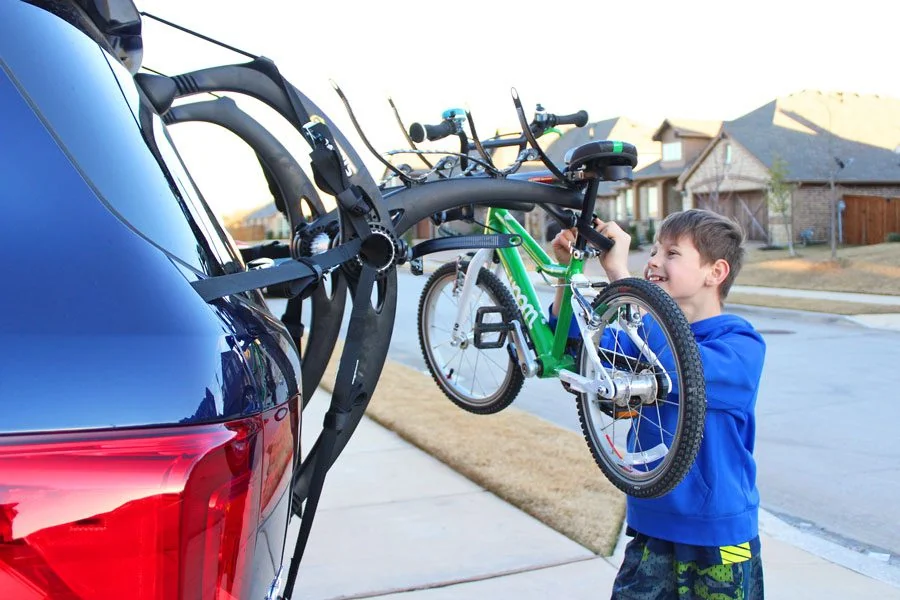
Rear-mounted bike racks can be a practical choice for vehicles that don’t have roof bars or a hitch setup, but their safety depends heavily on installation details. Most problems people run into, wobble, slipping straps, dented panels, or cracked trim, trace back to poor strap geometry or contact points that were never meant to bear load.
Because these racks rely on tension and friction rather than a fixed receiver, it helps to think of installation as creating a stable triangle between the rack, the vehicle body, and the strap anchor points. In common category groupings like Bike Racks Installation perth, rear-mounted options tend to vary most in how they distribute pressure across the hatch and bumper areas, which is why setup technique matters more than quick tightening.
Check Vehicle Fit and “No-Go” Features First
Before you unpack anything, look for features that can make a rear rack unsafe or unreliable:
- Fragile spoilers or plastic tailgates that flex under load
- Panoramic glass hatches with limited strong contact areas
- Very steep rear window angles where top hooks sit on glass or thin trim
- Sensors and cameras positioned where the rack’s pads will press
- Exhaust outlets close to the rack’s lower straps where heat can damage webbing
If the rack’s top hooks would rest on glass, or the lower arms can’t sit firmly on a solid section of bodywork, it’s usually a sign the fit is wrong, even if you can technically “make it work.”
Prep the Contact Points to Protect Paint and Trim
Rear racks press against the vehicle in a few small areas. Dirt trapped under those pads is a common cause of scratches.
- Wash and dry the contact zones on the hatch and bumper line.
- Wipe the rack pads so they’re grit-free.
- Add protection only where needed:
- A thin microfiber layer can reduce scuffing, but avoid thick padding that lets the rack “walk.”
- Keep any protective layer from wrinkling, since folds create pressure ridges.
Also check that rubber feet or pads are intact. Cracked pads can expose hard plastic edges that abrade paint quickly.
Install With the Hatch Closed and the Rack Centered
A common mistake is to fit the rack while the hatch is open, then close it and unknowingly change strap angles.
- Close the hatch and align the rack to the vehicle centerline.
- Ensure both lower feet sit at the same height and on similar surfaces.
- If the rack has adjustable arms, set them symmetrically before tensioning straps.
The rack should sit squarely, not twisted. A slight twist becomes a big shift once straps are tight.
Route Straps for Correct Geometry, Not Maximum Tightness
Rear racks usually use two upper straps and two lower straps, sometimes with additional side straps.
Upper straps
- Aim for a clean downward angle from the top hooks to the rack frame.
- Hooks should grab a solid metal lip when possible, not a thin plastic trim edge.
- Confirm the hook doesn’t pinch a weather seal in a way that prevents the hatch from closing properly.
Lower straps
- These should pull the rack into the vehicle, not downward into a bumper corner.
- Keep straps away from exhaust heat and sharp edges.
- If a strap rubs on a body seam, protect the strap with a sleeve and re-route if possible.
Side-to-side stability
If the rack includes side straps, use them to reduce lateral sway, but don’t rely on them to correct a poorly centered rack.
Tighten in a Sequence That Prevents Slipping
Tightening one strap all the way at once often shifts the rack off-center.
A safer sequence:
- Snug both upper straps evenly until the rack stays in place.
- Snug both lower straps evenly to pull the rack in.
- Re-check centering and pad contact.
- Tighten uppers again, then lowers again, in small increments.
- Tie off strap tails so they don’t whip against paint at speed.
Stop when the rack is stable. Over-tension can dent panels or distort a hatch.
Load Bikes to Reduce Leverage and Contact
Rear racks are sensitive to how weight sits.
- Put the heaviest bike closest to the vehicle.
- Stagger handlebars and saddles to avoid bikes tapping each other.
- Position pedals so they can’t swing into a neighboring frame.
- Use secondary straps to secure wheels if they can rotate freely.
If the rack tilts or flexes noticeably as you load, de-load and re-check strap angles rather than “muscling” the straps tighter.
Do a Stability and Safety Check Before Driving
Rear racks should pass a simple test routine:
- Shake test: grab the rack at the outer edge and shake. The rack should move with the vehicle, not independently.
- Hook inspection: confirm each hook is seated and not creeping along trim.
- Strap path check: no strap should cross sharp edges or hot zones.
- Visibility check: ensure lights, number plate, and reversing camera (if you rely on it) aren’t dangerously obstructed.
- Hatch check: make sure the hatch is fully latched and seals are not pulled out of place.
After driving 10 to 15 minutes, stop once and re-tighten. Straps settle and webbing can stretch slightly.
Ongoing Care: When to Re-Install Instead of Re-Tighten
If you find yourself constantly tightening, something about the setup is wrong.
Re-install from scratch if you notice:
- A hook shifting position after each trip
- Pads leaving deep imprints in one spot
- Fraying straps or melted fibers near the exhaust side
- The rack sitting lower on one side over time
Rear-mounted racks can be reliable, but only when the contact points stay consistent and the strap geometry remains symmetrical trip after trip.