
Split Queen Adjustable Bed for a Couple Who Never Agrees on Blankets
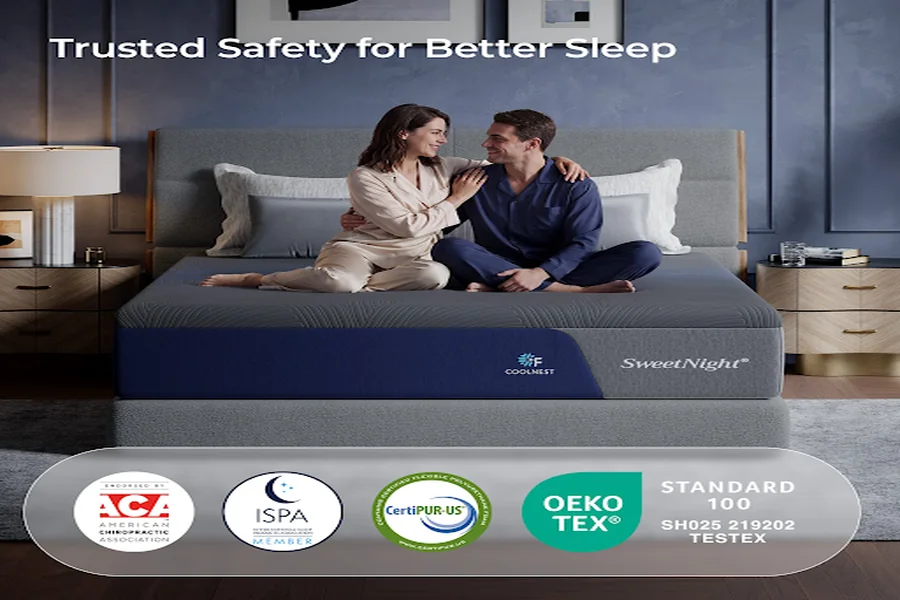
Sharing a bed sounds simple until two people discover that they have completely different ideas about comfortable bedding. One wants a thick comforter tucked around the shoulders, while the other kicks the covers away before midnight. One likes to sleep with the room cool and a light sheet, while the other reaches for another blanket as soon as the temperature drops. These differences may seem minor, but repeated adjustments during the night can interrupt sleep and make an otherwise comfortable bedroom feel frustrating.
A split queen adjustable bed can offer more flexibility for couples who prefer different sleeping positions, but bedding preferences require their own solution. The way a mattress supports each person, the materials touching the body, and the amount of warmth trapped beneath the covers all contribute to nighttime comfort. Rather than trying to convince one person to adopt the other’s habits, couples can look at how separate bedding, adjustable positioning, and mattress construction work together. Small changes can make a shared sleeping space more practical without turning bedtime into a nightly negotiation.
Why Blanket Preferences Become a Nightly Problem
Different temperature preferences are common between people who share a bed. One sleeper may naturally feel warmer, use heavier sleepwear, or prefer to sleep beneath fewer layers. The other may feel comfortable only when wrapped in a comforter. Bedroom humidity, mattress materials, personal routines, and differences in how each person experiences warmth can all contribute to the disagreement.
The problem becomes more noticeable when both people use one large blanket. If the warmer sleeper pulls the covers down, the other may wake up feeling exposed. When the colder sleeper pulls the blanket back, the warmer person may feel trapped beneath too much insulation. Repeating this process can disturb both people, even when the mattress itself provides suitable support. Recognizing that the disagreement involves individual comfort rather than stubbornness is the first step toward finding a better arrangement.
How a Split Queen Adjustable Bed Can Help
A split queen adjustable bed is designed around a split sleeping arrangement, although the exact configuration and adjustment options depend on the particular model. A split setup can give each sleeper more control over their side of the bed, particularly when the foundation supports independent movement. One person may prefer the head raised slightly for reading, while the other rests with the bed flat. This flexibility can reduce the need to compromise on every positional preference.
However, adjustable positioning and blanket temperature solve different problems. Raising one side of the bed does not automatically make that sleeper cooler, and separate movement does not guarantee that shared bedding will stay in place. Couples should check the foundation’s specifications to understand how its sides move and which mattress sizes it supports. Once the configuration is clear, they can decide whether separate comforters, lighter sheets, or different mattress characteristics would make the greatest difference to their nightly routine.
Separate Blankets Can Make Sharing a Bed Easier
One of the simplest ways to manage different temperature preferences is to stop treating one blanket as a shared resource. Separate comforters allow each person to choose the thickness, fabric, and amount of coverage that feels comfortable. The colder sleeper can use a heavier covering, while the warmer sleeper can use a lightweight quilt or sheet. Neither person needs to keep pulling the same blanket back and forth throughout the night.
Separate bedding can also make it easier to maintain consistent sleeping habits. Each person can adjust their own covering without exposing the other to a sudden change in warmth. The arrangement does not require matching blankets or identical fabrics. In fact, choosing different materials may be more practical when preferences are very different. The key is to select bedding that feels comfortable against the skin and remains manageable when the bed changes position.
What Mattress Construction Has to Do With Temperature
Blankets are only one part of the sleep environment. Mattress materials also influence how warmth is experienced during the night. Memory foam responds to pressure and body heat, allowing the material to conform around the sleeper. This close contact can create a comfortable, cushioned feel, but some people notice that warmth builds around areas such as the back, shoulders, and hips. The effect depends on the foam formulation, cover fabric, comfort-layer design, and the conditions in the bedroom.
Hybrid mattresses combine foam layers with a spring support system, while all-foam designs rely on different combinations of foam for comfort and support. Neither category automatically guarantees a cooler sleep experience. A mattress should be evaluated according to its complete construction, the sleeper’s preferred position, and how it feels after several hours of contact. Couples who disagree about blankets may also benefit from understanding whether one person feels warm mainly because of the bedding or because the mattress surface itself retains more heat than they prefer.
Choosing a Mattress for Different Temperature Needs
When couples compare the best mattress for hot sleepers, it helps to consider individual comfort rather than expecting one product feature to satisfy everyone. A warmer sleeper may prefer a surface that feels less insulating, while the colder sleeper may prioritise cushioning and the ability to remain comfortable under heavier bedding. Both people still need suitable support, so temperature should be considered alongside firmness, body weight, sleeping position, and mattress compatibility.
It is also important to distinguish between a cool initial sensation and comfort over an entire night. A surface may feel cool when first touched, but the longer-term experience depends on body contact, airflow, moisture, and the layers covering the mattress. Couples should review construction details and available specifications instead of relying on a single cooling claim. If their preferences differ significantly, separate blankets may provide a simpler solution than trying to find one mattress that feels equally cool to both people in every situation.
A Mattress Option Worth Examining
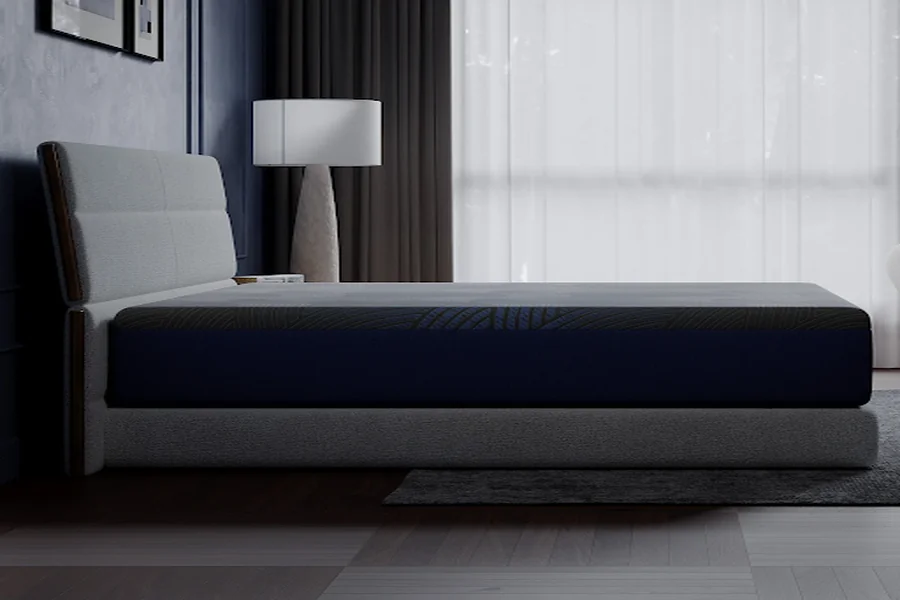
The SweetNight CoolNest Pro Memory Foam Mattress is one option to consider when reviewing memory foam designs for a shared bedroom. Its product information provides a starting point for assessing its construction and intended comfort features before deciding whether it suits individual preferences. When comparing mattresses, it is useful to examine the available specifications, firmness choices, and any guidance regarding adjustable foundations rather than assuming that all memory foam mattresses respond identically.
A mattress should be judged as part of the complete sleep setup. The same design may feel different to two people because of variations in body weight, sleeping position, sensitivity to warmth, and preferred bedding. Someone who sleeps hot beneath a thick comforter may experience a different result after switching to a lighter cover, while another person may need more insulation to feel comfortable. Reviewing the mattress alongside these everyday factors creates a more realistic basis for deciding whether it meets the needs of both sleepers.
How Adjustable Positions Affect Blanket Placement
Changing the bed angle can make shared bedding more difficult to manage. When the head section rises, a large comforter may slide toward the lower part of the mattress or gather around the waist. Raising the legs can also cause fabric to bunch near the knees and feet. If one sleeper adjusts their side while the other remains flat, the movement of shared bedding may become even more noticeable, depending on the bed’s configuration.
Separate blankets can reduce this problem because each covering can move with its own sleeper. It may also help to choose fitted sheets that are appropriate for the mattress and adjustable foundation, allowing enough flexibility for movement without becoming loose. Avoid tucking thick layers tightly around moving sections, and check that the bedding does not interfere with the foundation’s operation. These practical details can improve comfort without requiring either person to give up a preferred sleeping position.
Why Pillow and Sleepwear Choices Also Matter
A sleeper may blame the blanket for feeling hot when the pillow or sleepwear is contributing to the problem. The head and neck remain in contact with the pillow for long periods, so its filling and cover can influence how warmth and moisture feel around the face. Heavy sleepwear may also retain heat even when the blanket has been reduced. These details are particularly important for people who wake up warm around the upper body but feel comfortable elsewhere.
Pillow height should also suit the sleeping position, especially when the head section of an adjustable bed is raised. A pillow that feels appropriate on a flat mattress may support the neck differently when the torso is elevated. Try to assess pillow comfort and bedding separately, changing one factor at a time. This makes it easier to discover whether the main problem comes from excessive insulation, the pillow, or the position of the body rather than making several changes without knowing which one helped.
Building a Bedtime Routine That Respects Both People
A successful shared sleeping arrangement does not require both people to follow identical habits. One person can prepare a heavier comforter before bed, while the other chooses a lighter covering. If the adjustable foundation offers independent positioning, each sleeper can select a comfortable angle before settling down. Agreeing on these preferences in advance can reduce the repeated adjustments that sometimes happen after one person is already asleep.
It also helps to evaluate changes over several nights. A blanket that feels comfortable during a cool evening may become too warm when humidity rises. Similarly, an elevated position may feel useful for reading but less comfortable when maintained for sleep. Couples can keep the routine simple by noting which bedding combinations and positions work best under different conditions. The aim is not to eliminate every difference in preference, but to make those differences easier to accommodate without disturbing each other’s rest.
Making Different Preferences Work Together
Couples do not need identical temperature preferences to share a comfortable bed. Separate bedding, suitable mattress construction, appropriate pillows, and a practical adjustable-bed setup can help each person manage their own comfort. The most useful changes often begin with simple details, such as reducing unnecessary blanket layers or checking how the bedding behaves when the bed is raised.
A split queen arrangement can offer flexibility, but the overall experience still depends on how the mattress, foundation, bedding, and bedroom conditions work together. By treating each person’s preferences as separate needs rather than a problem to solve through compromise alone, couples can create a sleeping environment that feels more practical for both. The goal is a comfortable shared room where neither person has to spend the night negotiating over the covers.