
Supporting Recovery at Home: What Families Should Know About At-Home Testing
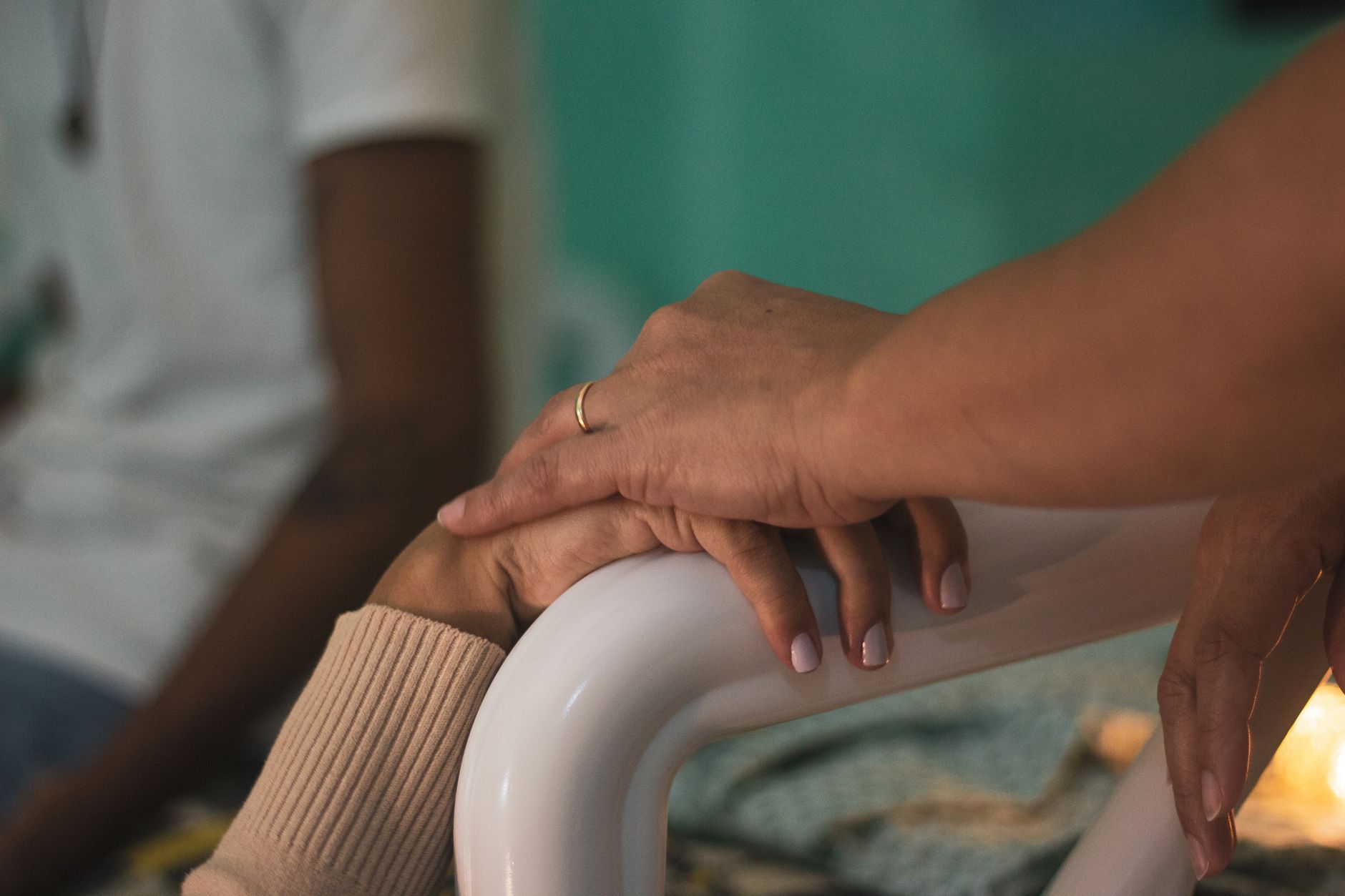
Recovery from substance use does not end when someone leaves a treatment program. Much of the ongoing work happens at home, in the everyday routines that either support sobriety or quietly undermine it. For families trying to strike the right balance between support and accountability, at-home drug testing has become a practical tool worth understanding.
Why Families Turn to At-Home Testing
Formal treatment programs, whether inpatient or outpatient, often include their own testing protocols. Once someone returns home, that structure can loosen considerably, which is exactly when some families choose to introduce their own testing arrangement, not as surveillance, but as a way to provide concrete reassurance during an uncertain period.
The Practical Side of Modern Test Kits
Multi-panel cup tests have made this considerably more manageable than it used to be. A single cup can screen for a wide range of substances in one sample, with results appearing directly on the cup within minutes, avoiding the need for a clinic visit every time a check-in is needed. Home supplier 12 Panel Now periodically offers its Discounted Drug Tests promotion on multi-panel cups, which makes it more practical for families to stock up for ongoing use rather than buying a single test at full price each time.
Setting Up an Arrangement That Builds Trust
The tone of a testing arrangement matters enormously for whether it actually helps. Framing it as a mutually agreed step, with a clear purpose and a plan to loosen it over time as trust rebuilds, tends to work far better than framing it purely as suspicion or control.
What Testing Cannot Replace
At-home testing works best as a supplement to ongoing recovery support, not a replacement for it. Counseling, sponsor relationships, and any medical or psychiatric care remain central to a recovery plan. Testing simply adds a layer of concrete information that can ease anxiety for everyone involved.
Handling a Positive Result Calmly
A positive result, if it happens, calls for a calm, planned response rather than an immediate confrontation. Having a plan in place beforehand, ideally coordinated with whatever treatment team or support structure is already part of the person's recovery, tends to lead to a more productive outcome than reacting in the moment.
Keeping a Discounted Stock Reliable
Because test kits have an expiration date, it makes sense to buy only what will realistically be used within the shelf life, even when a good price makes buying more tempting. Storing kits somewhere cool and dry helps preserve their accuracy.
Frequently Asked Questions
Is it appropriate to test a family member in recovery without informing them?
Most recovery professionals recommend transparency. Testing tends to work best as an agreed-upon arrangement rather than something done covertly, which can damage trust rather than rebuild it.
How accurate are at-home multi-panel drug test cups?
When used correctly and within their expiration window, they are generally reliable for initial screening. Results needing clinical or legal standing are typically confirmed with a follow-up lab test.
Should at-home testing replace a formal treatment program's own protocols?
No, it works best as a supplement alongside a treatment center, sponsor, or program's existing requirements, not as a replacement for them.
Are discounted test kits any less reliable than full-price ones?
No, a lower price generally reflects a promotion or bulk pricing rather than any difference in quality from a reputable supplier.
Where can families find discounted multi-panel test kits?
Specialty suppliers such as 12 Panel Now periodically run promotions on their test cups, which is typically the most cost-effective way to stock up.