
The Biological Cost of a Missing Tooth: Why Modern Dentistry Focuses on the Root
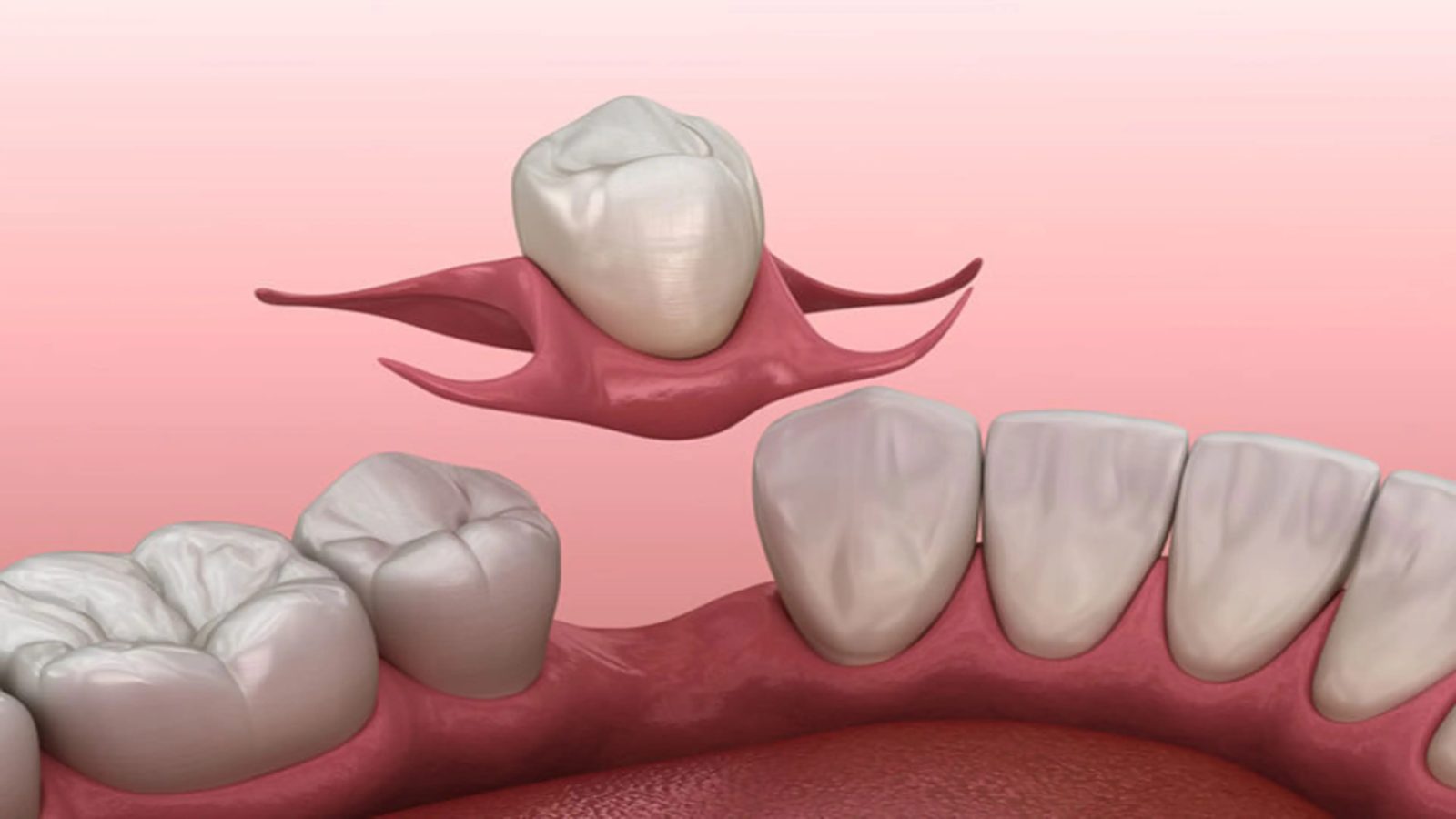
Adults lose teeth. The American College of Prosthodontists reports that over 120 million adults are missing at least one tooth. Families often delay treating a single missing tooth, especially if it is in the back of the mouth where no one can easily see it. Between juggling schedules and managing household budgets, a hidden dental issue easily falls to the bottom of the priority list.
But a missing tooth is more than a cosmetic gap. It triggers a slow, aggressive biological chain reaction beneath the gums. Patients usually want to know how quickly a dentist can fill the space. Modern restorative dentistry, however, has shifted away from simply plugging gaps. The focus is entirely on what happens to the jaw structure over the next decade.
This article examines the structural changes that occur after tooth loss. We will look at how specific techniques prevent jawbone deterioration, compare surface-level fixes with root replacements, and outline what patients should actually expect from the recovery timeline.
The Mechanics of Jawbone Resorption
When a tooth is extracted, the immediate concern is the empty space. The real problem starts in the bone.
Teeth are not static objects sitting passively in your mouth. Their roots stimulate the alveolar bone every single time you chew. The human jaw exerts immense force, often up to 200 pounds of pressure during a heavy bite. This mechanical stress tells your body to keep sending calcium and nutrients to the jawbone to keep it dense and strong.
When the root is gone, that stimulation stops immediately. The body is brutally efficient. Without regular chewing pressure, it stops maintaining the bone in that specific area. This physiological process is called bone resorption.
Within the first twelve months of losing a tooth, a patient can lose up to 25 percent of the bone width in that spot. Over time, the bone loss compounds. The adjacent healthy teeth begin to drift into the empty space. This alters your entire bite alignment. A misaligned bite causes uneven wear on your remaining enamel and frequently triggers temporomandibular joint (TMJ) disorders. The consequences cascade from a single localized gap to chronic jaw pain and the potential loss of neighboring teeth.
Bridging the Gap vs. Root Replacement
For decades, the standard response to a missing tooth was a fixed dental bridge or a removable partial denture. These options solve the immediate visual problem. They provide a chewing surface and restore a complete smile.
However, traditional bridges require a dentist to permanently alter healthy teeth. The dentist must grind down the natural teeth on either side of the gap to support the crowns that hold the false tooth in place. You are essentially damaging two healthy teeth to replace one. Furthermore, neither a bridge nor a denture replaces the root. The bone resorption process continues unabated underneath the false tooth.
This biological reality is why dentists now prioritize treatments that replace the entire tooth structure. A dental implant is a titanium post surgically placed directly into the jawbone. Titanium is highly biocompatible. Over a few months, the living bone fuses directly to the metal through a cellular process called osseointegration.
This fusion tricks the central nervous system into thinking the tooth root is still present. The chewing pressure transfers back to the jaw, halting the resorption process entirely. For patients evaluating single tooth implants Winnipeg MB and similar local restorative options, the consultation typically centers on this bone preservation benefit. The artificial root provides a permanent foundation for a ceramic crown, leaving the neighboring healthy teeth completely untouched.
Evaluating Patient Candidacy
Not everyone is an immediate candidate for root replacement. Because the procedure relies heavily on the body's natural healing capabilities, dentists must evaluate several systemic health factors before moving forward.
Bone Density You need sufficient bone volume to anchor the titanium post. If you have been missing a tooth for several years, you likely have significant bone loss. In these cases, a dentist will perform a bone graft. They place sterile bone material into the socket to rebuild a solid foundation.
Gum Health Active periodontal disease is an immediate disqualifier. The gums must be entirely free of infection before surgery. If bacteria enter the surgical site, the titanium post will fail to integrate with the surrounding bone.
Systemic Conditions Uncontrolled diabetes slows down the body's natural healing process and drastically increases the risk of post-surgical infection. Similarly, heavy smoking restricts oxygen and blood flow to the gums. Dentists usually require patients to quit smoking for several weeks before and after the procedure to ensure a successful integration.
The Recovery Timeline and Materials
Replacing a root is a surgical procedure. Patients need realistic expectations about the timeline. Unlike a simple composite filling, this is not a one-day fix.
If a bone graft is required, the site typically needs three to four months to heal before it can safely support an anchor. Once the jaw is prepared, the titanium post is inserted. The gums are sutured closed over the surgical site, and the osseointegration phase begins. This bone fusion takes anywhere from three to six months. During this waiting period, patients wear a temporary flipper or retainer to hide the visible gap.
The final phase is attaching the abutment and the custom crown. Modern crowns are usually milled from solid zirconia or layered porcelain. Zirconia is incredibly durable and resists chipping, making it ideal for molars that endure heavy chewing forces. Porcelain offers a slightly more translucent, natural appearance, which is heavily preferred for front teeth. The timeline requires patience, but the final outcome is a permanent structural restoration that functions exactly like organic enamel.
Long-Term Oral Hygiene Demands
There is a widespread misconception that artificial teeth do not require care because metal and ceramic cannot get cavities. While a zirconia crown will never decay, the gum tissue and bone supporting the implant are still highly vulnerable to bacterial infection.
Peri-implantitis is a destructive condition similar to severe gum disease that specifically targets restorative implants. If plaque accumulates around the base of the crown, the resulting bacterial inflammation destroys the surrounding bone tissue. If the bone recedes too far, the entire structure will loosen and require surgical removal.
Maintaining a restored tooth demands the exact same daily discipline as maintaining a natural one.
- Consistent brushing: Brush twice a day with a soft-bristled brush to prevent plaque buildup directly at the gum line.
- Targeted flossing: Water flossers are highly recommended for cleaning the hard-to-reach areas around the titanium base.
- Professional cleanings: Hygienists must regularly remove hardened tartar that a standard home toothbrush cannot dislodge.
- Routine imaging: Dentists need annual X-rays to monitor the bone density surrounding the post and catch early signs of recession.
Conclusion
Modern dentistry recognizes that a missing tooth is a biological problem first and a cosmetic issue second. Traditional bridges and partial dentures provide a quick visual fix, but they completely fail to address the underlying bone loss that ultimately compromises your entire jaw structure.
By replacing the root itself, practitioners halt jaw deterioration and preserve the natural alignment of the surrounding teeth. The surgical process requires a longer time commitment and strict adherence to post-operative care, but it delivers a permanent, structural solution rather than a temporary patch.
Take a moment to evaluate your own dental health. If you are relying on an older traditional bridge or currently ignoring a gap in your smile, are you confident in the health of the bone beneath it?