
The Rise of Online Sports Streaming Platforms
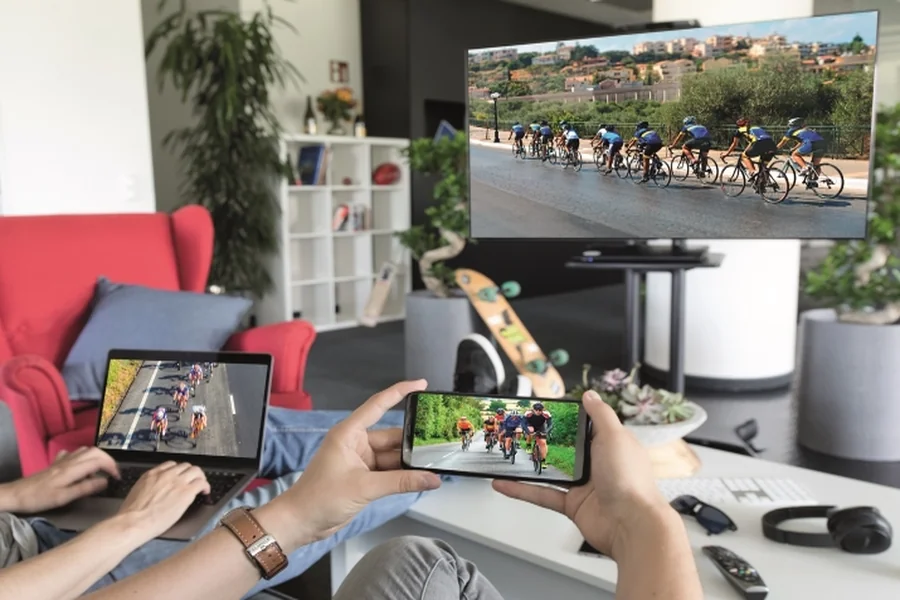
Not long ago, watching a live sports game was relatively simple.
Fans turned on the television, found the right channel, and watched whatever their cable or satellite package provided. The options were limited, but the process was familiar.
That model has changed dramatically.
Today, sports fans can watch games through live-TV streaming services, league-specific platforms, broadcaster apps, smart TVs, mobile devices, websites, and other digital channels. Instead of relying entirely on a traditional television package, viewers can build a sports-watching setup around the competitions they actually follow.
The rise of online sports streaming platforms is not simply a story about technology replacing cable.
It is a shift in how sports content is distributed, purchased, discovered, and consumed.
At the same time, the growing number of platforms has created new challenges. Broadcasting rights can be complicated, regional restrictions still apply, subscription costs can accumulate, and not every website offering a live game is necessarily an authorized source.
Understanding how this landscape developed can help fans navigate it more effectively.
From Television Channels to Digital Platforms
Traditional sports broadcasting was built around television networks.
A broadcaster acquired rights to a competition and distributed the games through its television channel. Viewers generally accessed that programming through cable, satellite, or terrestrial television.
The internet introduced a different distribution model.
Instead of sending the same broadcast exclusively through a television network, companies could deliver video directly through websites and applications.
This created an opportunity for broadcasters, leagues, teams, and technology companies to reach audiences without depending entirely on traditional television infrastructure.
Early online sports experiences were often limited by internet speeds and technology. As broadband connections, smartphones, smart TVs, and streaming infrastructure improved, watching live video online became increasingly practical.
The result was a gradual transition from television-centered sports consumption toward a multi-platform environment.
Why Fans Started Moving Online
Several factors contributed to the growth of sports streaming.
Convenience
Streaming allows fans to watch from more locations.
A television is no longer the only screen that matters. Depending on the provider, viewers may use phones, tablets, computers, smart TVs, gaming consoles, or dedicated streaming devices.
Flexibility
Digital platforms can combine live broadcasts with replays, highlights, and on-demand programming.
That is useful for fans who cannot always watch a game at its scheduled time.
More Specialized Choices
Traditional cable packages generally bundle many channels together.
Streaming services can be more specialized.
A viewer who primarily follows one league may prefer a dedicated service rather than paying for a broad collection of channels.
Changing Viewing Habits
Younger audiences in particular have become accustomed to consuming video through internet-connected devices.
Sports organizations and broadcasters have adapted to those habits by making more content available digitally.
The Growth of Live-TV Streaming
One of the most important developments was the emergence of live-TV streaming services.
These platforms attempt to reproduce the traditional television experience through an internet connection.
Instead of receiving channels through a cable connection, subscribers access them through an application or website.
For sports fans, this can provide access to multiple sports networks through one service.
The model appeals particularly to households that want a broad selection without maintaining a conventional cable subscription.
However, it does not eliminate the complexity of sports rights.
A platform may offer several sports networks while still lacking a particular competition or regional broadcaster.
The number of available channels is therefore less important than whether the service carries the programming a viewer actually wants.
League-Specific Platforms Changed the Equation
Another major development has been the growth of direct-to-consumer sports services.
Instead of relying entirely on television networks, leagues can provide digital access directly to fans in eligible markets.
This model allows a competition to create a closer relationship with its audience.
A dedicated service may offer live games alongside:
- Full-game replays
- Highlights
- Condensed games
- Archives
- Interviews
- Original programming
- League news
For dedicated fans, this can be more relevant than a large general television package.
However, league-specific services are not always a complete replacement for traditional broadcasters.
Local rights, national agreements, and blackout policies can affect which games are available.
Broadcasters Are Becoming Streaming Companies Too
The rise of streaming has not necessarily made traditional broadcasters irrelevant.
Instead, many established broadcasters have expanded into digital distribution.
A network that previously depended primarily on television can now provide programming through websites, mobile applications, smart-TV platforms, and other connected devices.
This gives broadcasters an opportunity to serve viewers who no longer consume television through cable.
For fans, it creates another way to access sports content.
The important question remains whether the broadcaster has the rights to the competition in the viewer’s region and what type of subscription or authentication is required.
The Smart TV Became a New Sports Screen
The television itself has not disappeared.
It has become connected.
Smart TVs and streaming devices allow viewers to access internet-based services on the same large screen traditionally used for cable television.
This has helped make streaming feel less like a completely different viewing experience.
A fan can still sit on the sofa and watch a major game on a large television. The difference is that the content may now arrive through an internet application instead of a cable channel.
This hybrid model has helped bridge the gap between traditional television habits and digital streaming.
Smartphones Made Sports Portable
The other major shift has happened on smaller screens.
Smartphones allow fans to follow sports when they are away from home.
A viewer may check a live score during a commute, watch an authorized stream while traveling, or catch highlights between other activities.
Mobile devices have also changed the way fans consume sports content.
Not every interaction needs to involve a complete game.
Short clips, live updates, interviews, and post-game analysis can keep viewers connected without requiring hours of uninterrupted viewing.
Social Media Expanded the Sports Experience
Sports streaming does not exist in isolation.
Social platforms have become an important part of the viewing experience.
Teams, leagues, athletes, broadcasters, and sports journalists can publish updates almost immediately.
Fans can discuss major moments while games are still taking place, share reactions, and discover clips from competitions they may not have been watching.
This has created a broader sports ecosystem in which the live broadcast is only one component.
However, viewers should distinguish between official content and unauthorized redistribution.
A video appearing online does not automatically mean that the account or website has permission to distribute it.
The Complicated Role of Free Sports Streaming
The growth of online sports has also increased the visibility of free streaming websites.
Some free streams are completely legitimate.
A league, broadcaster, tournament organizer, team, or other rights holder may choose to make an event available without charging viewers directly.
Other websites may distribute broadcasts without clearly established authorization.
That distinction matters.
People researching Streameast may encounter discussions about unofficial sports-streaming sources and questions concerning licensing, advertising, reliability, privacy, and security.
For fans, the important issue is not simply whether a stream is free.
They should consider who operates the platform, whether the broadcast is authorized, what information the website requests, and whether the service provides clear terms and policies.
Why Fans Are Looking for Alternatives
As more viewers become comfortable with streaming, some are looking for ways to replace unfamiliar or inconvenient viewing options with established services.
The growing number of platforms gives fans more choices, but comparison requires more than checking whether another service carries live games.
When researching Streameast alternatives, for instance, viewers can evaluate potential services according to sports coverage, broadcasting rights, regional availability, pricing, supported devices, replay features, and security practices.
That approach is useful for evaluating any streaming platform.
The objective should be to find an option that fits a fan’s viewing requirements rather than simply finding another website with a similar name or content category.
Broadcasting Rights Still Control the Market
Technology may have changed how sports are delivered, but broadcasting rights remain one of the most important factors.
A league can license different parts of its media rights to different companies.
One broadcaster may have rights to certain games, while another controls different events or territories.
This explains why fans in different countries can have completely different streaming options for the same competition.
Rights agreements can also change between seasons.
As a result, a platform that carried a particular sport previously may not necessarily have the same coverage later.
Checking current information from the league, broadcaster, or event organizer is therefore essential.
Regional Restrictions Have Not Disappeared
Streaming can make sports accessible across borders, but it does not remove geographic licensing rules.
A service may be available in one country but unavailable in another.
Even when a platform operates internationally, its sports catalog can differ by market.
Blackouts can add another layer of complexity.
A game may be unavailable through a league’s direct streaming service because a regional broadcaster has rights to that event.
Fans should therefore check location-specific availability before subscribing.
The Economics of Sports Streaming
The growth of streaming has changed not only how fans watch sports but also how they pay for them.
Instead of one large cable bill, viewers may encounter several smaller subscriptions.
For example, a household could pay for a live-TV service, a league-specific platform, and a specialized sports service.
Each subscription may appear reasonable individually.
Together, however, the total can become significant.
This is why comparing the complete cost of a sports-watching setup is important.
A cheaper service that lacks your most important competition may provide less value than a more expensive service with the coverage you actually need.
More Choice Can Also Create Confusion
Streaming was supposed to make television simpler in some ways.
Instead, sports fans sometimes face the opposite problem.
A single weekend can involve several competitions distributed across different platforms.
Fans may need to remember which service carries which league, whether a game is subject to a blackout, and whether their current subscription includes the necessary package.
This fragmentation is one of the biggest disadvantages of the modern streaming environment.
The solution is not necessarily to subscribe to everything.
A better strategy is to identify the sports you watch most often and choose services around those priorities.
Features Are Becoming Part of the Competition
Streaming platforms increasingly compete on features as well as content.
For sports fans, useful features can include:
- Cloud DVR
- Full-game replays
- Condensed games
- Multiple simultaneous streams
- Mobile access
- Smart-TV applications
- On-demand programming
- Personalized notifications
- Flexible subscription plans
These features can make a significant difference.
A viewer who frequently misses live games may value replay functionality more than a large channel catalog.
A family may prioritize simultaneous streams.
Someone who travels frequently may care more about mobile compatibility.
Security Has Become a Streaming Consideration
The move online also means viewers need to think about digital security.
Established streaming services generally provide identifiable websites, applications, privacy policies, subscription terms, and customer support.
Unfamiliar websites may provide much less transparency.
Viewers should be cautious if a streaming website:
- Repeatedly redirects visitors
- Uses excessive pop-ups
- Requests unknown downloads
- Asks for unnecessary personal information
- Requests payment details without clear terms
- Encourages visitors to disable security protections
A live sports broadcast is not worth compromising the security of a device or personal account.
The Importance of Official Sources
When trying to determine where a game can be watched, official sources are often the most reliable starting point.
A league or tournament website may identify its current broadcast partners.
Teams may publish information about where their games are available.
Broadcasters can also provide schedules and regional access details.
This information is particularly valuable because sports rights can change.
An old article or social-media post may continue circulating long after a broadcasting agreement has ended.
The Rise of Personalized Sports Viewing
One of the biggest changes brought by streaming is personalization.
Fans can increasingly choose what matters to them instead of consuming a fixed channel schedule.
A viewer might follow one team closely while watching only occasional games from other competitions.
Another might focus almost entirely on one league.
Digital services can accommodate these differences more easily than traditional television packages.
This does not mean every viewer wants a highly specialized setup.
Some households still prefer the simplicity of a broad live-TV service.
The difference is that viewers now have more ways to choose.
What the Future Could Look Like
The sports-streaming market is likely to remain dynamic.
Broadcasters, leagues, technology companies, and streaming platforms continue to compete for audiences and media rights.
That could produce more specialized services, more digital distribution, and additional ways for fans to access live events.
But fragmentation may remain an issue.
Sports rights are valuable, and different companies may continue to compete for exclusive or regional access.
For fans, this means the most useful skill may not be knowing every streaming platform.
It may be knowing how to evaluate them.
How to Choose a Sports Streaming Platform
Before subscribing, fans can use a simple checklist.
1. Identify Your Sports
Write down the leagues, teams, and competitions you actually watch.
2. Check Current Rights
Find out which broadcaster or streaming platform currently holds the relevant rights in your region.
3. Check Blackouts
Determine whether local or regional restrictions apply.
4. Calculate the Complete Cost
Include add-ons, premium tiers, and other required subscriptions.
5. Review Device Compatibility
Make sure the service works on the screens you use.
6. Consider Replay Features
If you regularly miss games, DVR and on-demand access may be important.
7. Review Account Policies
Check simultaneous streams, cancellation terms, and other restrictions.
8. Consider Security
Use identifiable, transparent providers and be cautious with unfamiliar websites.
Final Thoughts
The rise of online sports streaming platforms has fundamentally changed the relationship between fans and live sports.
Viewers are no longer limited to a single television package or a fixed channel schedule. They can access sports through live-TV streaming services, league platforms, broadcaster applications, smart TVs, mobile devices, and other digital channels.
That flexibility is valuable, but it comes with complexity.
Broadcasting rights determine where games can be shown. Regional restrictions can limit access. Multiple subscriptions can increase costs. Free online streams can come from both authorized and unauthorized sources.
The smartest approach is therefore not to chase every new platform.
Instead, fans should identify the competitions they care about, check the current authorized broadcasters in their region, compare total costs and features, and pay attention to security and privacy.
Online sports streaming is ultimately giving fans more control over how they watch.
The challenge now is learning how to use that choice wisely.