
The Silent Shift in Preventive Dental Care: What Families Need to Know
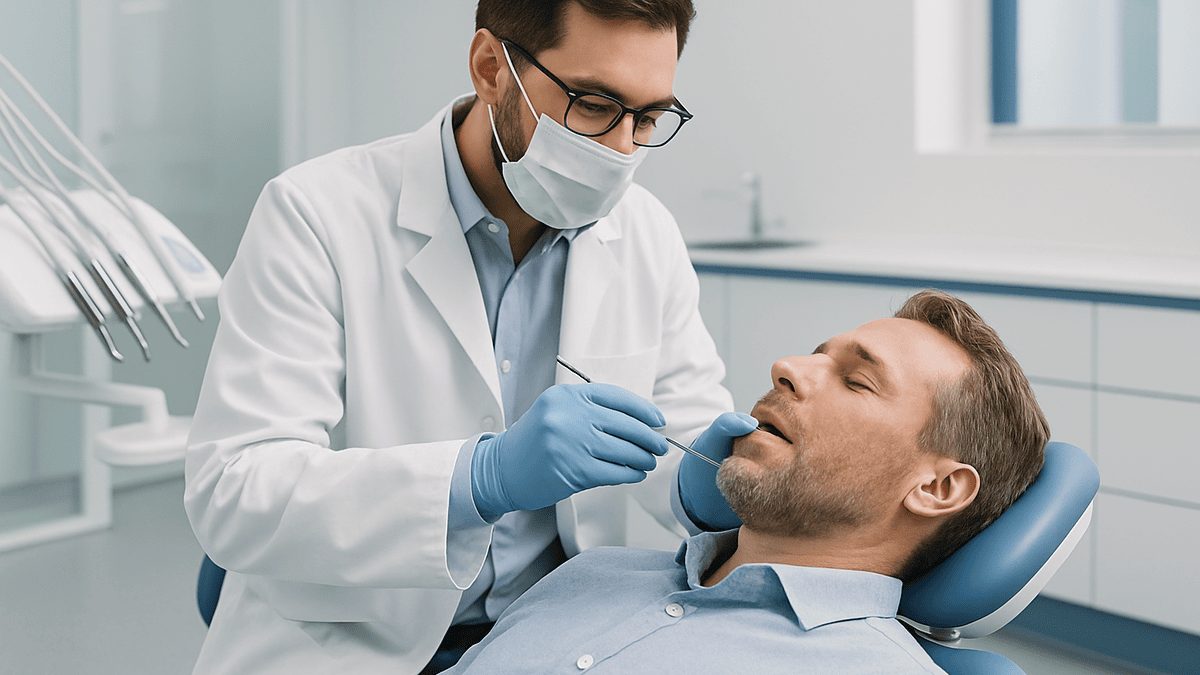
Over 25% of children develop cavities before they even reach kindergarten, and nearly half of adults over 30 show signs of gum disease. I genuinely do not know why we still treat oral health as an afterthought until a tooth aches. We schedule oil changes for our cars religiously, yet millions skip the six-month dental checkup that could prevent thousands of dollars in restorative work. Poor oral hygiene does not just ruin a smile; it is linked to heart disease, stroke, and diabetes complications. The dental industry is moving heavily away from reactive treatments—drilling and filling—toward aggressive, early prevention. This guide breaks down the specific daily habits, clinical treatments, and dietary adjustments families need to maintain long-lasting oral health. I will walk through the science of remineralization, the necessity of professional interventions, and the daily routines that actually make a difference.
Rethinking the Daily Routine
Most families brush their teeth, but the execution often falls short of what actually prevents decay. The American Dental Association found that twice-daily brushing with fluoride toothpaste significantly reduces the risk of caries, gingival recession, and periodontitis compared to brushing once a day.
Duration matters just as much as frequency. Brushing for a full two minutes removes significantly more plaque than stopping at the one-minute mark. I keep seeing patients rush through this, missing their back molars entirely. You can use a smartphone app or a powered toothbrush with a built-in timer to ensure you hit that two-minute mark.
The Mechanical Breakdown
- Angle the brush: Place the bristles at a 45-degree angle toward your gums to sweep away bacteria accumulating at the gum line. Use soft bristles, as hard bristles can damage the enamel and irritate the gums.
- Floss every single day: You cannot reach the spaces between your teeth with a toothbrush. Wrapping the floss in a C-shape around the tooth and using vertical strokes pulls out the biofilm that leads to interproximal cavities.
- Do not rely solely on water flossers: While water flossers clear out large food debris, they cannot remove the sticky biofilm from the enamel. You still need traditional string floss.
- Scrape your tongue: The tongue acts like a sponge for bacteria. Brushing it daily removes the microbes responsible for bad breath and oral disease.
- Swap the brush out: Toothbrushes harbor bacteria over time. You need to replace them every three to four months, or immediately if the bristles start fraying.
Clinical Interventions That Save Enamel
Daily brushing holds the line, but professional interventions push back against early decay. Routine X-rays allow clinicians to spot cavities forming between the teeth, dangerous abscesses, or hidden bone loss before any symptoms appear.
Fluoride does the heavy lifting here. It is a natural mineral that hardens tooth enamel and blocks the acid attacks that cause decay. High-concentration prescription fluoride arrests root caries significantly better than over-the-counter options. When clinicians catch decay early enough, a professional fluoride varnish can actually reverse the initial stages of a cavity. According to the best dentist in Knoxville, TN, catching decay in its earliest stages allows providers to remineralize the enamel before irreversible damage sets in. This shifts the entire focus from fixing broken teeth to keeping healthy teeth intact.
For children, dental sealants offer massive value. Sealants are thin restorative coatings painted directly onto the chewing surfaces of the back molars. These deep grooves are notorious traps for bacteria. By sealing them off, we eliminate the hiding spots where most childhood cavities begin. Dentists highly recommend these for anyone at a high risk of developing decay.
The Diet and Oral Microbiome Connection
We cannot talk about preventive dentistry without addressing what goes into the mouth. Sugary foods and acidic drinks feed the bacteria responsible for oral disease. These bacteria consume the sugar you eat and produce acid as a byproduct, which aggressively strips minerals from the teeth.
I often tell parents that the frequency of sugar consumption matters just as much as the quantity. Sipping a sugary sports drink or soda over three hours does far more damage than drinking it in ten minutes. The mouth is subjected to a continuous acid attack without enough time for your natural saliva to neutralize the pH level.
Dietary adjustments for stronger teeth:
- Hydrate constantly: Drinking water throughout the day washes away food particles and dilutes harmful acids.
- Use antibacterial mouthwash: An alcohol-free antibacterial rinse washes away debris and actively reduces plaque buildup without causing dry mouth.
- Balance your intake: A diet rich in essential vitamins, nutrients, and calcium gives your teeth the building blocks they need to stay dense and strong.
- Stop destructive habits: Chewing on ice, biting fingernails, or using your teeth as tools causes micro-fractures in the enamel that eventually lead to catastrophic tooth breakage. Tobacco use is an absolute dealbreaker for gum health, heavily driving the risk of periodontal disease and oral cancer.
The Reality of Early Screenings
There is something genuinely concerning about the rising rates of oral health complications among adults who simply skip their appointments. A standard six-month checkup is about much more than just scraping off calculus. During a routine exam, a dental professional actively screens for signs of cancer or precancerous lesions along the head, neck, jaws, and oral cavity. Catching these abnormalities early drastically increases the odds of successful treatment.
Patients who wait for pain to dictate their dental visits usually end up needing root canals, extractions, or implants. A proactive approach involves letting a professional look at the oral tissue while it is healthy, establishing a baseline. If you are prone to aggressive plaque buildup, have a history of periodontitis, or suffer from chronic health conditions, a six-month cleaning schedule might not even be enough. Some patients need professional cleanings every three or four months to keep the bacterial load low and prevent the gums from becoming permanently inflamed.
The math on preventive dentistry always works out in the patient's favor. Spending a few minutes a day with a toothbrush and string floss, combined with a commitment to professional exams twice a year, keeps you out of the surgical chair. We have the technology and knowledge to stop tooth decay before it breaks through the enamel, but it requires families to treat their oral health as a daily discipline rather than an occasional emergency. Better teeth mean fresher breath, a reduced risk of systemic health issues, and a much lower lifetime dental bill. The next time you find yourself tempted to skip the floss or delay a checkup, think about what is actually at stake. When was the last time your family had a comprehensive screening, and are you willing to risk waiting another year?