
Understanding the Fit and Function of a Compact Pistol Slide Upgrade
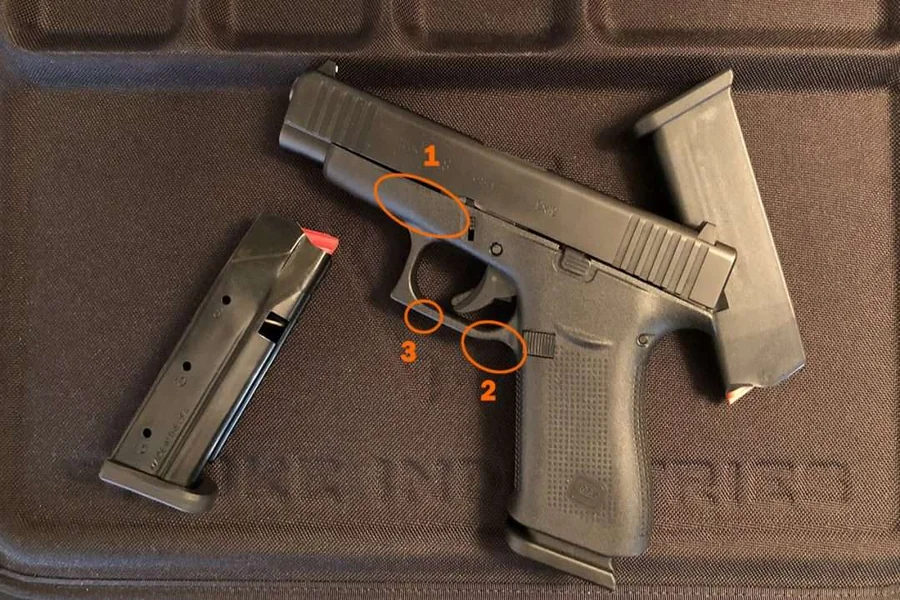
A compact pistol slide upgrade can affect how a handgun cycles, accepts sights, and accommodates a modern optic. Appearance and price here matter less than compatibility. The slide must work with the frame, barrel, recoil assembly, and sight system. Its machining, finish, and internal dimensions also influence reliability. A careful review before purchase helps prevent fitting problems while improving target visibility, handling, and long-term service life. This article explains the fit and function of a compact pistol slide upgrade.
Fit Comes First
A pistol slide must match the frame and barrel precisely enough to support a reliable operation. The breech face, extractor channel, firing-pin path, locking surfaces, and frame rails all need proper alignment. Buyers comparing glock 17 slides should check whether each option includes internal parts, accepts the intended optic pattern, and comes ready for sights. That information prevents confusion during assembly.
However, some movement between the frame and slide is normal. The action needs clearance for heat expansion, lubrication, and reliable travel. Excessive looseness can affect sight stability and cycling consistency, while an overly tight fit may create drag.
The replacement part must also maintain the correct relationship between the barrel hood, locking block, and slide rails. Those surfaces determine how the action unlocks, moves rearward, and returns to battery.
Features That Affect Use
External machining affects both handling and maintenance. Front and rear serrations give the user added control during press checks, chamber checks, and malfunction clearance. They should offer a secure grip without sharp edges that catch on equipment or cut the hand. Serration depth matters as well, since shallow cuts can become difficult to use with gloves or wet hands.
Porting and window cuts reduce slide weight, but they also expose more of the barrel to dust, residue, and moisture. A lighter slide may cycle differently, especially with reduced-power ammunition or a nonstandard recoil spring. Weight reduction should serve a practical purpose rather than exist solely for appearance. The slide’s mass should suit the chosen barrel, spring assembly, and ammunition.
Optic Cuts And Sight Height
An optics-ready slide requires more than just a matching footprint. The mounting cut, plate, optic, and screws must work as one system. Screws that extend too far may contact internal components. Screws with too little engagement can loosen during recoil. Proper torque, suitable thread treatment, and regular inspection help keep the optic secure after installation.
Iron sight height also deserves attention here. A deep optic cut may require taller backup sights to provide a usable sight picture through or beside the optic. The slide’s dovetail must match the selected sight dimensions. For a complete setup, check the optic cut, mounting plate, backup sights, and holster clearance together. Each part should support the others before live-fire testing begins.
Internal Parts And Assembly
Some replacement slides may arrive stripped. In that case, the owner must transfer or purchase the firing-pin assembly, extractor, back plate, sights, and related components. This approach can avoid unnecessary duplication, but it demands careful component selection. Internal parts must match the slide’s generation and dimensions. A small mismatch can lead to light strikes, extraction failures, or an inconsistent trigger reset.
Assembly should follow the specified order for each component. Lubrication points, screw torque, and spring placement also matter. A qualified armorer can check spring tension, extractor movement, firing-pin safety operation, and engagement surfaces. Those inspections provide more confidence than visual alignment alone. Controls should move freely, and the slide should return fully forward without unusual resistance.
Testing Before Carry
Testing should begin without ammunition. Check slide travel, magazine insertion, trigger reset, and manual cycling before moving to the range. Live-fire testing should use several magazines and approved loads. Different ammunition types can reveal problems that one load may not expose. Watch for failures to feed, extract, eject, or lock open.
Every malfunction deserves attention before defensive use. Possible causes include an unsuitable recoil spring, poor lubrication, loose optic hardware, damaged magazines, or incorrectly installed parts. A few successful cycles do not establish reliability. A practical test should include enough rounds to confirm repeatable operation under ordinary handling conditions.
Finish And Maintenance
The finish affects corrosion resistance, surface friction, and appearance. Protective coating helps, but it cannot replace cleaning and proper storage. After shooting, remove residue from the breech face, extractor area, rails, and optic cut. Too much lubricant can hold debris against contact surfaces, while too little may increase friction and wear.
Routine maintenance also creates a useful inspection point. Check screws, sight edges, rail contact marks, and locking surfaces for changes. Uneven wear may indicate poor fit or abnormal pressure. A basic record of ammunition, malfunctions, and service work can reveal patterns over time. That information helps determine whether the slide, recoil assembly, or optic needs adjustment.
Conclusion
A compact pistol slide upgrade should be assessed by compatibility, purpose, and proven function. Proper dimensions support reliable cycling, while suitable serrations, optic cuts, sights, weight, and finish improve practical handling. Stripped components require careful assembly and inspection, and range testing should come before carry use.
Treating the slide, frame, barrel, recoil system, and optic as one complete setup helps owners gain useful performance without creating avoidable mechanical or maintenance issues.