
Understanding the Timeline for Achieving Lifeguard Certification

Embarking on the journey to become a certified lifeguard is an exciting venture, filled with opportunities to acquire life-saving skills and ensure the safety of others. However, those interested in this noble path often wonder “how long to get lifeguard certification” to get started. Understanding the timeline can help aspiring lifeguards plan and prepare accordingly.
Prerequisites for Lifeguard Certification
Before delving into the duration of the certification process, it is crucial to acknowledge the initial prerequisites. Prospective lifeguards typically need to meet a minimum age requirement, often set at 16 years, and pass initial swimming tests. These tests, designed to assess basic swimming competency, usually involve timed swims and various swimming strokes.
Duration of the Lifeguard Training Course
Lifeguard training courses generally run for a specific number of hours, often spread over multiple days. Most comprehensive lifeguard training programmes require between 20 and 30 hours of commitment. This time is typically divided into both theoretical instruction and practical skill sessions.
Sessions often run over weekend blocks, which can span two to three weekends depending on the course structure and the provider’s schedule. This setup allows for flexibility, enabling participants to manage their commitments effectively while gaining the essential knowledge and skills required for lifeguard duties.
Learning the Essential Skills
During the training phase, aspiring lifeguards will cover a broad range of critical topics. The curriculum is meticulously crafted to ensure that they are well-prepared to handle emergencies. The core components include:
Resuscitation and First Aid
Lifeguards are expected to be proficient in both resuscitation techniques and basic first aid. The training encompasses cardiopulmonary resuscitation (CPR) for adults, children, and infants, alongside the use of automated external defibrillators (AEDs). Additionally, participants learn first aid responses to common situations like cuts, bruises, and fractures. Before enrolling, compare recognised providers offering a first aid course Singapore to strengthen emergency response skills.
Water Rescue Techniques
A significant portion of the training focuses on water rescue techniques. Trainees practise various rescue approaches, including the use of rescue devices like torpedo buoys and spinal boards. These skills are vital in saving individuals from different aquatic scenarios, such as drowning or sustaining neck injuries.
Surveillance and Prevention
Effective surveillance is crucial in preventing incidents before they occur. The lifeguard training delves into vigilance techniques, ensuring participants can effectively monitor the pool or beach environment. Awareness of potential hazards and the ability to implement prevention strategies form a core part of this training.
Assessment and Certification
The culmination of the training period is the assessment phase, where candidates must demonstrate proficiency in all the learned skills. The assessment typically includes both theoretical exams and practical skill demonstrations. Trainees are evaluated on their ability to perform rescues, administer first aid, and maintain vigil over aquatic environments.
Passing these assessments leads to the receipt of a lifeguard certification, which is a testament to the individual’s readiness to assume the responsibilities of ensuring water safety. Certification is often valid for two years, after which recertification is required, often involving a refresher course and subsequent evaluation.
Ongoing Commitment to Safety
Achieving certification marks the beginning of a lifeguard’s role rather than the endpoint. Active lifeguards are encouraged to engage in regular practice and refresh their skills to maintain high competence levels. Continuous learning is vital in keeping up with the latest advancements in safety protocols and rescue techniques. Regular participation in workshops and advanced clinics can enhance a lifeguard’s ability to perform their role with utmost diligence.
Additional Considerations
It is essential to consider that the timeline may vary slightly depending on the specific programme or location and how quickly the individual masters the requisite skills. Flexibility in course scheduling can also influence the duration; for example, full-time intensive courses might offer a quicker path than part-time options spread over several weeks.
For detailed guidance on the specifics of “how long to get lifeguard certification”, consider consulting resources or reaching out to programme providers that outline these requirements comprehensively. Understanding the investment required in terms of time and effort is fundamental to making an informed decision and successfully entering the field of lifeguarding.
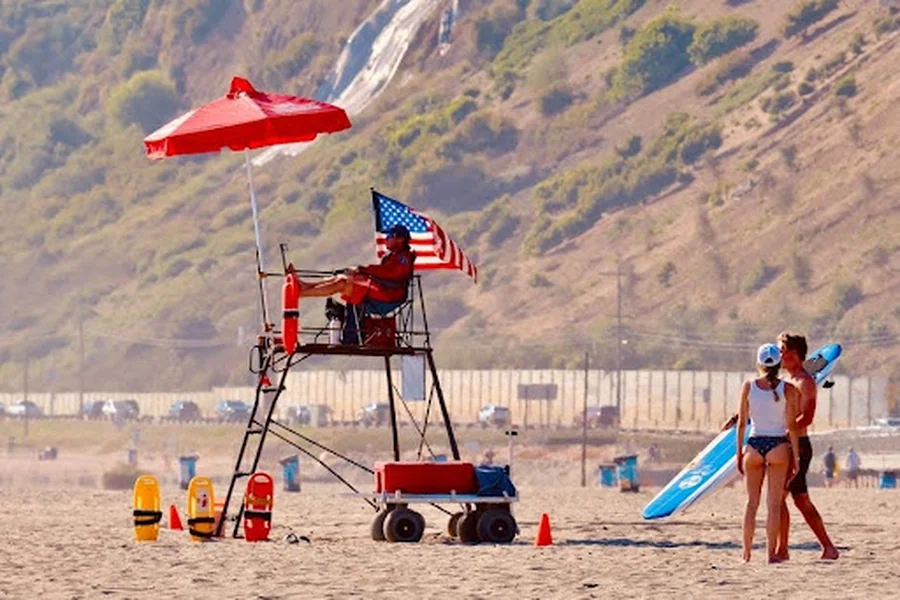
Integrating this knowledge with a robust commitment to the role will ensure that you are prepared to uphold the standards of aquatic safety and be ready to respond effectively in any water-related emergency.
Another factor that can influence the overall timeline is the availability of course slots and seasonal demand. During peak periods, such as the months leading up to summer, lifeguard training programmes often fill quickly, which may delay enrolment if not planned. Booking early and staying flexible with training dates can help avoid unnecessary waiting times. Additionally, some providers offer accelerated courses during off-peak seasons, allowing candidates to complete their certification more efficiently while still meeting all required standards.
Conclusion
In conclusion, understanding how long it takes to obtain a lifeguard certification allows aspiring candidates to plan their journey with clarity and confidence. While the process can typically be completed within a few weeks, it requires dedication, consistent practice, and a commitment to mastering both theoretical knowledge and practical skills. By investing the necessary time and effort, individuals not only achieve certification but also prepare themselves for a vital role in protecting lives and maintaining safety in aquatic environments.