
What Ongoing Teeth Grinding Can Reveal About Stress and Overall Well-being
Out of all the possible diagnoses you could receive from your dentist or doctor, “teeth grinding” is likely the least of your worries. This condition, called bruxism, might seem relatively harmless, but when it’s ongoing, it’s actually a sign that there’s something serious going on under the surface.
Teeth grinding isn’t a primary diagnosis. It’s a symptom that says the main culprit hasn’t been caught yet. In this guide, we’ll explain what ongoing bruxism reveals about your stress levels, habits, and overall well-being.
How Bruxism Shows Up
We don’t normally grind our teeth, so when you start to develop this habit, it’s important to pay attention. Bruxism is the term used to refer to subconscious teeth grinding and jaw clenching. It usually happens when you’re asleep, but there are awake bruxers, too.
Some people grind so mildly that they don’t know they’re doing it. They have no major side effects until the dentist points out the damage to their enamel, like flattened teeth.
Other bruxers notice the side effects, such as morning headaches, sore neck and facial muscles, and tiredness, no matter how much sleep they get. By the time they pinpoint bruxism as the cause, the symptoms have become obvious and unignorable (as explained in this article by JS Dental Lab).
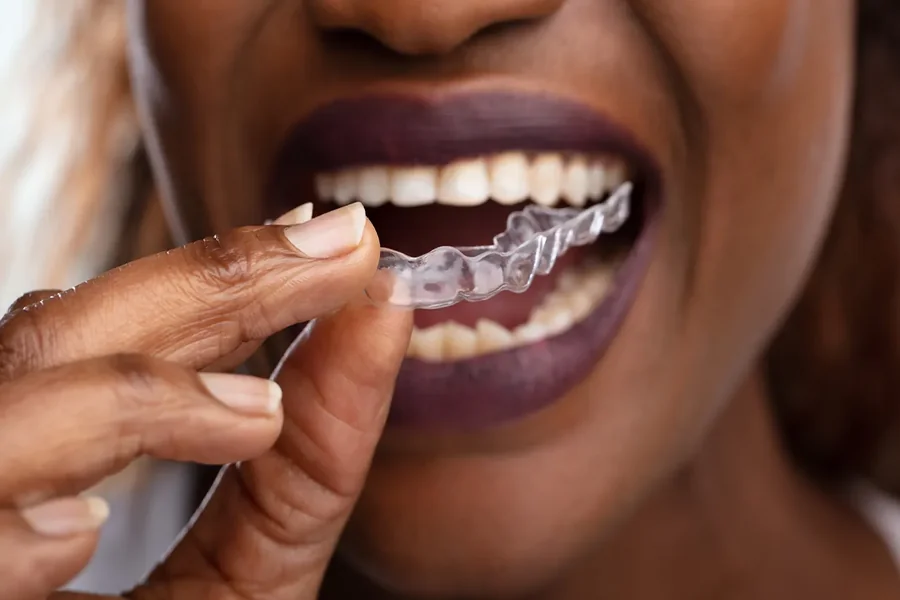
While solutions like night guards can minimize the damage of bruxism on your teeth, the only way to stop grinding and clenching is to find out what’s causing the actions.
What Causes Bruxism
Research shows that bruxism affects over 22% of the global population. Because so many people have this condition, treatments for sleep bruxism have become a massive industry. Although people have suffered from teeth grinding symptoms for thousands of years, why is it such a big deal recently?
Stress and Grinding
One answer is due to the increase in stress and anxiety, and the link between these conditions and grinding. Feelings of overwhelm, depression, anxiety, and increased stress make you more at risk of grinding. Since the COVID-19 pandemic, rising levels of stress correlate with higher bruxism diagnoses worldwide.
Habits and Bruxism
Another cause of bruxism is lifestyle habits. If you drink alcohol, smoke (including vaping), or consume large amounts of caffeine, you’re twice as likely to develop bruxism. With a rise in coffee shops catering to your grande mocha latte addiction, it’s easy to drink more caffeine than your body can get rid of before bedtime. Even if you fall asleep easily, those stimulants are still released, leading to grinding.
Other Causes of Grinding
Grinding is also related to taking certain medications, such as selective serotonin reuptake inhibitors (SSRIs), often prescribed for anxiety or ADHD. Having sleep apnea can also increase your risk of developing bruxism.
Other causes include a genetic or family history of grinding, having TMJ (temporomandibular joint disorder), and, in more recent studies, having a high usage of screen time (particularly in children).
What Your Grinding is Telling You About Your Health
Once you narrow down the cause of your grinding, it can give you a clear insight into what’s going on in your mind and body — if you pay attention to the clues.
Stress and Anxiety-Fueled Bruxism
When your nervous system is on high alert much of the day due to stress, anxiety, and other mental health triggers, even sleep doesn’t give your fight-or-flight systems a rest.
Your grinding may be telling you that you’re on chronic stress overload, are trying to recover from something stressful, or your body may need help winding down and relaxing. Cognitive behavior therapy (CBT) and stress management techniques could be your next step.
Lifestyle Habits in Need of Change
Is your favorite habit causing you to grind your teeth? It may be that your body is overstimulated by these substances and is struggling to regulate itself during sleep.
Try to cut back on your usage or quit entirely, and work with your doctor to find ways to gain deep, restorative sleep. In the meantime, invest in a night guard to help reduce the damage of bruxism on your health.
Health-Related Bruxism
If you’re on medication that you need to take, but a side effect is bruxism, talk to your doctor about treatment options. Prescriptions like SSRIs affect serotonin and dopamine, which impact your muscle activity during sleep. Never change medications without professional guidance.
Sleep apnea and bruxism are often interlinked, as are bruxing and TMJ disorders. If you’re not seeking treatment for either of these conditions, get help right away. Sleep apnea means you’re not breathing consistently in your sleep, getting poor oxygen flow, putting you at high risk of cardiovascular issues and other serious health conditions. TMJ disorders can become painful, and a specialist can guide you to the right treatment.
Some causes of bruxism are linked with poor sleep hygiene. Monitor your screen usage throughout the day. Current studies show that 3 or more hours of screen time increases your risk of bruxism, leaving you overstimulated and unable to fully relax.
This dentist who does quality veneers in Ballwin adds that addressing these underlying medical and behavioral triggers early is essential to protecting your long-term oral health. Uncontrolled nocturnal grinding can lead to fractured teeth, worn enamel, and chronic jaw fatigue, complicating your overall recovery.
Conclusion
Figuring out what’s behind your teeth grinding can reveal important insights about your health and overall well-being. In some cases, it may point to simple lifestyle adjustments. In others, more serious issues, like deeper stress or an underlying health condition, need to be addressed.
Bruxism and its side effects can be frustrating, but they can also be an early warning sign. Paying attention to the signals they reveal lets you address the root cause, and gives you the opportunity to boost your overall wellness — both physically and mentally.