
What Size Portable Power Station Do You Really Need?
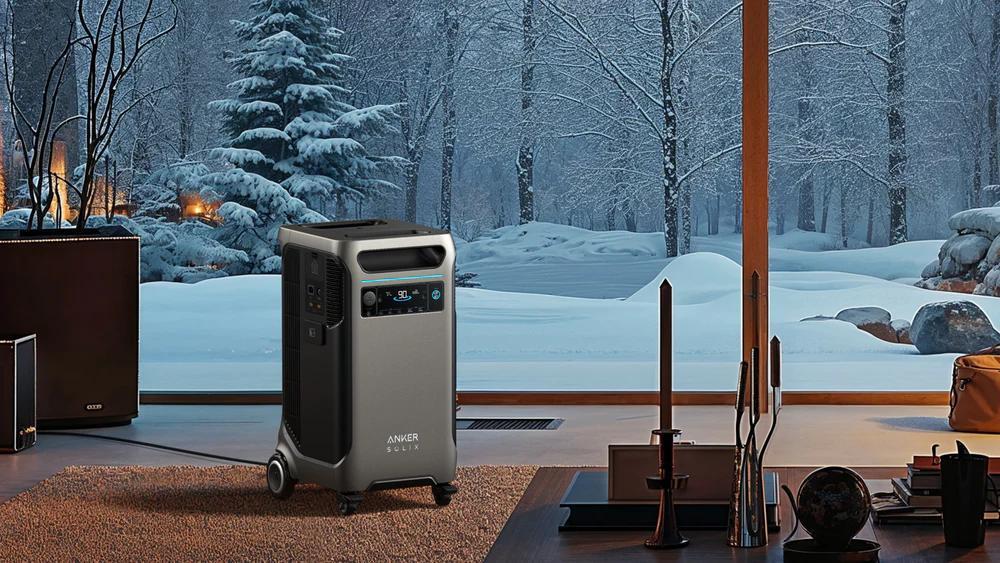
Portable power stations now fill the gap between small power banks and bulky gas generators. They keep phones, laptops, fridges, and even power tools running when you’re off-grid or the lights go out. But picking the right size often feels confusing. Some users buy a tiny unit that only charges a phone twice. Others overspend on a massive station they never fully use.This guide breaks the process into clear steps. You will see how watt-hours and output ratings work, how to list your devices, and how to estimate runtime. Then you can match your needs to a realistic size for daily use, camping, RV travel, or home backup. Use it as a simple checklist before you buy.
Understanding Portable Power Station Size
What Watt-Hours and Output Ratings Mean
Portable power station size usually appears in watt-hours (Wh). Watt-hours show how much energy the battery can store. For example, a 500Wh station can, in theory, run a 50W device for about 10 hours. Higher Wh means longer runtime or the ability to support more devices at once. If you're shopping for backup power, especially during Prime Day savings on portable power stations, understanding battery capacity can help you choose the right model for your needs.You will also see continuous and surge output ratings, listed in watts (W). Continuous output is the power the station can deliver non-stop. Surge (or peak) output covers short spikes, like when a fridge compressor starts. AC outlets, USB ports, and DC ports may each have their own limits. To avoid overloads, your devices’ combined draw should stay below the continuous output rating. Knowing these specifications is particularly useful when comparing options available through Prime Day savings on portable power stations, as different models offer varying power capacities and output levels.
Why Size Matters for Different Applications
A power station that feels huge for a smartphone may be tiny for a mini fridge. Size matters because each use case demands different output and runtime. Daily carry units focus on USB charging and light AC use. Weekend camping often needs more Wh to run lights, camera batteries, and maybe an electric cooler.RV travelers must support larger draws like microwaves, coffee makers, and CPAP machines. Home backup demands both high capacity and strong inverters to cover fridges, routers, and essential medical devices. If you undersize, you face short runtimes, tripped inverters, and frustration. If you oversize, you spend more than necessary and carry extra weight. Matching size to the job keeps costs and expectations in balance.
How to Calculate Your Power Needs
List the Devices You Want to Power
Start with a simple written list of everything you expect the power station to run. Separate items into “must-have” and “nice-to-have.” Must-have devices might include a phone, laptop, Wi-Fi router, CPAP machine, or fridge. Nice-to-have items can be speakers, projectors, fans, or small kitchen appliances.Check each device’s power rating. You can usually find watts (W) on the label, charger, or in the manual. If you only see volts (V) and amps (A), multiply them (V × A) to get watts. Note both the number of devices and how many you may use at the same time. This list lets you see total power draw and helps you decide if you need high AC output, many USB ports, or both.
Estimate Runtime and Energy Consumption
Once you know the wattage of each device, estimate how long you plan to run it per day. Multiply watts by hours to get watt-hours (Wh). For example, a 60W laptop used for 5 hours needs about 300Wh per day. A 10W light used for 4 hours needs 40Wh. Add up all the devices to find your daily energy need.Next, compare that total to the station’s battery size. Remember to factor in efficiency losses; many users assume they can use about 80–85% of the rated capacity. Also think about how many days you may go between charges or solar input. If you want one full day of autonomy, pick a station that meets or slightly exceeds your calculated daily Wh.
Choosing the Right Portable Power Station for Your Situation
Small Units for Daily Use and Short Trips
Small portable power stations usually range from about 150Wh to 500Wh with 150–300W inverters. They suit users who mainly need to charge phones, tablets, cameras, drones, and sometimes a laptop. Their compact size and lower weight make them easier to carry to work, school, or a café, and they fit well in a car trunk for quick weekend trips.These units often include multiple USB-A, USB-C, and a few AC outlets, enough for small electronics and LED lights. They can power a router or modem during short outages and keep communication running. However, they struggle with higher-draw appliances such as kettles, hair dryers, or full-size fridges. Choose a small unit if portability and convenience matter more than long runtimes, and if your gear stays under the inverter’s continuous watt rating.
Larger Units for Camping, RVs, and Home Backup
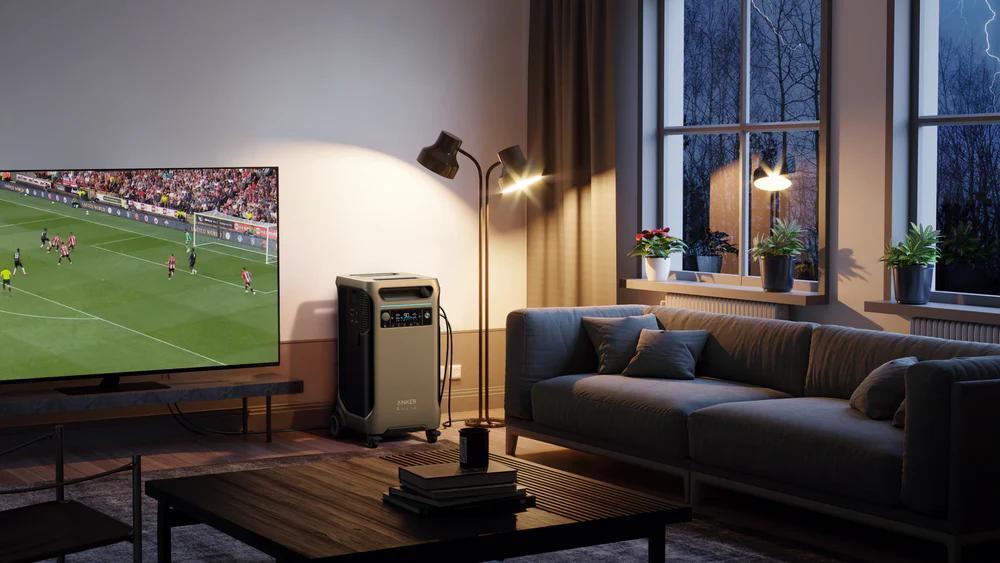
Larger power stations typically start around 500Wh and can exceed 3,000Wh, with inverters rated from 500W to well over 2,000W. For camping, a 500–1,000Wh unit can handle lights, phones, cameras, fans, and small coolers for a couple of days, especially if you pair it with solar panels.RV users often look at 1,000–2,000Wh models with strong inverters to support fridges, microwaves, coffee makers, induction cooktops, and CPAP machines. For home backup, many owners choose 1,500Wh or larger systems to run a refrigerator, router, phones, and some lights for several hours to a day. Expandable systems let you add extra batteries later. Focus on both capacity and surge handling, and check the number and type of outlets. The right size ensures comfort without overloading the system.
Conclusion
Sizing a portable power station becomes much easier when you follow a clear process. First, list all devices you want to run and mark which ones are essential. Next, check their watt ratings and estimate daily runtime so you can calculate total watt-hours. Then match those needs with a station that offers enough capacity and continuous output, while leaving some safety margin.Small units work for everyday electronics and short trips. Larger models better serve campers, RV travelers, and homeowners who want backup for fridges and critical devices. By balancing capacity, output, weight, and budget, you avoid buying too little or too much. Use this guide as a reference whenever you plan your next power station purchase.