
When Rental Storage Makes Sense During Major Transitions
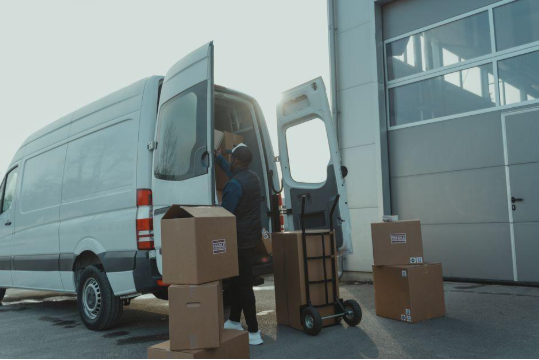
Life gets messy when plans shift. One week, you’re packing for a move, clearing a spare room, or juggling extra business supplies. Next week, your hallway looks like a cardboard jungle. That’s when temporary storage starts to feel less like a luxury and more like a sanity saver. If you want a simple way to protect your stuff, free up space, and keep daily life moving, it helps to know when renting storage actually makes sense and how to use it well.
Why Temporary Storage Helps
When your home or business is in the middle of a change, space disappears fast. A remodel can swallow your living room. A move can turn every corner into a pile of boxes. Even a small business can run out of room when inventory starts multiplying like rabbits.
That’s where a storage container for rent can be a practical fix. You get extra space without having to make big decisions too quickly. Instead of cramming furniture into the garage or stacking supplies in unsafe corners, you can keep things contained, protected, and easier to reach.
This kind of setup is especially helpful because it gives you breathing room. You can sort through belongings at your own pace. You can keep work materials out of the way but still nearby. And you don’t have to play the old game of “Which box has the coffee maker?” before 7 a.m. That alone can feel like a win.
Best Times To Rent
Some moments in life almost beg for extra storage. Moving is the obvious one, especially if your move-out and move-in dates don’t line up. Instead of rushing, you can keep your belongings in one place while you sort out the timing.
Home renovations are another big reason. Dust gets everywhere, and furniture has a talent for being exactly where workers need to stand. Storing items during the project helps protect them and gives everyone more room to work.
It also makes sense for smaller business needs. If you sell products, manage event supplies, or handle seasonal stock, temporary storage can help during your busy months. The same goes for staging a home before selling. Clearing out extra furniture and personal items can make a space feel larger and cleaner.
Even college breaks, temporary job assignments, or combining households can create short-term storage headaches. You may not need a permanent solution. You may just need a little extra elbow room while life stops doing somersaults.
What To Store Inside
Most people use temporary storage for everyday things that take up a lot of space but don’t need to sit in the middle of the room. Furniture is a common choice, especially couches, tables, chairs, and bedroom sets, during a move or remodel.
Business owners often store tools, signs, supplies, extra inventory, and boxed documents. Families may use storage for holiday decorations, sports gear, baby items, or things they’re keeping during a downsizing phase. If it’s useful, takes up space, and doesn’t need daily handling, it’s probably a good candidate.
A little common sense matters here. Fragile items should be packed well. Valuable papers should be sealed and labeled. Electronics should be protected from bumps and moisture. You’ll also want to avoid storing anything unsafe, perishable, or prohibited by the provider.
The easiest rule is this: store what you want to keep safe, dry, and out of your way. If an item would suffer from being tossed in a hot shed with a rake and old paint cans, give it better treatment.
How To Stay Organized
A storage container can save your day, but only if you can actually find your stuff later. That starts with labeling every box clearly. “Kitchen” is okay. “Coffee Mugs and Toaster” is much better when you’re hunting for breakfast supplies.
Try grouping items by room, season, or purpose. Keep things you’ll need soon near the front. That might include paperwork, cleaning supplies, work tools, or a few favorite household basics. Heavy boxes should go on the bottom, lighter ones on top, and fragile items should stay protected with padding.
Leave yourself a narrow walking path if possible. It sounds simple, but that little aisle can save you from climbing over boxes like you’re training for a mountain expedition. You’ll also want to keep an inventory list on your phone or in a notebook.
A quick photo of the container after packing can help too. It gives you a visual reminder of where major items are placed. Future you will be grateful, and a little less dramatic, when it’s time to unpack.
Choosing The Right Size
Picking the right size is easier when you think in everyday examples. If you just need to clear a bedroom, store college items, or hold a few business supplies, a smaller option may do the job just fine.
A medium-sized container works well when you’re storing furniture from several rooms, renovation items, or a mix of household and work-related belongings. This is often the sweet spot for people in transition because it gives you flexibility without paying for a giant empty box.
Larger storage makes more sense when you’re moving an entire home, handling bulky equipment, or managing business inventory in bigger quantities. If you’re between sizes, it can be smarter to go a little larger rather than overpack. Stuff packed too tightly is harder to access and easier to damage.
Think less about square footage and more about your actual pile of things. Count major furniture pieces. Estimate the number of boxes. Ask yourself whether you’ll need easy access during the rental period. If the answer is yes, don’t pack it like a game of storage Tetris.
Making It Worth The Cost
The cheapest option is not always the best value. If your belongings end up damaged, hard to access, or badly packed, a low price can become expensive pretty quickly. Good storage should make your life easier, not create a sequel to the same problem.
Think about what you’re really paying for. Convenience matters. So does timing. If storage helps you avoid rushing a move, damaging furniture during a remodel, or losing sales because inventory is stacked in the wrong place, it’s doing real work for you.
You can also save money by planning ahead. Rent only for the period you actually need. Pack efficiently so you use the space well. Keep your most-used items accessible so you don’t waste time unloading half the container to grab one box of files or a lamp.
When storage matches your situation, it can reduce stress, protect your belongings, and keep projects moving. That’s a pretty solid return. Sometimes buying yourself space is really buying yourself peace and quiet, and that’s hard to put a price on.