
How Growing Businesses Handle Space Without Disruption
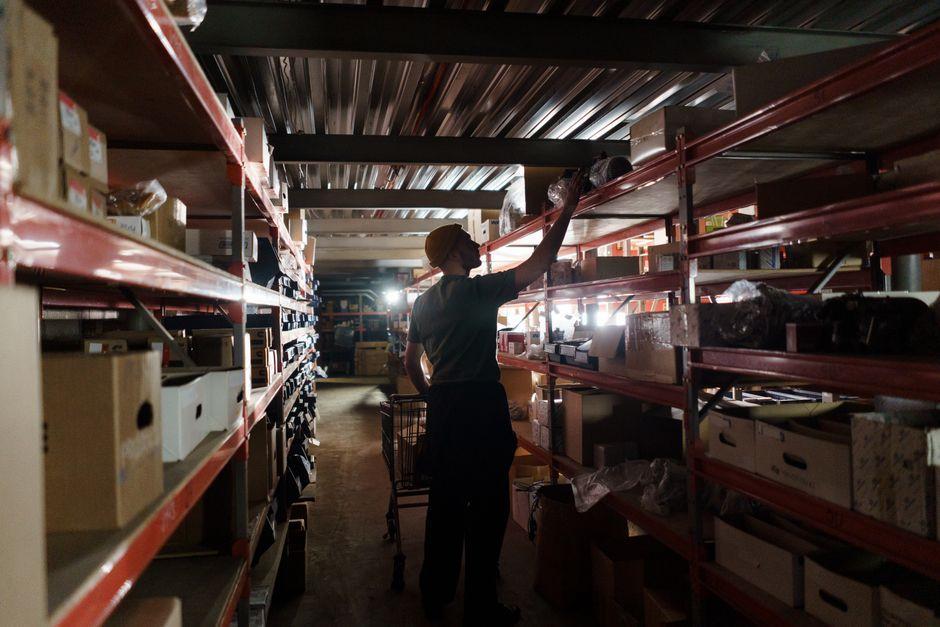
Running out of room can slow your business down faster than most owners expect. One week, everything feels manageable. The next, extra stock, tools, and supplies start taking over walkways, back rooms, and work areas. That kind of squeeze can affect safety, staff efficiency, and even customer experience. If you want growth without chaos, it helps to look at space as part of your daily business strategy, not just a background problem you’ll deal with later.
When Space Runs Out
A crowded site creates problems that show up quickly. A container may become necessary when inventory is stacked in the wrong places, equipment is hard to reach, or staff lose time moving things around just to do basic tasks. Once that happens, mistakes increase, materials get damaged, and the workday becomes harder than it needs to be.
One practical answer is to start by searching for a storage container for rent if your business needs secure extra room without committing to a permanent expansion. That option can help you separate active work areas from overflow items, reduce clutter, and keep operations moving. It also gives you flexibility during renovations, busy seasons, and special projects. If your current setup is causing delays or safety concerns, solving the space issue early can protect both productivity and peace of mind.
Know Your Real Needs
Before you make any decision, take a close look at what is actually causing the pressure. Sometimes the issue is steady business growth. Other times, it comes from a temporary spike, a renovation, or a project that needs extra equipment on-site for a few months.
Start by asking a few simple questions:
- What items are taking up the most room?
- How often do you need to access them?
- Is this a short-term issue or a long-term pattern?
- Do you need room for stock, tools, records, or supplies?
This step matters because not every business has the same rhythm. A retail shop may need more space before the holidays. A contractor may need it during a multi-month job. A growing office may need breathing room during a move. When you know what is driving the issue, you can make a smarter plan instead of reacting in a rush.
Plan Around Daily Work
Extra room only helps if it fits into your routine. If your staff has to walk farther, work around blocked paths, or waste time finding basic items, the fix may create a new problem. That’s why layout and access deserve real attention.
Think about where people move during a normal day. Watch delivery paths, employee entrances, loading areas, and customer-facing zones. Keep high-use items closest to the people who need them. Put less-used materials in a separate area so they don’t interfere with daily work.
It also helps to assign responsibility. One person should know what goes where, who can access certain items, and how the area stays organized. Without that, even a smart setup can drift into confusion. The goal is simple: support the work your team already does instead of forcing everyone to adapt to a messy arrangement.
Protect What Matters
When businesses feel crowded, things often get misplaced before they get stolen or damaged. A missing tool, mixed-up shipment, or soaked box can cost more than people expect. Protection starts with basic organization, not expensive systems.
Group similar items together. Keep seasonal stock separate from everyday materials. Label shelves, bins, or zones in a way your whole team understands. If some items are valuable or sensitive, limit who can access them and make that rule clear.
Weather protection matters too. Paper records, electronics, packaged goods, and job materials all need the right conditions to stay usable. It’s also smart to create a simple tracking method. That can be a spreadsheet, a checklist, or a basic digital log. You do not need anything fancy. You just need a reliable way to know what you have, where it is, and when it moves.
Keep Costs Predictable
Space problems often lead to hidden costs. Staff spend more time searching for things. Products get damaged. Deliveries take longer to unload. Sales opportunities may even slip away if stock is hard to manage. Those losses add up quietly.
A more thoughtful plan helps you see the full picture. Instead of focusing only on the monthly price, consider the costs tied to delay, confusion, and waste. If your need is short-term, avoid overcommitting. If the issue keeps returning, it may make sense to choose a longer arrangement with more stability.
You should also think about labor. If a better setup saves your team hours each week, that matters. If it lowers breakage or helps you serve customers faster, that matters too. Good planning is not just about finding more room. It is about making your operation more predictable, which usually means more profitable as well.
Make Growth Less Stressful
Growth sounds exciting, but it often creates pressure before it creates comfort. More orders, more staff, and more materials can strain a business that was built for a smaller workload. If you wait until every corner feels packed, your options tend to get rushed and expensive.
A flexible plan gives you room to adjust without losing momentum. That can help during a busy season, a temporary expansion, an office move, or a renovation that disrupts your normal setup. It can also buy you time to make better long-term decisions instead of reacting under stress.
The strongest businesses usually treat space like any other resource. They review it, adjust it, and plan for change before problems pile up. If your workplace is starting to feel tighter than it should, taking action now can make your next stage of growth steadier, cleaner, and easier to manage.