
Why Multi Use Backyards Are Becoming the New Family Hangout Space
Backyards are no longer being treated as leftover outdoor areas that only get used a few times a year. Families are increasingly reimagining them as everyday extensions of the home, designed for connection, movement, and relaxation in one place. As more homeowners look for ways to make outdoor space practical and enjoyable, features such as lounge zones, dining areas, and pickleball court development services are becoming part of a larger strategy to create a backyard that supports recreation and regular family use rather than occasional entertaining alone.
The Backyard Has Become an Extension of Daily Life
For many households, the backyard now functions as a second living room, a casual dining area, and a place to unwind after the workday. Instead of separating indoor comfort from outdoor space, families are looking for ways to blend the two so that stepping outside feels like a natural continuation of everyday life. This shift has changed the way people think about patios, lawns, and even side yards, turning them into opportunities for more purposeful design.
That change is partly driven by lifestyle habits that place a higher value on time at home. Parents want spaces where children can play without needing a full outing, and adults want an environment where they can relax, exercise, or host friends without leaving the house. A backyard that supports several of these needs at once becomes more than a visual feature; it becomes one of the most useful parts of the property.
Families Want Spaces That Serve More Than One Purpose
Single-purpose yards often leave large sections of outdoor space underused. A wide lawn may look appealing, but if it does not support dining, gathering, recreation, or comfort, it can quickly become a maintenance obligation rather than a meaningful asset. Multi-use backyards solve that problem by dividing the space into zones that each serve a practical function while still feeling cohesive.
One area might include a shaded seating section for quiet evenings, while another is designed for outdoor meals or weekend gatherings. A separate portion can be dedicated to active recreation, giving children and adults a reason to use the yard more often. When each part of the space has a role, the backyard becomes a place where different family members can enjoy different activities at the same time without feeling crowded or disconnected.
Recreation Is Now a Key Part of Outdoor Design
One of the biggest changes in backyard planning is the growing emphasis on recreation. Homeowners are no longer focused only on landscaping and curb appeal; they also want spaces that encourage movement, play, and regular use. This is why putting greens, open turf areas, and home sport courts have become increasingly common in modern outdoor design.
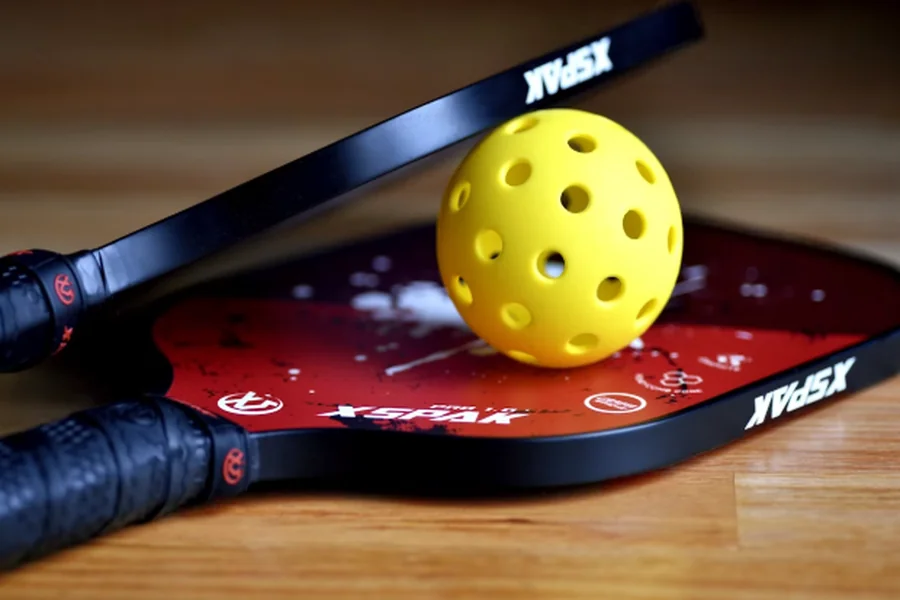
Pickleball in particular has played a major role in this shift because it appeals to a wide range of ages and skill levels. It offers a social activity that feels less formal than some traditional sports while still encouraging exercise and friendly competition. Adding a dedicated recreation feature like a court can transform the backyard from a place that looks nice into a place that naturally brings family members together throughout the week.
Multi-Use Layouts Make Entertaining Easier
A backyard that supports several activities at once is also far more effective for hosting. Guests are more likely to spread out and stay longer when the space offers more than a single patio table or a small patch of lawn. Some people may gather around a fire feature, others may sit under a pergola, and a few may head toward a recreation area for a game, which creates a more dynamic and welcoming atmosphere.
This flexibility matters because entertaining styles have changed. Homeowners increasingly want casual, interactive spaces that allow guests to move between conversation, food, and activity without feeling confined to one setup. A multi-use backyard supports that flow naturally, making the space feel more relaxed and more memorable for both family and visitors.
Parents Value Spaces That Pull Kids Outside
Many families are also motivated by a simple goal: getting children away from screens and into the fresh air. A backyard that includes room for active play, casual games, and family interaction gives kids a reason to spend more time outside without needing a special event to make it happen. That consistency is often more valuable than a once-a-month outing because it makes outdoor time part of the family routine.
The benefit extends beyond children. When parents have a comfortable place to sit nearby, an outdoor kitchen for easy meals, or a recreational feature they can enjoy themselves, they are more likely to participate rather than supervise from indoors. The backyard becomes a shared environment rather than a designated play zone, which strengthens its role as a true family hangout space.
Practical Design Matters as Much as Style
The success of a multi-use backyard depends on thoughtful planning, not just attractive materials. Layout, traffic flow, shade, storage, lighting, and surface choices all influence whether the space feels intuitive and comfortable to use. A beautiful yard can still feel awkward if active zones are too close to dining areas or if there is no clear transition between relaxation and recreation.
That is why professional design has become more important in outdoor projects that combine multiple uses. Families want a space that looks polished, but they also need one that works for real life, including busy schedules, changing seasons, and different age groups. When the design is handled well, the result is a backyard that feels balanced, inviting, and durable enough to support everyday family habits.
Conclusion
Multi-use backyards are becoming the new family hangout space because they reflect how people actually want to live at home. Instead of separating relaxation, recreation, and entertaining into different places, families are bringing those experiences together in one outdoor setting that can adapt to daily life. By combining comfort, flexibility, and activity in a single design, the modern backyard is evolving from a decorative extra into one of the most valuable and most frequently used spaces on the property.