
Why Professional Asbestos Removalists Are Essential for Commercial Properties in Australia
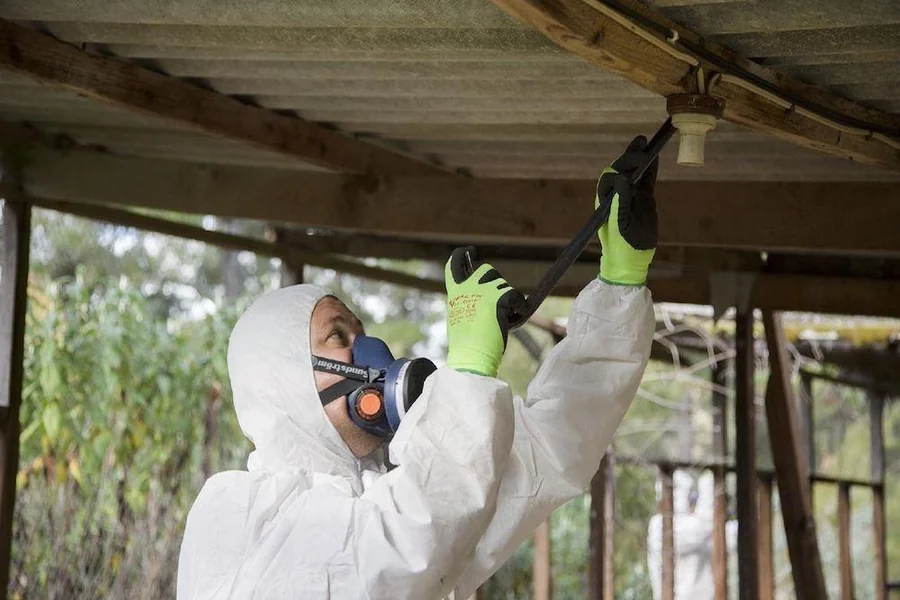
Australia banned asbestos at the end of 2003. That didn’t make it disappear.
If you own or manage an office, warehouse, school, shop or factory built before then, there’s a fair chance some of it is still in the building. You’ll usually find it in places like:
- Ceiling tiles and old vinyl floors
- Switchboards and pipe lagging
- Eaves and fibro cement sheeting on outside walls
- Corrugated roofs on older sheds and factories
Most of the time it just sits there. Problems start when someone cuts into it during a fitout, drills a hole for new cabling, or a hailstorm cracks the roof.
At that point, commercial asbestos removal is a job for licensed professionals, not the maintenance team.
Why are commercial sites riskier?
Think about who walks through a commercial building on a normal Monday. Staff, tenants, customers, cleaners, couriers. A home renovation might affect one family. In an office block or shopping strip, it could be far more.
Fibres also travel. Once they’re released, they can drift through ceiling cavities and get pulled into the air conditioning, ending up well away from where the work started.
And the jobs are rarely simple. There’s often more asbestos than in a house, and it tends to be in awkward spots: high ceilings, roof spaces, cramped plant rooms. Older services can have asbestos lagging or gaskets nobody has looked at in decades. Meanwhile, the business still needs to trade.
A good asbestos removalist works all of that out before anyone starts. Where does the area get sealed off? How are fibres kept down? Which parts of the building can stay open?
Who is responsible for asbestos in a commercial building?
This is the bit a lot of owners don’t realise. The legal duty doesn’t sit only with the contractor. It sits with you, too.
In most states and territories, Work Health and Safety (WHS) laws place duties on whoever manages or controls the workplace. Victoria has its own Occupational Health and Safety (OHS) laws with similar obligations.
If the building went up before 31 December 2003, you’ll generally need to:
- Identify any asbestos, or assume it’s there
- Keep an up to date asbestos register
- Have an asbestos management plan if asbestos is found
- Use a licensed removalist when the work requires a licence
What licence does an asbestos removalist need?
That depends on what’s being removed.
Friable asbestos, the crumbly kind, can only be removed by a Class A licence holder. Non friable (bonded) asbestos, like cement sheeting, needs at least a Class B licence once it’s over 10 square metres.
For licensed work, the state regulator usually has to be notified before the job starts. When it’s done, the area needs a clearance inspection before anyone goes back in.
Skip these steps and you could be facing fines, stop work notices or legal action. Worse, someone could get sick.
The details change from state to state. Your local regulator (SafeWork NSW, WorkSafe Victoria, WorkSafe Queensland, SafeWork SA and so on) is the place to check.
How does commercial asbestos removal work?
On most commercial sites, the job follows a fairly set order:
- Assessment and planning – The removalist checks the asbestos register, inspects the area and tests samples if needed, then writes an asbestos removal control plan.
- Notification and setup – The regulator is notified where required. Barriers and warning signs go up, and friable jobs get sealed plastic enclosures and negative air units.
- Removal – Workers in disposable coveralls and respirators use wet methods to keep dust and fibres down.
- Air monitoring – Required for friable removal and often used on bigger bonded jobs, it checks that fibre levels outside the work area stay safe.
- Disposal – Waste is double wrapped, sealed, labelled and taken to a licensed facility.
- Clearance – An independent licensed asbestos assessor or competent person inspects the area and issues a clearance certificate before it’s used again.
Can the business keep running during removal?
In a lot of cases, yes. That’s a big part of why experience matters.
Downtime is expensive. A floor that’s shut for a week is a week of lost rent or lost sales.
An experienced crew can work through a building in stages so most of it stays open. They can do the disruptive work after hours or over a weekend, and fit in around the builders, sparkies and fitout team so the whole project doesn’t stall.
They can also move quickly when something goes wrong. A storm smashes a fibro roof. A contractor drills straight into suspect sheeting. A professional team can isolate the area and make it safe fast.
Why DIY or unlicensed removal is a bad idea
It’s tempting. The maintenance guy is already on site, and it’s “only a few sheets.”
Don’t.
Asbestos related diseases, including mesothelioma, asbestosis and lung cancer, can take decades to show up. Once the fibres are out, there’s no taking that exposure back.
It often costs more, too. Cleaning out a contaminated ceiling space or air conditioning system is usually a much bigger job than doing the removal properly the first time.
How to choose the right asbestos removalist
Before you sign anyone up for a commercial job, check that they:
- Hold the correct licence class for the work
- Have done commercial jobs like yours before
- Give you a written removal plan and an itemised quote
- Arrange air monitoring and clearance where needed
- Use a licensed disposal facility and hand over the paperwork
- Carry the right insurance
Then ask them straight out: how will you keep my staff and tenants safe while you’re working?
A professional asbestos removalist won’t need to think about it for long.