
Why Puglia Is Becoming One of Italy’s Most Distinctive Destinations
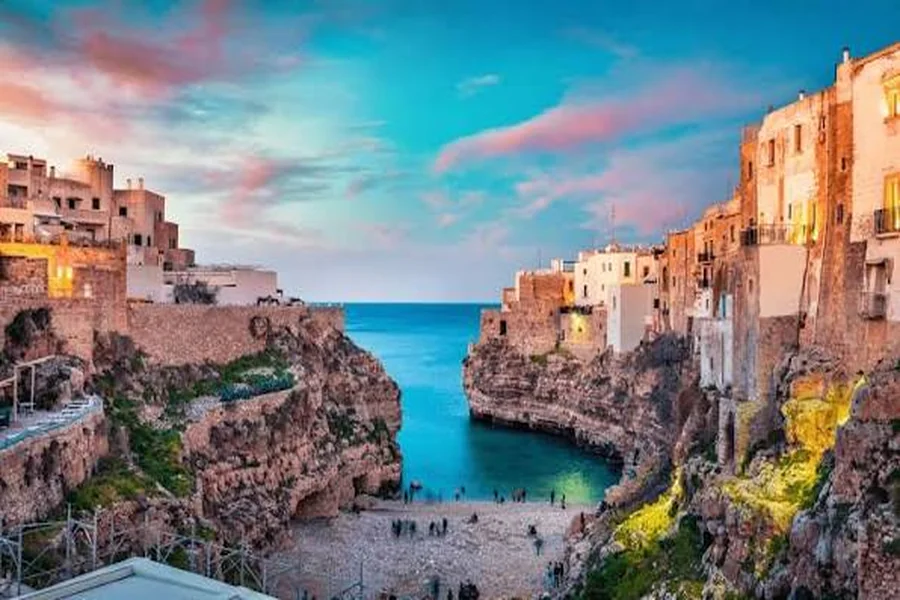
For years, international couples planning a wedding in Italy tended to begin with the same familiar names: Tuscany, Lake Como, Venice or the Amalfi Coast. Those destinations remain iconic, but another region has moved steadily into the spotlight. Puglia, in southern Italy, offers something different: a strong sense of place, distinctive architecture and the possibility of turning a wedding into several days of genuine Italian hospitality.
The appeal is not based on a single landmark. It comes from the combination of whitewashed towns, olive groves, Adriatic coastline, historic estates and traditional masserie. For couples who want an Italian celebration that feels elegant without feeling conventional, that mix can be especially compelling.
The Venue Is Part of the Experience
One of Puglia’s greatest strengths is the variety of settings available within the same region. A celebration can take place in a restored farmhouse surrounded by centuries-old olive trees, a private estate in the countryside, a seaside property near the Adriatic or a historic residence close to one of the region’s old towns.
Choosing a venue for a wedding in Puglia therefore involves more than finding a beautiful photograph. Couples need to consider how guests will move through the property, where they will stay, whether the venue offers privacy and what happens if the weather changes.
The strongest venues are the ones that support the entire celebration rather than simply providing a backdrop for the ceremony.
Why Masserie Have Become So Popular
The masseria has become one of the most recognizable expressions of a Puglian destination wedding. Historically built as fortified farmhouses, many masserie have been carefully restored into refined hospitality properties while preserving stone walls, courtyards, gardens and olive groves.
For international guests, this creates a setting that feels unmistakably connected to southern Italy. A welcome dinner, ceremony, reception and farewell brunch can often take place in different parts of the same property or nearby, giving the wedding weekend a natural rhythm.
That sense of continuity is increasingly important. Many destination weddings are no longer designed as one formal event; they are conceived as a shared travel experience lasting several days.
Hospitality Matters as Much as Design
Puglia also works particularly well for couples who want food and hospitality to become part of the wedding itself. Long dinners, regional ingredients, local wine and relaxed outdoor spaces can shape the atmosphere just as much as florals or table design.
This does not mean the celebration has to feel rustic. Contemporary design, refined lighting and luxury service can sit comfortably alongside traditional architecture. The most successful weddings often balance both worlds rather than trying to disguise the character of the region.
Location Planning Requires Local Knowledge
The region can appear simple on a map, but choosing the right base has practical consequences. Ostuni, Savelletri, Monopoli, Polignano a Mare, the Valle d’Itria and Salento offer different landscapes, accommodation options and travel times.
For couples organizing the celebration from abroad, working with a local planning team such as Princess Apulia can help connect the visual idea of the wedding with the practical realities of venues, guest logistics, suppliers, timing and backup plans.
A Destination With Its Own Identity
Puglia’s growing popularity does not come from trying to imitate another Italian destination. Its strength lies precisely in the opposite: it has a very clear identity of its own.
A wedding here can feel polished and luxurious while remaining rooted in landscape, food, architecture and local rhythm. For couples who want their guests to remember not only the ceremony but also the place they travelled to, that distinction matters.
Italy offers many extraordinary wedding destinations. Puglia is increasingly standing beside the most established ones because it offers something difficult to manufacture: a celebration that feels inseparable from the region in which it takes place.