
Why Some Companies Are Moving Away from Fixed Infrastructure
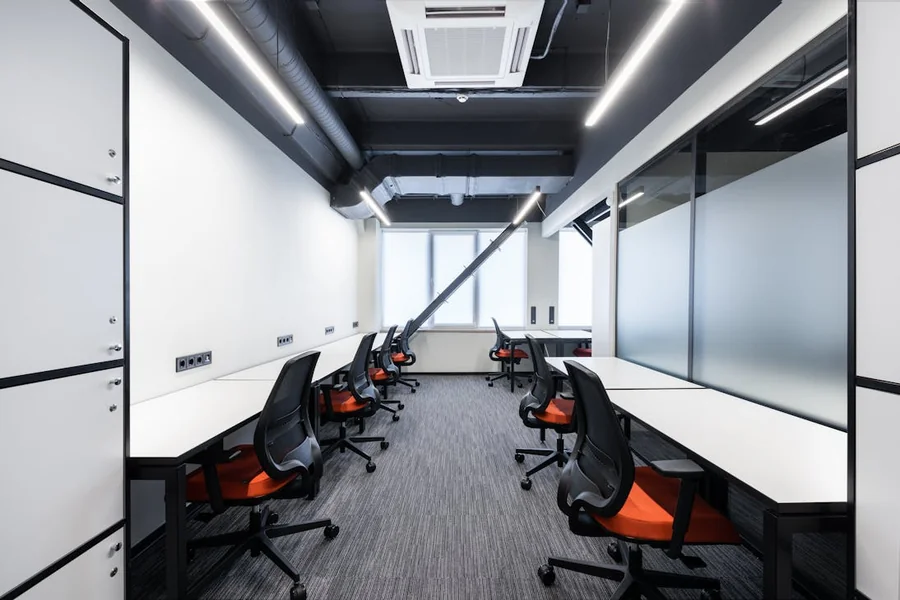
Many companies are questioning whether traditional, fixed infrastructure still fits how they operate today. Permanent buildings once symbolized stability and growth, yet they now often represent rigidity, long timelines, and capital locked into assets that may not align with future needs. As markets transform faster and work becomes more distributed, infrastructure decisions are increasingly viewed through the lens of adaptability rather than permanence.
Moving away from fixed setups allows organizations to respond to change without starting from scratch each time priorities shift. Businesses want space that can expand, contract, relocate, or pause alongside operations.
Mobile Space
Flexible space solutions allow companies to adjust their physical footprint as needs change, rather than forcing operations to fit a static location. Relocatable infrastructure supports growth, contraction, and geographic shifts without requiring major reinvestment. This approach helps businesses stay aligned with demand rather than locked into past assumptions.
Shipping containers illustrate this flexibility clearly. Companies use them as mobile offices, storage units, pop-up workspaces, and even specialized facilities. Shipping containers for sale give organizations ownership over adaptable space that can be moved between job sites, regions, or temporary locations as projects evolve. A construction firm, for example, may deploy containers to a new site for twelve months, then relocate them once the project wraps up, avoiding repeated lease negotiations or build-outs while maintaining consistency across operations.
Lower Investment
Lower upfront capital requirements make flexible infrastructure appealing, particularly during growth phases or uncertain market conditions. Traditional construction often demands large initial investments tied to land acquisition, permitting, and long build cycles. Those costs remain fixed regardless of how business needs change.
Using modular or relocatable solutions reduces that exposure. A startup logistics company might choose container-based facilities rather than constructing a warehouse, allowing it to allocate funds toward hiring, technology, or inventory instead. This decision preserves cash flow and keeps financial commitments proportional to current demand.
Fast Setup
Speed matters when opportunities emerge quickly. Fixed construction projects can delay operations for months or years, while flexible infrastructure allows businesses to become operational far sooner. Faster setup shortens the gap between planning and execution, which directly affects revenue timelines.
For example, a regional retailer testing a new market may deploy container-based retail or storage units within weeks rather than waiting for permanent construction. This rapid deployment allows teams to assess demand, refine logistics, and adjust strategy without prolonged downtime. If results fall short, the infrastructure can be relocated or repurposed rather than abandoned, protecting both time and investment.
Cost Clarity
Predictable costs support better planning and decision-making. Fixed facilities often carry variable expenses related to maintenance, utilities, and long-term upkeep that fluctuate over time. Flexible infrastructure simplifies forecasting by reducing those unknowns.
A manufacturing company using modular spaces can anticipate costs tied primarily to transport, setup, and basic maintenance. This helps leadership plan budgets across multiple projects or locations with confidence. Over several years, predictable expenses allow businesses to compare infrastructure costs directly against project revenue, improving accountability and financial discipline.
Easy Relocation
Business moves rarely align with long-term leases or permanent buildings. Mergers, new contracts, market exits, or operational pivots often require relocation under tight timelines. Flexible infrastructure allows companies to move without leaving behind costly assets.
A renewable energy firm working on short-term installations across different regions might relocate container-based offices and equipment storage from site to site. Rather than dismantling and rebuilding each time, the firm moves existing infrastructure, preserving investment while supporting operational continuity. This mobility reduces downtime and keeps teams focused on execution rather than logistics.
Modular Models
Infrastructure that supports modular business models allows companies to adjust operations without redesigning their entire physical setup. Modular space works well for organizations that grow in phases, operate across multiple sites, or test new offerings before committing fully. Instead of building everything at once, businesses can add or remove units as needs change.
A technology services firm, for example, may use container-based modules as training rooms, equipment storage, or temporary project offices. As new contracts come online, additional units can be added without disrupting existing operations. When projects end, modules can be removed or reassigned.
Recovery Ready
Improved disaster recovery flexibility has become a serious consideration rather than a contingency plan. Fixed infrastructure often leaves businesses vulnerable during weather events, supply disruptions, or regional shutdowns. Flexible setups allow companies to respond quickly and continue operating under challenging conditions.
In regions prone to hurricanes or flooding, some businesses rely on relocatable container units for critical operations such as data storage, command centers, or equipment housing. When risk increases, those units can be moved to safer locations ahead of impact. After disruptions, operations resume faster because the infrastructure already exists and only needs redeployment rather than reconstruction.
Sustainable Use
Alignment with sustainability and reuse goals increasingly influences infrastructure decisions. Traditional construction consumes significant resources and generates waste, particularly during renovations or demolitions. Reusable infrastructure reduces material consumption and extends asset life cycles.
Companies adopting shipping container solutions often repurpose existing units rather than sourcing new materials. A distribution company may convert used containers into storage or maintenance spaces, extending their utility for years.
Project Fit
Infrastructure matching project-based work cycles allows companies to align physical space with actual timelines. Many industries operate around contracts, seasonal demand, or temporary expansions that do not justify permanent buildings. Fixed infrastructure often outlasts its usefulness, tying up capital long after projects end.
An engineering firm working on multi-year infrastructure projects may deploy container-based offices and equipment hubs at each site. Once the project concludes, those units move to the next location rather than sitting vacant.
Custom Control
Greater control over space customization gives businesses the ability to design environments that match operational needs rather than adapting workflows to generic layouts. Fixed buildings often limit how space can be modified without expensive renovations. Modular solutions offer more freedom.
A healthcare logistics provider, for instance, may customize container units with climate control, security features, and internal layouts tailored to medical supply storage. As needs change, those units can be reconfigured rather than rebuilt.
Lower Risk
Reduced risk tied to long-term physical assets represents one of the most compelling reasons companies move away from fixed infrastructure. Permanent buildings expose businesses to real estate volatility, location dependency, and long-term financial obligations that may no longer align with strategy.
A retail brand testing new regional markets may choose container-based storefronts or fulfillment hubs rather than long leases. If a location underperforms, the infrastructure can be relocated or repurposed.
Businesses increasingly value adaptability over permanence, speed over scale, and flexibility over tradition. Infrastructure decisions now support strategy rather than define it. By choosing solutions that relocate, scale, and adapt, companies protect capital, reduce risk, and stay responsive to change.