
Why Sound-Dampening Wall Panels Are Replacing Art as the Statement Piece in High-End Interiors
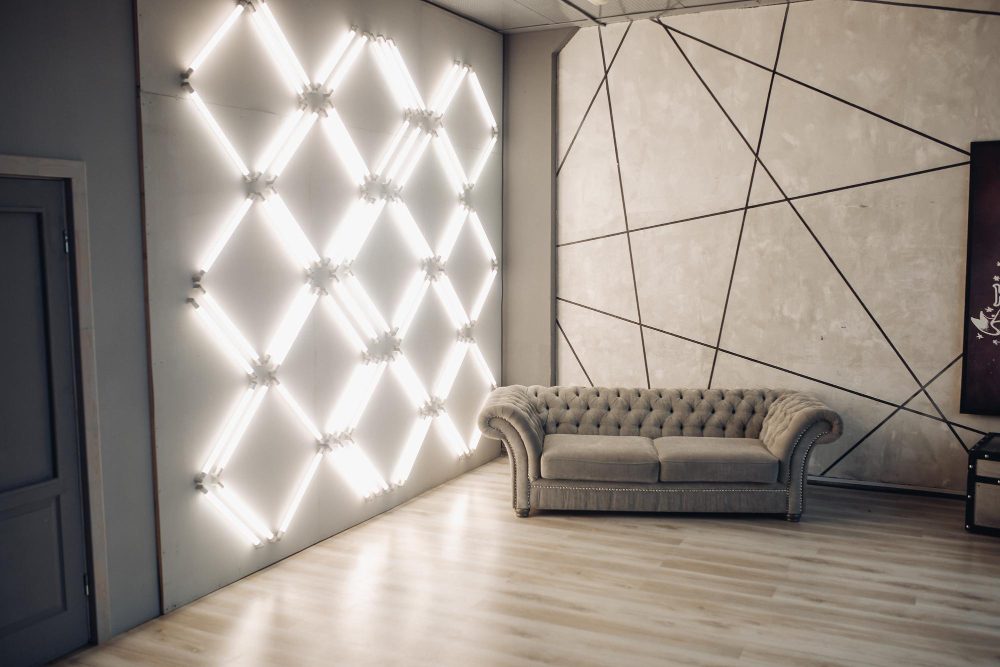
Luxury interior design has traditionally focused on what people can see. Statement lighting and custom furniture have been a major part. Moreover, marble surfaces, large artwork, and sculptural accessories also played a significant role. These elements still matter. However, a new form of luxury is becoming increasingly important. It is the ability to control how a space sounds.
High-end homeowners are paying more attention to acoustics because modern homes often contain large open rooms. Hard surfaces make these spaces look impressive but let sound travel easily. Conversations can echo. Music can become overwhelming. Television noise can spread through rooms.
This is changing how designers approach walls. Sound-dampening wall panels are no longer treated as functional products. They are becoming part of the visual identity of a room and play a key role in acoustics. In some luxury interiors, they can serve as the statement feature.
Wall Panels Are Moving Beyond Function
Acoustic panels were usually only seen in offices and recording studios. The main purpose of panels was to cut echo and make sounds clearer. Now that perception is changing.
Modern acoustic panels can be designed in different textures and patterns. Acoustic panels can have wood finishes and fabric surfaces. Acoustic panels can also be set up in shapes that become a big part of the room. This lets designers solve acoustic problems while keeping the interior from looking very technical. Instead of hiding the sound solution, acoustic panels can become the design.
A large wall can turn into an architectural feature. A dining room can use a patterned panel system as its focal point. A media room can combine acoustic treatment with sophisticated materials. The result is a space that looks intentional and still does its job.
The Rise Of Experiential Luxury
Devon Howard, CEO of Andor Willow, said, “The luxury market is increasingly focused on experiences. Homeowners invest in private wellness spaces. They are creating dedicated entertainment rooms. Moreover, they are also adding home offices and libraries. Homeowners design spaces for relaxation and social gatherings. Acoustics can improve all of these experiences.
A home theater needs controlled sound. A music room requires acoustic treatment. A private office benefits from reduced background noise. A bedroom can feel more peaceful when sound transmission is minimized.
Acoustic design is part of the larger movement toward experiential interiors. The value is not simply visible. The value is something residents experience every day.”
Statement Walls Are Getting A New Purpose
Statement walls have been popular in design for many years. Designers have used wallpaper and paint. They have also used stone and wood. Large artwork often serves as the centerpiece. Acoustic wall panels add another option.
Statement walls can now provide both impact and acoustic performance. Statement walls’ dual purpose makes the approach especially appealing in high-end interiors. Homeowners do not need to choose between beauty and function.
A textured wall can add depth to a room. A wood panel design can bring warmth to a contemporary interior. Fabric panel walls can soften an otherwise hard space. Statement walls become more than decoration. They become part of the room’s performance.
Texture Is Becoming More Important
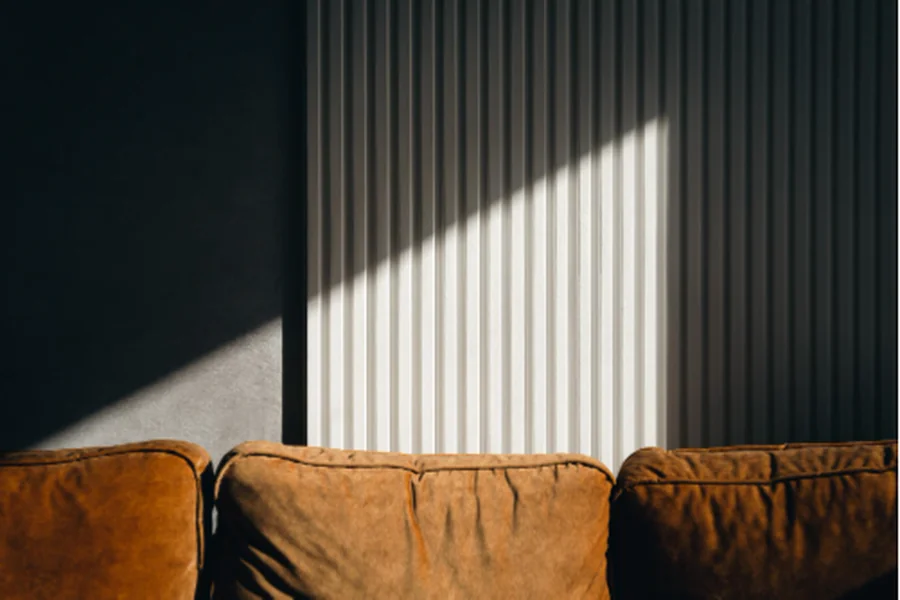
Luxury interiors often rely on texture to create depth. You can pair marble with natural wood. Soft fabrics can look great next to metal. Textured walls can also add interest without needing bold colors. Acoustic panels fit naturally into this approach.
The texture of panels can become an architectural feature. Repeating patterns can create rhythm across a wall. Vertical panels can emphasize ceiling height. Horizontal designs can make a room appear wider.
This makes acoustic treatment especially useful for designers who want to create impact without adding too much decoration.
Customization Is Driving The Trend
One reason acoustic panels are getting attention in high-end interiors is customization. Luxury homeowners rarely want spaces that look the same as hundreds of homes. They often want materials and details that show their personality and style. Acoustic systems can be customized to fit the design.
Panel dimensions can be adjusted. Patterns can be created to complement furniture and lighting. Materials can be chosen to work with the interior palette. This makes acoustic treatment more compatible with custom design than older solutions.
Acoustic Design Can Support Minimalist Interiors
Minimalist interiors create an acoustic challenge. These spaces rely on less furniture and decorative elements. Large walls may stay open and let sound travel and echo. Floors may be made of stone or polished surfaces. Furniture may be chosen carefully and kept to a minimum.
Acoustic wall panels can solve this problem while also keeping the style. Instead of many decorative objects, designers can use one carefully planned wall feature that gives visual interest and acoustic performance.
The design stays simple. A series of panels adds subtle texture. A neutral room can have warmth with a natural wood surface. Fabric panels help in softening the appearance of a wall without even overwhelming the space. This approach follows a principle of minimalism that can help designers include the idea that every element must have a purpose.
Technology Is Making Design More Sophisticated
Smart home technology has changed the whole perception of what people expect from luxury homes. Homeowners can now control lighting and temperature just by using their phones. You can even build entire entertainment systems into the walls. Window coverings can be automated too. Even security systems can work without showing equipment around. Acoustic design is now becoming a part of this move toward smarter and more useful homes.
Modern homeowners are thinking a lot about how different systems work. A home theater needs to give you an immersive experience. A home office needs to help you focus. A bedroom should feel quiet and comfortable. A large living area should let people talk without much echo. This means acoustic planning can no longer be treated as an afterthought. Since acoustic planning is soon to be a necessity in almost all homes, designers can plan the layout ahead. It can leave more space for natural ventilation and lighting.
Acoustic Features Can Add Long-Term Value
Interior design trends can change fast. A finish that feels stylish today might look old in a year. Homeowners who spend a lot on trends that do not last long may have to remodel again later. Acoustic comfort is different because its value is tied to life.
A home that keeps sound in check and makes a place peaceful and comfortable can remain appealing even if design tastes shift. Quiet bedrooms can boost the sense of privacy. Better acoustics can make talking easier in living rooms. A well-designed entertainment zone can give a great experience for many years. Acoustic upgrades can be useful beyond just looking good.
Homeowners can enjoy the improvements while they live there. Future buyers may also value the comfort and function. Acoustic upgrades can make acoustic design a mandatory feature instead of just a decorative add‑on.
Conclusion
Acoustic design is becoming a part of luxury interiors because homeowners want more than just a pretty look. They want homes that feel calm and comfortable.
Sound-dampening wall panels are now part of design and help designers reach that goal without losing style. Modern panels add texture and depth while cutting echo. Acoustic design can define spaces inside open floor plans. Such designs can improve privacy and make entertainment areas more enjoyable.
The biggest shift is that acoustic products are no longer hidden. Acoustic products are now becoming architectural features.