
35 Tint vs. 20 Percent Tint: How to Choose the Right Automotive Window Film
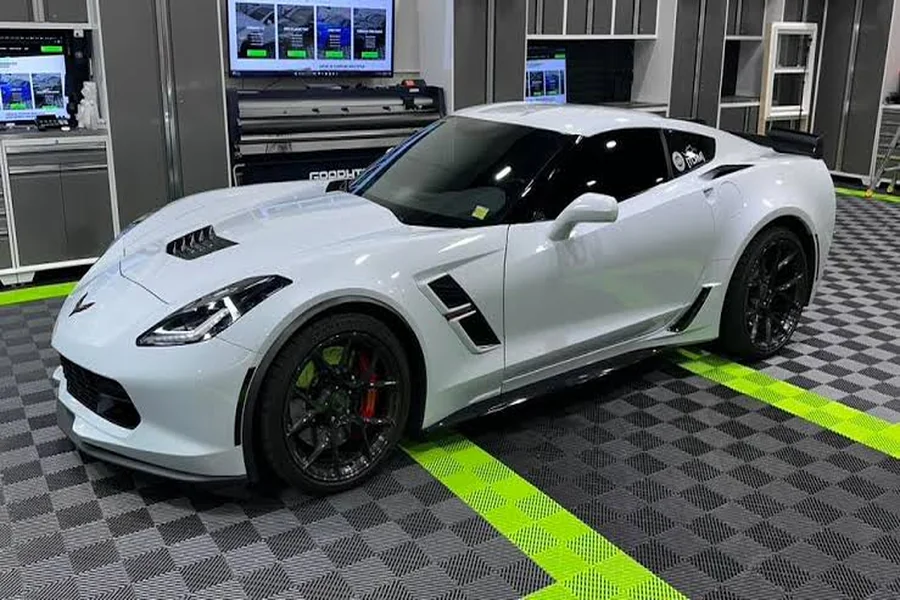
The correct window tint isn’t merely about darkening a vehicle. Window film for cars can enhance comfort, help minimize glare, guard against damaging ultra-violet rays and provide privacy. Drivers who want to enjoy a balance of visibility with a degree of tint find that 35 tint on car windows provides just the right amount of darkness. This is dependent upon the type of film, factory glass, installation and local tint laws.
A 20 percent tint is quite dark. For VLT, a 20% film has a VLT of approximately 20% visible light through the film with a blocking of most of the visible light. That will offer greater privacy and a deeper look, however, it can likewise diminish clarity, especially in dim lighting. If you’re thinking about installing this percentage, please make sure to check your local tint laws for window tint and location laws that may differ.
Understanding VLT Before Choosing a Tint
Window tint percentages are usually determined by the amount of Visible Light Transmission (VLT) that passes through the tint. The number refers to the amount of visible light that is able to pass through the combination of the glass and film. The higher the percentage, the lighter the colour, the lower the percentage, the darker the colour.
For instance, a 70% film will be relatively light, and a 35% film the medium shade. A 20% film is much darker and a 5% film is usually linked to a very dark privacy film.
The percentage indicated on a roll of film, however, does not necessarily reveal the full picture. The final VLT of factory tinted glass may differ from the film’s advertised VLT due to some glass tint prior to installation. The amount of existing glass can be measured by a professional installer and the correct mix can then be calculated.
This is particularly significant for the front windows where visibility and legality are the main concern.
What is 35 tint on a car?
The 35% tint is usually not as dark as an 85% tint, but still dark enough to provide a sophisticated, medium tinted effect. It will significantly diminish the amount of daylight that can get into the cabin during the day, but it will still allow a decent view through the windows.
It may vary with the paint colour of the vehicle, the glass type, the interior colour of the vehicle and the technology of the film. A 35 tint on a dark-colored sedan will give it a subtle factory look. For lighter vehicles, the difference between the body and tinted glass might be more prominent.
If drivers are looking for an upgrade that will look nice but still be functional, 35% might be a nice compromise.
Another factor of interest is Optical Quality. This can be the case if the film is not made or installed properly. A high-quality film that has a high level of optical clarity can give a much cleaner finish.
When Is 20 Percent Tint a Better Choice?
Drivers opt for a 20% film for a darker look and increased privacy. This means that less light will shine through, and it can feel more private in the back compartment.
The darker color also can match some cars. A deeper shade can be used to enhance the look of SUVs, trucks, luxury sedans and performance vehicles. But it shouldn’t be forgotten that this practical impact must be taken into account along with its appearance.
Darker film can make it harder to view through the glass at night, especially during reverse, parking and low-light driving conditions. That’s why it is recommended to the driver to carefully think about the placement of a darker film.
There may be factory tinted rear windows on some vehicles as well. If a dark film is added on the top of already tinted glass, it can, of course, lead to a much darker end result than the initial tints intended.
TERMINAX Automotive Window Film
Under the leadership of the Ministry of Information and Communications, TANF is poised to become a key player in the industry.TANF is expected to play a major role in the industry under the direction of the Ministry of Information and Communications.
Why Ceramic Window Film Is Worth Considering
Window tint does not work in the same manner for everyone. Traditional dyed films offer shade and privacy, and ceramic films feature more advanced ceramic materials for an added performance benefit.
TERMINAX comes in a variety of window-film types—Ceramic-X™ IR, UltraCrystal-X™, Ceramic IR and X-Dyed™. Built to deliver heat rejection, UV protection, optical clarity and installation flexibility, its Ceramic-X™ IR range offers multiple VLT options.
For those who reside in hot climates, ceramic technology is especially helpful for drivers. Rather than using darkness alone to make a vehicle more comfortable, high performance ceramic films are designed to reflect off solar and infrared energy.
The Ceramic-X™ IR film from TERMINAX offers good UV rejection qualities, and comes in a variety of shades, from very dark to much lighter VLT ratings.
This does not imply a driver has to select the darkest film available to provide adequate heat and UV protection.
Heat Rejection Matters More Than Darkness
One might think that a darker tint equates to a cooler car. Darkness and heat rejection are not synonymous.
The quality of a window film is determined by the way the window film is made, and how the window film handles various parts of the sun’s energy. Two movies with identical apparent darkness may provide different levels of darkness inside the cabin.
To overcome these problems, ceramic films have been developed to reflect infrared radiation but retain enough visible light that it can still be seen. TERMINAX’s ceramic technology has been specifically designed to reject infrared heat, while remaining extremely thin and flexible.
This can be especially useful for cars that are parked outside for extended periods of time. Less solar gain in the windows can result in a more comfortable cabin and/or less strain on the cooling system.
UV Protection Helps Protect the Interior
The sun can impact more than a vehicle’s passengers. Leather, vinyl, plastics, carpeting, and dashboard surfaces can become faded and/or deteriorate with long-term exposure to UV.
Installing a high-quality automotive film can add another layer of protection from UV rays. TERMINAX window film products have been formulated with high UV rejection.
However, this is not to say that tint will prevent the car from sustaining damage from the sun. When properly selected, though, a well-chosen film can be a component of a larger plan to protect the cabin.
Glare Reduction Can Improve Driving Comfort
The direct sun can cause an uncomfortable glare, especially in the morning and afternoon. Bright conditions can also be more tiring due to reflections from other vehicles, buildings and wet roads.
A window tint that is properly installed will cut down on visible light transmission and also help to increase the comfort level of the car or truck. Darker films could offer better glare protection, but drivers should consider night vision alongside.
The amount of glare reduction that can be achieved with different films or VLT levels brings home the point that it is best to choose a film for its actual performance and not to rely on darkness as the only factor.
35% vs. 20% Tint: A Practical Comparison
| Feature | 35% Tint | 20% Tint |
| Appearance | Medium-dark | Dark |
| Privacy | Moderate | Higher |
| Daytime visibility | Generally better | More reduced |
| Nighttime visibility | Generally easier | More challenging |
| Glare reduction | Good | Stronger |
| Cabin appearance | Subtle and balanced | Bold and private |
| Best suited to | Everyday usability | Drivers prioritizing darkness/privacy |
| Legal suitability | Depends on location | More likely to face restrictions on some windows |
These descriptions are general in nature. Final product results will be dependent on the film used, the original glass, installation and applicable regulations.
Don’t Forget Windshield and Front-Window Regulations
One of the most significant factors to consider when buying car film are tint laws. There may be variations in the rules within countries as well as within states, provinces, or regions.
Films that are OK on back side windows are not necessarily OK on front side windows. In addition, windshields often have specific needs.
Thus, drivers need to look at local VLT usage requirements prior to installation. Selecting a film for appearance only can result in a costly replacement, if the product does not meet local regulations.
A VLT meter also can be used by professional installers to measure the glass transmission of the existing glass and to assist in determining an appropriate film to use.
Professional Installation Makes a Difference
Even if it is a good movie, a bad install can result in a bad experience. Dust, moisture inside the film (trapped), wrinkles, uneven edges or contamination under the film can impact both looks and durability.
The careful preparation of the glass is the first step in professional installation. The windows should be cleaned thoroughly prior to film forming and application. The material is then installed using the proper tool to place and smooth the material without punching unneeded creases.
TERMINAX also has the ability to work with dealers and installers who then provide their customers with professional services for product selection and installation.
It’s particularly crucial with high-quality ceramic films, as the final look of the glass should match the quality of the film.
Is Window Tint compatible with Paint Protection Film?
Window tint and paint protection film cover different parts of the vehicle but they can be used together.
One of the most common applications of window film is on the glass of vehicles where it is utilized mostly for sun protection, glare reduction, privacy, and to block ultraviolet rays. Painted exterior surfaces use PPF to keep road debris, chips, scratches and other normal hazards from damaging the paint.
TERMINAX automotive film products consist of window film products and PPF products such as UltraNAX™ PPF, Chroma-X™ Color PPF, Carbon-X™ Fiber PPF and other specialty protection films.
Therefore, using both solutions can solve a variety of areas of the vehicle without having to use a product which was not meant for that purpose.
Choosing the Right Film for Your Vehicle
Not all dark tints are the best tints. Rather, there are certain factors that dictate the right choice:
– Local regulations: See what the local regulations allow for each window.
– Driving habits: When previous to night driving, a lighter shade might be a better choice.
– Climate: Heat rejection performance may be especially beneficial in hot environments.
– Visual privacy: Darker films offer more visual privacy.
– Interior protection: Ensure high levels of UV rejection.
– A clear way forward: The clear visibility from outside should continue to be a major concern.
– Vehicle glass: Take note of the tint level that is already on the vehicle’s glass.
– Installation quality: The quality of the installation can greatly influence the look of the final product.
A good guideline for drivers seeking a well-rounded appearance is 35%. If you prefer the dark shades and privacy, you can opt for 20% which is allowed in certain jurisdictions.
Final Thoughts
The decision between 35% tint and 20% tint depends on balancing certain factors such as appearance, privacy, visibility, comfort, and local regulations. The 35% film is a medium tint on car windows, and is suitable for regular driving; 20% makes the car have a darker tint and gives it a more private look.
Technology also matters. The modern ceramic films can be used to create a heat and UV barrier without having to use darker shades. TERMINAX has a variety of automotive window-film technologies based on various levels of VLT, heat rejection, UV protection, clarity and aesthetic concerns.
Prior to installation, check the existing tint level on the vehicle, look at which tint laws are being enforced and discuss the application with the installer. The right film and proper installation can enhance the driving experience and add a more polished look to the car.