
5 Reasons Phase One Stands Out Among Top Sterile Reconstitution Liquids
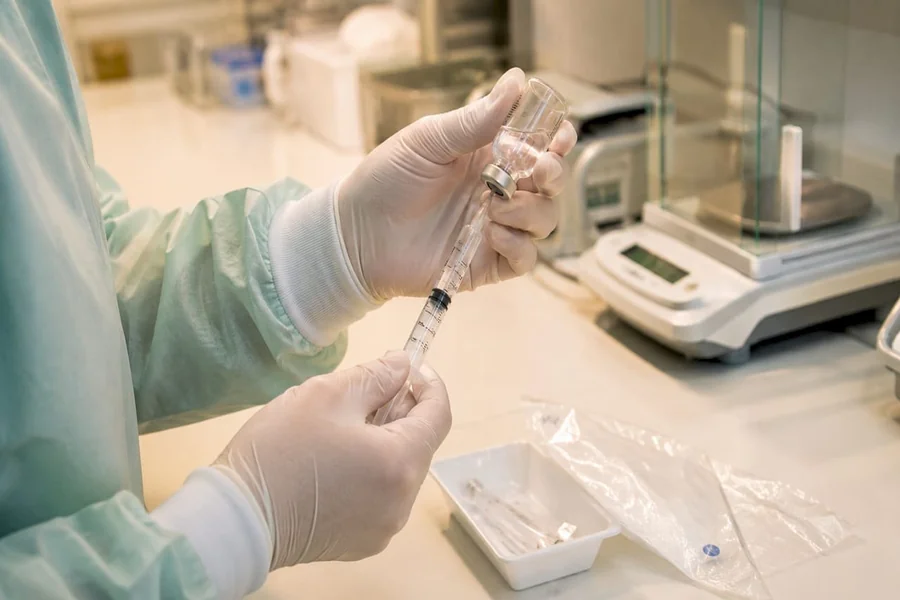
The sterile solvents are employed to dissolve the lyophilized chemicals utilized in the laboratory. It is necessary to ensure that the solvent is free from any contamination and that the stability of the molecule is maintained even when used repeatedly through the needle. In the case of normal solvents, no special precautions are needed except for basic sterilization. However, quality solvents require some extra precautions. These precautions include pH adjustment, avoiding bacteria/fungi, and using glass bottles.
The way people deal with these mixes today is changing. The main thing that causes problems with storing these mixes, which have more than one dose, is not just how clean they are at the start. It is because the pH is not right and there are small leaks, as the packaging is not strong enough when these are open for 28 days. When you use good solvents like bac water, the mix stays together. This keeps the mix level the same for every dose you use.
1. Superior Preservative Precision
To maintain the area responsible for combating bacteria in a stable condition, there should be 0.9% benzyl alcohol (9 mg/ml). In case of employing less expensive diluents, the composition will not remain unchanged, and this will cause the premature growth of microorganisms or its disintegration.
According to the guidelines issued by the United States Pharmacopeia (USP) in Chapter <797>, multi-dose containers that contain water and preservatives are capable of preventing the growth of bacteria during up to 28 days after opening. Unlike that, single-use sterile water does not possess this characteristic since it gets contaminated immediately upon removing the cap.
PhaseOne involves the use of a preservative whose concentration is 0.9%. The batch is always tested by the researchers in order to maintain its consistency. It makes the product safer to use without any effect on the peptides and proteins that are prone to degradation.
2. Advanced pH Balance Control
A common problem when you mix things is how acidic the mix becomes. Plain water can take in carbon dioxide from the air. This turns it into carbonic acid. That will drop pH to below 4.5. If this happens fast, some peptides might not work. They can also fall out of the mix because they change easily.
PhaseOne makes its products to have a pH level of 5.7. The usual pH level is between 4.5 and 7.0. This keeps the pH at the right spot. It helps the product stay safe from start to finish. A steady pH means that what is in the product stays the same all the time.
| Feature | Plain Sterile Water | Standard Generic Solvents | PhaseOne Formulations |
| Preservative Guard | None (0%) | Variable Benzyl Alcohol | Exact 0.9% USP-Grade |
| Multi-Draw Window | Single-Use Only | Up to 14 Days | Full 28-Day Stability |
| Container Type | Low-grade Plastic | Basic Glass Vials | Type I Borosilicate Glass |
| pH Maintenance | Drifts Uncontrolled | Semi-Buffered | Strict 5.7 Target |
3. Premium Low-Extractable Glass Vials
The packaging you choose to use will affect the purity of the fluid in question. Normal plastic bottles and poor-quality soda lime glass could allow certain impurities to leach into the fluid while in storage. These could be chemical or plastic particles.
PhaseOne uses special Type I Borosilicate Glass vials. These vials are made for medical use. They have stoppers that can seal by themselves. A study from the National Institute of Standards and Technology (NIST) shows that Type I borosilicate glass holds off heat and chemicals well. This helps keep things safe inside and stops bad things from getting in.
4. Rigorous Endotoxin Filtration Protocols
Endotoxins are a kind of lipopolysaccharides. They come from the walls of bacteria. These can make people feel very sick and cause a lot of swelling, even if they are in solutions that are clean or without germs. If you use basic distillation, it will often not get rid of them. This is because they do not break down when you heat them.
Multi-Stage Filtration Process
Raw Purified Water ➔ Reverse Osmosis ➔ 0.1 Micron Bio-Filter ➔ Depyrogenation ➔ PhaseOne Final Vial
PhaseOne uses many steps when it makes things to give the best level of purity.
- Reverse Osmosis Deionization: This process removes more than 99.9% of the mineral salts dissolved in water. It also removes organic matter.
- 0.1-Micron Bio-Membrane Filtration: It collects minute particles and residual substances from the bacteria.
- Depyrogenation Heat Cycle: This process removes all endotoxins that are heat-stable prior to final sterilization.
This technique will ensure that the levels of endotoxin are significantly reduced below the acceptable level (less than 0.25 EU/mL).
5. Economical Multi-Dose Efficiency
The usage of single-use sterile vials in multi-dose is highly wasteful. This also makes costs go up.
Multi-dose vial containing 10mL helps in reducing cost per milliliter by 40%. This product by PhaseOne comes in this form. Besides, it allows maintaining a high level of safety, stability, and purity during all 28 days.
- Disinfection of Stopper: Mandatory preparation step.
Disinfect the rubber stoppers of the vial with the solution and the vial with the mixture using new 70% isopropyl swabs. Then, allow both to air-dry for 10 seconds.
- Drawing the Solution: Use a sterile single-use syringe.
Take a new sterilized single-use syringe. Insert the needle into the top of the vial filled with solution and pull the plunger to draw the required quantity.
- Transfer Liquid Slowly: Prevents stress on weak compounds.
Insert the needle into the vial at an angle. Ensure that the liquid flows through the wall of the glass vial. Ensure that the liquid does not contact the dry powder initially.
- Swirl Without Shaking: Protects delicate chemical structures.
Continue swirling the solution in a circular motion until the powder dissolves. Ensure that you do not shake the vial. Shaking may cause the formation of bubbles within the solution and break the delicate chains formed during the mixing process.
Frequently Asked Questions
What is the shelf life of an open reconstitution vial?
Once the multi-dose vial has been opened, it should be used within 28 days, provided that it has 0.9% benzyl alcohol in it. Always ensure that it is kept properly.
Can I use plain sterile water instead of preservative solutions when doing multi-dose reconstitution?
No. Sterile water does not contain any preservatives that would help to fight against germs.
Should reconstitution solvents be frozen?
No. Freezing can put stress on the rubber seal of the vial. This may cause the mixed compounds to break down. It is best to keep unopened vials at room temperature, around 20–25°C.
Why should liquid be angled down the vial wall during mixing?
If you put the liquid on dry powder, it will make a foam. This foam can move things. It can also change the way protein and peptide shapes look. These shapes can be easy to change.
Raising Standards for Solvents in Compound Mixing
The selection of proper solvents in compound mixing affects the stability of the mixed compounds. The safety of the users and the accuracy of the research work are guaranteed. The phase one process employs stringent solvent standards of 0.9% USP grade with high-standard Type I borosilicate packaging with minimal extractable contents. It ensures that the user gets consistent purity with every application.