
5 Smart Ways to Avoid Used Car Scams
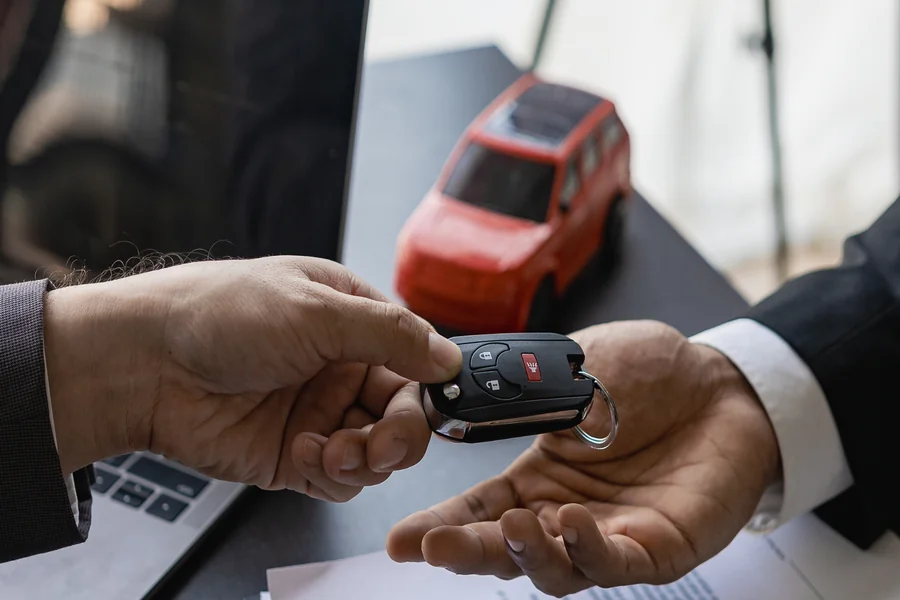
Buying a second-hand car means you need to verify the history, check the V5C logbook matches the chassis numbers, ignore ridiculously low prices, get a mechanic to look it over & pay through a traceable bank transfer. That is the quickest way to avoid getting scammed by a fraudulent seller. You protect your cash and ensure the vehicle is legally compliant before you ever hand over a penny.
It is a strange feeling handing over thousands of pounds to a complete stranger. You usually stand on some damp driveway in the endless UK drizzle hoping the bloke selling you a Ford Focus is actually a decent person. I bought an absolute lemon once back in my twenties. It was a shiny blue hatchback that looked perfect on the outside but had a gearbox held together by sheer willpower and zip ties. I learned the hard way that sellers lie. They do not always mean to but they do.
It makes you naturally sceptical.
You want a fair deal and a safe motor to get to work. I think that is what we all want really. But fraudsters are incredibly clever. Criminals know exactly how to mask a stolen vehicle or hide outstanding finance to pass the massive problem onto you. So we need a solid plan to catch them out before the money leaves your bank account.
Investigate the vehicle history thoroughly
A shiny paint job covers a multitude of sins. Fraudsters absolutely love a good polish to distract you from the fact a car was wrapped around a lamppost six months ago. Or worse it belongs to a massive finance company who will eventually come to repossess it straight from your driveway.
You cannot just trust what the seller wrote in the advert.
The easiest way to protect yourself is by running a free car check to confirm the basic MOT status and tax details before you even think about going to view it. This gives you a baseline of truth. If the seller says it has a full year of MOT but the database says it failed last week on faulty brakes you simply walk away. I always check the DVLA records because it takes literally two minutes and saves massive headaches.
Just a quick search.
You might find out the car has a severely hidden past. It happens far more often than you would expect. Stolen cars are routinely given fake plates to match legitimate vehicles of the exact same make and colour. This is a nightmare to untangle if you buy one blindly. Perhaps the mileage has been clocked back to make it look less worn out. A quick check reveals all these discrepancies instantly.
Cross reference the V5C logbook and VIN
So you arrive at the seller’s house. Always view the vehicle at the registered address listed on the V5c logbook. Never agree to meet in a supermarket car park or a petrol station halfway because that is a massive red flag. If they are legit they will accomodate a viewing at their actual home. You need to hold that piece of paper in your hands and check the details.
Look for the DVLA watermark.
Then find the Vehicle Identification Number on the car itself. The VIN is usually stamped into the metal chassis under the bonnet or visible through the bottom corner of the windscreen. It MUST match the logbook exactly. Not just most of the numbers. Every single digit.
Criminals clone cars by stealing a vehicle and then ordering fake V5C documents using the identity of a legitimate car. It seems wild but it is a very common trick. I remember reading about a guy who bought a ‘bargain’ Audi only to have the police seize it three days later because it was a clone. The VIN on the chassis had been scratched away. If the numbers look tampered with or the seller gets defensive when you start checking them just leave the premises immediately.
You definitly want to be sure you are buying the actual car on the paperwork.
Be wary of totally unrealistic pricing
We all love a good bargain. Scammers use heavily discounted prices as bait to lure in buyers who are blinded by the thought of saving a few grand. If a deal seems too good to be true it usually is.
Take a look at the current UK market value for the specific make and model you want. Sites like AutoTrader give you a solid baseline. If the average price for a 2018 Volkswagen Golf is ten thousand pounds and someone is selling one for six thousand you have to ask yourself why. Nobody gives away thousands of pounds out of the goodness of their heart. They are either hiding a massive mechanical failure or the car itself is dodgy.
Greed makes people ignore the obvious warning signs.
Sometimes the seller will claim they are moving abroad tomorrow and need a quick sale. Or they say the car belonged to a recently deceased relative. These emotional stories are designed to rush you into making a terrible decision. Take a breath & step back. Do not let an imaginary ticking clock force you into buying a stolen jalopy. Maintaining a used vehicle properly after the purchase is just as important as the initial inspection to ensure long-term reliability. For those who need professional help but have a busy schedule, choosing a service that offers flexibility can make a difference. Utilizing a resource like the http://evansvillefordmotors.com/service/evansville-ford-mobile-service-van/ can help you stay on top of routine maintenance without needing to visit a traditional shop. Regular oil changes and brake checks support the overall health of the car and may help maintain its value if you decide to sell it later on. Keeping a clear record of these services further protects your investment.
Arrange an independent mechanical inspection
Relying solely on a seller’s word is a huge risk. They will tell you it runs like a dream and has never missed a beat. Of course they will. They want your money. Unless you happen to be a trained mechanic yourself you will probably miss the subtle signs of undisclosed accident damage or a failing head gasket.
A thorough pre-purchase inspection should be arranged. Bring a qualified professional with you to look under the car and plug into the diagnostic port. Yes it costs a bit of money upfront. But spending a hundred quid now could save you thousands in repair bills next month.
It brings genuine peace of mind.
The mechanic will spot things you never would. Things like uneven tyre wear pointing to bent suspension components. Or fresh underseal sprayed everywhere to hide aggressive rust. I think a lot of buyers skip this step because they feel awkward asking the seller if a mechanic can poke around the car. Do not be shy. A genuine seller will welcome an inspection because they have absolutely nothing to hide.
What the mechanic actually looks for
They check the fluid levels to see if the oil looks like thick mayonnaise. That usually means the engine is dying. They also test the clutch bite point and listen for weird rattles when the engine is cold. It is fascinating to watch a pro work.
You learn a lot just by standing next to them.
They plug a little computer into the dashboard to read hidden error codes. Sellers sometimes clear the warning lights on the dashboard right before you arrive but the computer remembers everything. It is a brilliant way to catch someone out.
Stick to secure and traceable payment methods
The actual transaction is where things get really tense. You have done all your checks and decided to buy the car. Now the seller suddenly demands the entire amount in crisp fifty pound notes. That is a terrible idea.
Warn yourself against sellers who push for large amounts of cash or unusual wire transfers. Standard UK bank transfers are the only way you should be paying for a vehicle. A bank transfer provides a clear paper trail. It proves exactly who you paid and when you paid them. If something goes horribly wrong later on you have actual evidence of the transaction.
Cash leaves absolutely no trace.
Some scammers will try to rush you into transferring money to a “holding account” before you even see the car. They claim it is a deposit to secure the vehicle. Never send money for a car you haven’t seen in person. Once that transfer clears the seller will simply vanish into thin air and the advert will be deleted.
Completely gone.
Most banking apps let you transfer money instantly while standing on the driveway. You do it together. You watch the money leave your account and they watch it arrive in theirs. It is safe and nobody has to walk around with a pocket full of vulnerable cash.
Final Thoughts
Buying a used car does not have to be a nightmare. It just requires a bit of patience and a willingness to walk away if things feel wrong. Trust your gut feeling. If the seller is acting sketchy or the paperwork looks like it was printed on a home inkjet printer just say no thanks and leave.
I have walked away from plenty of cars over the years. It is frustrating when you have travelled an hour in the pouring rain to get there. The rain always seems heavier when you are looking at a bad car. But the relief you feel on the drive home knowing you dodged a massive bullet is totally worth it.
Protect your hard earned cash.
Take your time with the checks. Look at the v5C properly. Get that mechanic out there. It is your money on the line so you get to set the rules of the purchase. You are in control of the situation as long as you keep your eyes open and refuse to be rushed.