
A Nursery-Inspired Guide to a Greener Lawn
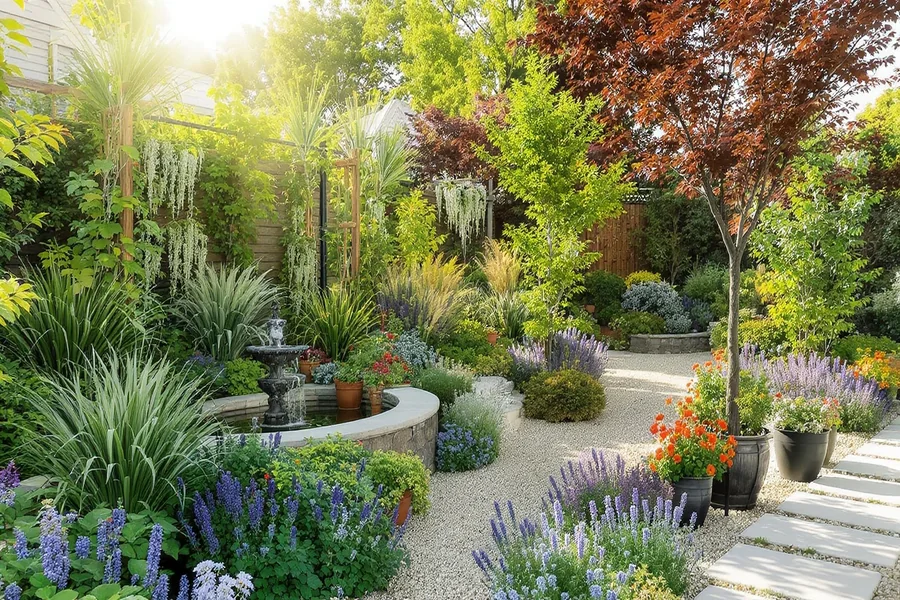
A greener outdoor space does not happen by accident. It comes from smart plant choices, healthier soil, better lawn care, and a clear vision for how you want the space to feel. Whether you are starting with a tired lawn, bare garden beds, or a patio that feels unfinished, the right plan can turn your yard into a place that feels fresh, inviting, and easy to enjoy.
A local plant nursery is one of the best places to begin because it gives you real inspiration you can see, touch, and compare in person. If you are wondering where to buy garden plants, start with a trusted plant nursery that understands your climate, soil, sun exposure, and seasonal planting windows. The best nurseries do more than sell plants. They help you choose greenery that can actually thrive once it leaves the pot and settles into your yard.
Start With the Feeling You Want Outdoors
Before you buy a single plant or schedule any lawn service, think about how you want your outdoor space to feel.
Some homeowners want a peaceful garden filled with soft textures and calming colors. Others want a vibrant yard with bold blooms, thick grass, and plenty of room for kids, pets, and guests. Your answer matters because every decision should support that vision.
A relaxing space might call for ornamental grasses, lavender, hydrangeas, shaded seating, and simple lawn lines. A family-friendly yard may need durable turf, open play areas, low-maintenance borders, and hardy shrubs that can handle everyday use. When you know the feeling first, the design choices become much easier.
Use the Nursery as Your Outdoor Mood Board
A good nursery visit can do more for your yard than hours of scrolling through photos online.
Walk through the rows slowly and pay attention to what catches your eye. Notice leaf shapes, plant heights, bloom colors, fragrance, and how different plants look together. You may find that you are drawn to deep green foliage, cottage-style flowers, tropical textures, or clean, modern plantings.
The key is to look beyond single plants. Think in layers. Tall shrubs can create structure. Mid-height perennials can bring color and movement. Ground cover can soften edges. Potted plants can make patios, porches, and entryways feel more finished.
Also, ask questions while you are there. Which plants are drought-tolerant? Which ones attract pollinators? Which ones need full sun? Which ones stay green through more of the year? A few practical answers can save you from planting something beautiful that struggles after a few weeks.
Match Plants to the Real Conditions in Your Yard
The most beautiful plant in the nursery still needs the right home in your landscape.
Before planting, spend a day observing your yard. Watch where the sun hits in the morning, afternoon, and evening. Look for areas that stay soggy after watering or rain. Notice spots where grass thins out, where soil feels compacted, and where heat reflects from walls, fences, or pavement.
Full-sun plants usually need six or more hours of direct sunlight. Shade plants may burn or wilt if placed in harsh afternoon sun. Some plants need well-draining soil, while others tolerate moisture better. These details may sound small, but they decide whether your garden looks lush or constantly stressed.
It also helps to group plants with similar needs. Put thirsty plants together. Keep drought-tolerant varieties in another zone. This makes watering easier and keeps your outdoor space healthier over time.
Build Better Soil Before Expecting Better Growth
Healthy outdoor spaces begin below the surface.
If your plants are struggling or your lawn looks patchy, the issue may not be the plants at all. The soil may be compacted, low in organic matter, poorly draining, or missing key nutrients. Before spending more money on new greenery, improve the foundation.
For garden beds, mix in compost to improve texture and fertility. Add mulch after planting to protect roots, hold moisture, and reduce weeds. For lawns, pay attention to compaction. When soil becomes packed down, water, oxygen, and nutrients cannot move freely to the roots.
This is where lawn core aeration can make a major difference. It removes small plugs of soil from the lawn, creating space for roots to breathe and grow deeper. Many homeowners also compare different options and consider the cost of lawn core aeration when planning seasonal lawn care improvements, especially when deciding between short-term fixes and longer-term soil health solutions. The service can be especially helpful before overseeding, since the new seed gets better contact with the soil.
Turn Patchy Grass Into a Stronger Lawn
A greener lawn is not just about watering more.
Patchy grass can come from foot traffic, poor soil, pests, shade, pet spots, dull mower blades, or the wrong grass type for your area. The first step is figuring out why the grass is thinning. Once you know the cause, you can fix the problem instead of covering it up temporarily.
Aeration, overseeding, and fertilization often work well together. Aeration opens the soil. Overseeding fills bare or thin areas. Fertilization gives the new and existing grass the nutrients it needs to thicken. Timing also matters. In many regions, fall is one of the best times for lawn recovery because cooler temperatures and seasonal moisture support stronger root growth.
Mowing habits matter too. Cutting grass too short can weaken it and expose soil to weeds. A slightly taller lawn often holds moisture better, shades its own roots, and looks fuller. Keep mower blades sharp, avoid mowing during extreme heat, and never remove too much grass height at once.
Create Smooth Transitions Between Lawn and Garden Beds
A beautiful yard feels connected, not random.
Once your lawn and planting areas start improving, look at how the spaces flow together. Clean edges between grass and garden beds can instantly make a yard look more polished. Curved borders can soften the space, while straight lines can create a cleaner, more modern look.
Use plants to guide the eye. Taller plants can sit toward the back of a bed, medium plants can fill the middle, and shorter plants can frame the front. Repeating the same plant or color in a few places helps the yard feel intentional instead of cluttered.
Pathways, stepping stones, mulch lines, and border edging can also help. These details do not need to be expensive. They just need to make the space easier to understand and enjoy.
Add Color Without Creating Extra Work
Color brings personality to an outdoor space, but it should not turn your yard into a weekly chore.
Choose a mix of seasonal flowers, long-blooming perennials, and dependable foliage. Flowers give you bursts of color, while foliage keeps the space attractive when blooms fade. Plants with interesting leaves can carry a garden through quiet seasons and reduce the pressure to keep replanting.
Containers are another smart way to add color. Pots near the front door, patio, or walkway can create a strong visual impact without requiring a full landscape redesign. They are also easier to refresh as seasons change.
The trick is to stay focused. Too many colors can make a yard feel busy. A simple palette of two or three main colors often looks more elegant and easier to maintain.
Make Watering Smarter, Not Harder
Watering is one of the biggest make-or-break habits in lawn and garden care.
New plants usually need consistent moisture while they establish roots. Mature plants may need deeper but less frequent watering. Lawns generally do better with deep watering that encourages roots to grow downward instead of staying shallow.
Water early in the morning when possible. This gives plants time to absorb moisture before heat builds and reduces the chance of fungal issues overnight. Check the soil before watering again. If it still feels moist below the surface, wait.
Mulch, compost, aeration, proper mowing height, and smart plant selection all reduce water stress. The goal is not to water constantly. The goal is to create conditions where your lawn and plants can use water efficiently.
Keep the Transformation Going Season by Season
A great outdoor space is built through steady care, not one big weekend project.
In spring, focus on cleanup, planting, feeding, and refreshing mulch. In summer, protect plants from heat stress, water wisely, and mow carefully. In fall, repair the lawn, plant hardy selections, aerate where needed, and prepare roots for cooler weather. In winter, plan improvements, prune where appropriate, and protect sensitive plants.
This rhythm keeps your yard moving in the right direction. It also prevents small issues from becoming expensive problems. A little seasonal attention can keep your lawn thicker, your plants healthier, and your outdoor space more enjoyable year after year.
Bring Your Greener Outdoor Space to Life
The best lawn and garden transformations start with inspiration, but they succeed through practical choices.
Visit a nursery with curiosity. Choose plants that match your real conditions. Improve your soil before expecting perfect growth. Give your lawn room to breathe, fill in thin areas, and maintain it with simple, consistent habits. Then connect everything with clean borders, thoughtful color, and smart watering.
A greener outdoor space does not need to be complicated. It just needs the right plan, the right plants, and a little care at the right time. When those pieces come together, your yard becomes more than something you look at. It becomes a place you actually want to spend time in.