
The Homeowner’s Guide to Better Roof Care
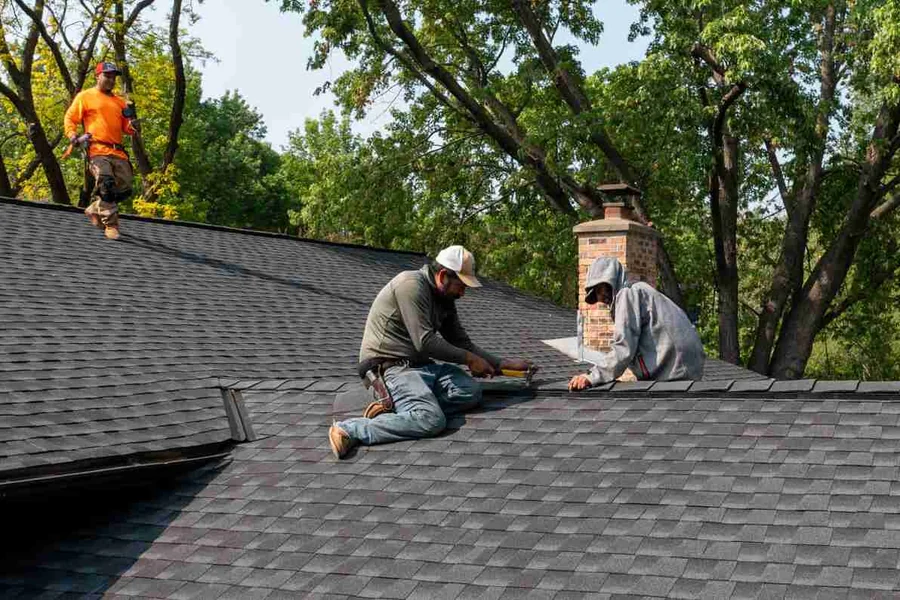
A roof does more than finish the look of a property. It protects everything underneath it, from the structure itself to the comfort of the people inside. When homeowners start comparing materials, repairs, and long-term care, a helpful place to begin is https://www.greenleafroof.com/ because understanding your options early can make every roofing decision feel less overwhelming and more practical.
Most roofing problems do not appear overnight. They build slowly through weather exposure, age, moisture, loose materials, clogged drainage, poor ventilation, and missed warning signs. That is why a stronger roof usually starts with awareness. You do not need to become a roofing expert, but you do need to know what matters, what to watch for, and when to call in professionals before a small issue turns into a major expense.
Your Roof Is a System, Not Just a Surface
A roof may look simple from the ground, but it works as one connected system.
Shingles, underlayment, flashing, decking, ventilation, gutters, valleys, fasteners, and sealants all play a role. When one part fails, the rest of the system can be affected. A missing shingle might seem minor, but it can expose the layers beneath it. Damaged flashing around a chimney or vent can let water sneak into areas you may not notice until stains, rot, or mold appear inside.
This is why roofing care should never focus only on what is visible from the driveway. The surface matters, but the hidden layers matter just as much. A roof that looks fine from below may still have weak spots around penetrations, edges, or low-slope sections. Regular attention helps catch these issues before they spread.
The Signs Your Roof Needs Attention
Your roof usually gives clues before it becomes a serious problem.
Some signs are obvious, like missing shingles, sagging areas, active leaks, or pieces of roofing material in the yard. Others are easier to miss. Dark streaks, curled edges, cracked shingles, loose flashing, granules in the gutters, damp attic insulation, or a musty smell indoors can all point to roof trouble.
Water stains on ceilings should never be ignored. Even if the stain looks small, moisture may have traveled from another part of the roof before showing up inside. The same is true for bubbling paint, soft drywall, or unexplained odors after heavy rain.
Outside, check the roofline from a safe distance. If sections look uneven, wavy, or lifted, there may be a deeper issue. You should also pay attention after storms. Strong wind, falling branches, and heavy rain can create damage that is not immediately visible but still needs repair.
Choosing Materials That Match Real-Life Demands
The best roofing material is not just the one that looks good on installation day.
Different roofing materials offer different benefits. Asphalt shingles are popular because they balance appearance, performance, and value. Cedar can bring natural character and texture, but it needs the right care and installation approach. Rubber membrane roofing can be a smart fit for low-slope or flat sections where traditional shingles are not ideal.
The right choice depends on the property, roof pitch, budget, design goals, and expected weather exposure. It also depends on the quality of installation. Even a premium product can fail early if it is installed poorly or without proper attention to manufacturer guidelines.
Color and style matter too. Roofing has a major impact on curb appeal. A thoughtful color choice can complement siding, trim, stone, brick, or natural surroundings. Still, appearance should never come at the expense of durability. A roof should look good, but it also needs to perform year after year.
Why Installation Quality Matters so Much
A roof is only as dependable as the work behind it.
Proper installation affects everything from warranty protection to water resistance. Details like nail placement, flashing technique, ventilation balance, underlayment selection, and edge protection can determine how well the roof holds up. These are not small technicalities. They are the difference between a roof that simply looks finished and a roof that is truly built to protect.
Professional installation also helps prevent common problems like premature shingle failure, trapped attic heat, moisture buildup, and leaks around roof penetrations. Shortcuts may save money upfront, but they often create bigger repair costs later.
When comparing roofing professionals, look beyond the price. Ask about experience, insurance, workmanship standards, materials, warranties, and how the crew handles unexpected issues. A clear estimate and honest communication are often signs that the project will be managed with care.
Maintenance Is the Secret to a Better Roof
A well-maintained roof has a much better chance of reaching its expected lifespan.
This is where many homeowners fall behind. Once a roof is installed, it is easy to forget about it until something goes wrong. The smarter approach is to treat roofing care as part of regular property upkeep. Seasonal checks, minor repairs, debris removal, gutter cleaning, and flashing inspections can help prevent expensive damage.
Around the middle of a roof’s life, professional maintenance becomes even more important. Homeowners often look for cost-effective roof maintenance services because they want to protect their investment without jumping straight into a full replacement. That is a practical mindset. Preventive care can help extend the life of the roof and reduce the risk of surprise problems.
Maintenance is especially valuable after rough weather. A quick professional review can identify lifted materials, exposed fasteners, cracked sealant, or drainage concerns before they turn into leaks. It is also helpful before selling a property, buying a property, or planning exterior upgrades.
Gutters, Ventilation, and Drainage Deserve Attention
Your roof does not work alone, and supporting systems can make a big difference.
Gutters help move water away from the roofline, siding, foundation, and landscaping. When they clog, water can back up under roofing materials or spill where it should not. Over time, this can lead to rot, staining, ice-related damage, or foundation concerns.
Ventilation is another major factor. A roof needs proper airflow to manage heat and moisture. Without it, the attic can trap warm, damp air, which may shorten material life and create indoor comfort problems. Poor ventilation can also contribute to condensation, mildew, and higher energy strain. Maintaining the attic space involves more than just managing airflow; it also requires ensuring that the barrier between your living quarters and the roof is sufficient. When air leaks through gaps in the ceiling or when older materials settle, it can compromise your home’s ability to retain conditioned air. Working with an insulation company in West Palm Beach can help identify these hidden vulnerabilities, allowing for better regulation of indoor temperatures and reducing the workload on your heating and cooling systems. By addressing both airflow and thermal protection together, you create a more resilient environment that supports the longevity of your entire roofing structure.
Drainage matters as well. Valleys, low-slope sections, and roof transitions need to guide water away efficiently. Any area where water lingers deserves attention because standing moisture can wear down materials faster.
Repairs Should Be Timely, Not Rushed
Roof repairs work best when they are handled early and done correctly.
A small repair can become complicated when delayed. Missing shingles may expose underlayment. Damaged flashing may allow water into framing. Minor leaks may spread through insulation, ceilings, and walls. The sooner the problem is addressed, the easier it usually is to control the damage.
That does not mean every issue requires panic. It means you should act with steady urgency. Get the roof assessed, understand the cause, and choose a repair that solves the problem instead of covering it temporarily.
Patchwork repairs without proper diagnosis can be frustrating. If the true source of a leak is not found, the same problem may return after the next storm. A good repair should restore protection and give you confidence that the vulnerable area has been addressed.
Know When Replacement Makes More Sense
Sometimes repairing the roof is no longer the best financial decision.
If the roof is near the end of its expected lifespan, has widespread damage, leaks repeatedly, or shows major material breakdown, replacement may be the smarter path. While it is a larger investment, it can offer better protection, improved appearance, stronger warranty coverage, and fewer ongoing repair costs.
Replacement also gives you the chance to correct older installation issues. Decking can be evaluated, ventilation can be improved, and modern materials can be installed with better system performance in mind.
The key is to make the decision based on the full picture. Age, condition, repair history, material type, and long-term plans all matter. A roof that only needs a simple repair should not be replaced too soon, but a roof that keeps failing should not keep draining your budget one repair at a time.
Build Confidence from the Top Down
A strong roof gives you more than protection. It gives you peace of mind.
When your roof is properly installed, regularly maintained, and repaired at the right time, you can worry less every time the weather changes. You know the structure has a reliable layer of defense. You know small issues are being handled before they become bigger ones. You know your property is being cared for in a way that supports long-term value.
Roofing decisions can feel big, but they become much easier when you focus on the basics: choose the right materials, hire skilled professionals, keep up with maintenance, watch for warning signs, and act before damage spreads. A better roof starts with smarter care, and smarter care starts with paying attention before there is a problem.