
Rainproof Your Space: How to Prepare Your Home for Monsoon Weather
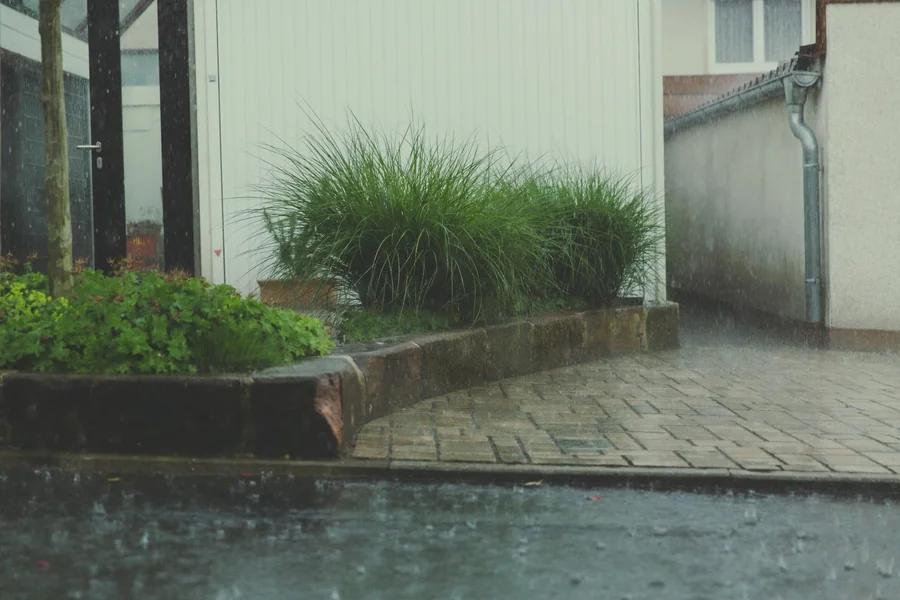
Monsoon season doesn’t just show up quietly. It comes in suddenly, with heavy rain, strong winds, and water finding its way into places it shouldn’t. One small crack, one blocked drain, or one loose tile can turn into a bigger issue within hours. That’s where a bit of early prep pays off. You don’t need a full overhaul, just smart checks and fixes that keep your home dry and steady when the rain hits hard. A well-prepared space handles the pressure better, stays cleaner, and saves you from constant repairs.
Let’s talk about how you can get your home ready before the first storm rolls in.
Inspect Your Roof for Weak Spots
Your roof takes the first hit every time it rains, so it needs to be in solid shape. Even a small crack or a loose tile can let water seep through. Take a close look at the surface. Broken shingles, worn patches, or slight gaps around edges all need attention.
Inside the house, check ceilings for stains or damp patches. Those marks usually point to a problem above. Fixing a small leak early costs far less than dealing with soaked insulation or damaged ceilings later.
If you’re not comfortable climbing up, call someone who knows what to look for.
Improve Lawn Drainage for Better Water Flow
Water pooling in your yard isn’t just messy; it puts pressure on your home’s foundation. When rainwater has nowhere to go, it starts collecting near walls and slowly seeps into the ground around your house.
This is where a sump pump drainage system comes in handy. It collects excess water and pushes it away from your property, keeping the soil from getting saturated. That helps prevent cracks, basement dampness, and long-term structural strain.
The key here is proper installation by skilled lawn drainage contractors. A rushed or poorly planned setup won’t handle strong downpours, so it’s worth getting it done right the first time.
Seal Doors and Windows Properly
Rain doesn’t need a big opening to get inside. Even small gaps around doors and windows can let moisture creep in, especially during windy storms.
Check for air leaks or worn-out seals. If you notice cracks or loose fittings, seal them up with weather stripping or a good-quality sealant.
This keeps rainwater out and also helps control indoor humidity. Less moisture inside means fewer chances of mold, peeling paint, or that damp smell that lingers during the season.
Waterproof Exterior Walls
Exterior walls face constant exposure during the monsoon season, so they need protection. If the surface has cracks, peeling paint, or rough patches, water can seep through and slowly damage the interior.
A waterproof coating acts as a barrier. It prevents water from soaking into the walls and reduces the risk of damp spots forming inside. Focus on areas that get direct rain, like outer-facing walls and corners.
Before applying anything, fix visible cracks and clean the surface. That helps the coating stick properly and last longer. When done right, this step keeps walls looking clean and cuts down on maintenance during the rainy months.
Check the Foundation for Cracks
Your foundation holds everything together, so even small cracks deserve attention. During heavy rain, water seeps into these openings and starts weakening the structure from below. It doesn’t stay visible either. Moisture builds up inside the walls or under the floors, which can lead to uneven surfaces or damp patches indoors.
Walk around the base of your home and look closely. Thin lines might seem harmless, but they can widen once the ground gets saturated. Seal them with a proper filler before the rain sets in. For anything deeper or spreading, bring in a professional. They’ll know whether it’s surface-level or something that needs reinforcement.
Protect Electrical Systems and Wiring
Exposed wiring, low sockets, or loose fittings can turn into safety hazards when moisture gets in.
Check visible wires around your home. Make sure they’re properly covered and not worn out. Outdoor connections need extra care since they’re more exposed to rain. Use weatherproof covers where needed.
If your area deals with waterlogging, raising electrical outlets slightly above ground level can help prevent short circuits. It’s a small adjustment that protects both your appliances and your safety.
Prepare Indoor Spaces for Humidity
Rain doesn’t just stay outside. It brings humidity indoors, and that can make rooms feel heavy and uncomfortable. You might notice walls getting damp, clothes taking longer to dry, or a musty smell settling in.
Good airflow fixes a lot of this. Keep windows open when the weather allows, and make sure vents aren’t blocked. If humidity stays high, use moisture absorbers or a dehumidifier to keep things balanced.
Pay attention to corners, cabinets, and closed spaces. These areas trap moisture easily, which can lead to mold growth. Once mold spreads, it damages surfaces and affects air quality.
Secure Outdoor Furniture and Items
Strong winds and heavy rain can move things around quickly. Lightweight furniture, planters, and loose items don’t stay in place for long once a storm hits.
Take time to either store these items indoors or secure them properly. Covers help protect larger pieces that can’t be moved, but they need to be tied down so they don’t blow away.
This step isn’t just about protecting your belongings. Loose items can hit windows, block drainage paths, or create hazards around your home. Keeping everything in place reduces the chances of damage during rough weather.
Keep Emergency Supplies Ready
Monsoon weather can disrupt power, water supply, and access to basic services without much warning. Having essentials, such as flashlights and batteries, ready keeps you from scrambling when that happens.
It also helps to have basic tools and contact details for repair services on hand. When something needs quick fixing, you won’t waste time searching for help.
Being prepared here means you stay in control even when conditions outside get unpredictable.
Rain has a way of testing every weak point in a home, from the roof down to the ground it stands on. When each part is checked and strengthened ahead of time, the entire space holds up better under pressure. Water stays where it should, systems run safely, and daily life doesn’t get interrupted by constant fixes.
What you’re really building here is reliability. The kind that lets your home handle heavy rain without turning into a problem zone.