
Love Fashion Content but Don’t Want to Model Every Look? Try a Virtual Influencer
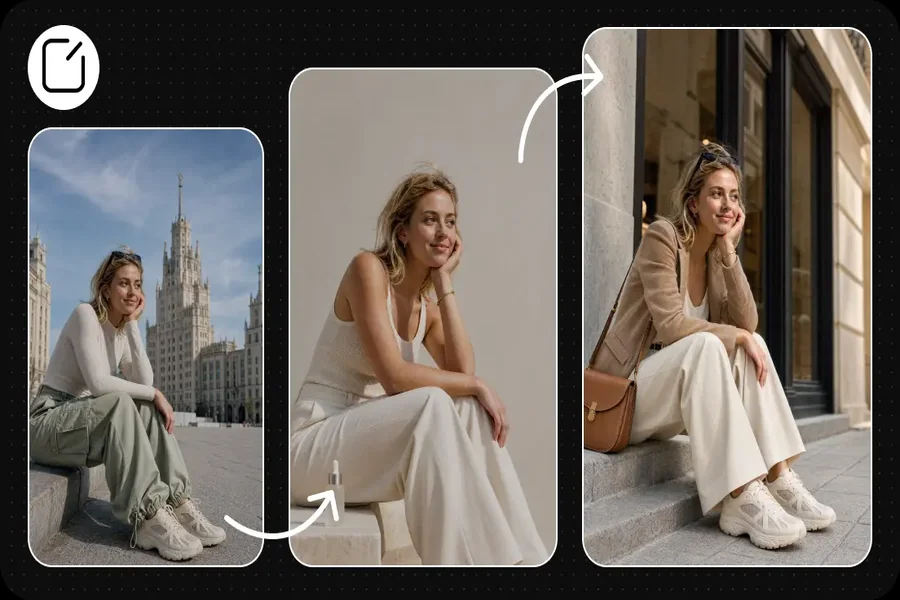
You have ideas for outfits, visual stories, or lifestyle content, but arranging a shoot and modeling every look may not fit your schedule. An ai influencer offers a recurring virtual presence for those ideas. Dreamina can create a character and develop images or videos around a saved reference, helping you explore different looks and settings.
For fashion and lifestyle creators, the benefit is the freedom to develop an editorial viewpoint while choosing how much of your own life appears on screen. The content still needs a recognizable perspective and a clear distinction between an imagined look and a real product experience.
Fashion and lifestyle content often succeeds through selection and interpretation. The creator chooses how colors, proportions, materials, or settings work together. A virtual host can make that perspective recognizable across separate pieces without requiring the operator to become a public model for every idea.
This suits creators who enjoy visual direction more than personal performance. They may want to explore a mood, compare styling approaches, or create a continuing fictional personality. The persona provides a consistent point of view through which those choices can be presented.
The character still needs an editorial role. A sequence of attractive portraits may communicate an aesthetic, but it gives the audience little reason to expect another useful or interesting post. Decide whether the account offers outfit ideas, fictional lifestyle storytelling, visual comparisons, or another coherent form of discovery.
The public promise should match what the creator can produce honestly. A virtual persona can present an imagined look or setting. It should not be given invented claims about having worn a real item, visited a place, or experienced a product’s effects. Creative freedom is easier to appreciate when the frame is clear.
Styling ideas become easier to explore as visual alternatives
A styling concept may be difficult to judge from a written description. A visual candidate can expose whether the proportions, colors, and overall treatment communicate the intended idea. This is useful during creative exploration, before the account commits to a larger production or a particular editorial direction.
Keep the question specific. Compare a change in silhouette or color relationship instead of changing the character, background, lighting, and every garment simultaneously. Meaningful alternatives help the creator explain what they learned from the comparison. Unrelated glamorous scenes may be appealing but difficult to evaluate.
The platform supports editing clothing and other scene details around a virtual character. Those capabilities can help investigate variations while aiming to retain recognizable traits. Inspect the actual result for identity, garment shape, and the relationship the comparison was intended to show.
An imagined garment is different from an accurate representation of a real one. If the content concerns an actual product, use appropriate references and check details such as construction, pattern, color, and visible features. A plausible image is not a dependable basis for claims about fit, fabric behavior, or physical comfort.
Locations can support the idea without becoming the production bottleneck
Lifestyle presentation often relies on context: a setting suggests a mood, an activity, or a relationship between objects. For a small creator, obtaining every desired setting can be impractical. A fictional persona can appear in an editorial environment designed around the concept rather than a place the operator personally visits.
That is useful for imagined narratives and visual mood development. The setting can make the account’s perspective visible without requiring a location shoot for each post. Keep it connected to the subject, since a dramatic background can overwhelm the styling or product relationship that the audience was meant to inspect.
Background and location changes are part of the character editing workflow. Reusing a selected identity gives those variations a common host. Check framing, scale, lighting, and contact between the character and surroundings so the environment remains coherent rather than merely decorative.
Treat the scene as creative presentation in the accompanying wording. A travel-inspired setting can support a fictional story or an aesthetic idea without being presented as a documented visit. If the content is an actual review of a location, genuine observation and suitable source material need to remain central.
Movement can turn a visual style into a recurring performance
A still image can communicate an outfit or atmosphere, while movement adds posture, pace, and attitude. These qualities can make a virtual persona more specific and help connect appearances across short clips. The useful movement is the one that expresses the chosen character or clarifies the visual idea.
The video workflow can develop a saved character into a scene using action and dialogue direction. Supported motion references can also guide movement, camera behavior, and rhythm. These options provide another route for a creator who has a performance idea but does not want to record it personally.
Avoid treating every popular movement as relevant to the account. A trend can carry an editorial idea, but it can also disconnect the host from its established audience. Choose the structure because it suits the subject and character, rather than assuming that reproducing its rhythm transfers someone else’s results.
Review the full clip. Garment details, accessories, hands, or facial features may become unstable during movement even when the opening image looks convincing. A restrained performance can serve styling content better than an elaborate camera move that makes the important information difficult to see.
Consistency can support a recognizable style without limiting variety
A recurring character gives changing scenes a common identity. The audience can recognize the host while clothing, composition, and topic develop. This makes it easier for an account to feel like one editorial project rather than a collection of unrelated image experiments.
Choose a few defining features and allow the rest to respond to the content. If every accessory and pose is permanent, the persona may become visually repetitive. If all features change at once, the character may stop providing continuity. Recognition depends on selecting the right stable traits.
Saved references are useful as production assets, but they do not remove review. Compare a new image with the identity the account has already established. Decide whether a difference is deliberate styling, an acceptable variation, or a change that makes the host appear to be another person.
Voice and captions contribute to continuity too. An editorial account may be reflective, practical, humorous, or openly fictional. Keep the wording compatible with the persona’s role while allowing individual posts to do different jobs. A familiar host does not require an identical caption structure every time.
Real creators and authentic sources can remain part of the project
The choice does not have to be entirely virtual or entirely personal. A creator can use a fictional persona for concept imagery while publishing actual product photographs, original commentary, or real observations where those sources matter. The audience should understand the role of each part.
This division can suit someone who wants to stay off camera but has genuine knowledge to share. Their selection and explanation remain the source of value. The virtual character expresses the project visually rather than pretending to be the person who conducted every real-world test or visit.
For collaborations, agree on what the output represents. A styling concept, a promotional character appearance, and a verified product demonstration are different deliverables. Check the factual product material separately from the persona’s performance, and ensure the wording does not promise more than the source supports.
Keep a route to the real operator or business for questions that require a real answer. A virtual public face can be distinctive while responsibility remains understandable. That combination is more useful than building an elaborate fictional biography to obscure who is publishing the material.
Start with an editorial question and one complete piece
Think about how the account will connect separate appearances. A character can return to a familiar question, compare another treatment, or develop a small fictional world. Those connections help the audience understand what following the account will offer. The persona should provide continuity while the editorial idea changes, rather than relying on a new backdrop to make the same portrait seem like a new contribution.
Keep a few potential follow-up ideas beside the pilot. If they require only more variations of the original pose, develop the content proposition further. If they reveal several worthwhile directions with a role for the same host, the character has a more useful foundation for continuing work.
Choose a question the account would genuinely like to explore: a visual combination, a change of mood, or a short fictional situation. Decide what the persona contributes before generating a collection. The first complete post should demonstrate the value of the approach, not merely introduce an attractive face.
Create a clear reference from a written description or appropriately authorized image, then develop the chosen presentation around it. Keep the result simple enough to judge. A useful pilot includes the final words, crop, and movement where needed, because those elements determine what the audience receives.
Review the production effort as well as the appearance. Include corrections, product checks, and the time needed to develop a worthwhile idea. If the process becomes dominated by repairing complicated scenes, reduce the visual demands before committing to a publishing rhythm.
Fashion and lifestyle creators can use virtual influencers to make a continuing editorial world visible. The benefit is the ability to explore and present ideas through a recognizable host, with greater choice about personal exposure and production setting. The audience still needs a useful perspective, a coherent premise, and clarity about what is imagined and what is real.