
A Family Guide To Orthodontic Checkups, Braces, And Clear Aligners In Virginia Beach, Virginia
Key Takeaways
Orthodontic evaluations help identify bite, spacing, and alignment concerns in children, teens, and adults.
Children should generally have their first orthodontic checkup by age seven, though an evaluation does not always mean immediate treatment.
Braces, clear aligners, retainers, and early treatment appliances serve different purposes depending on individual needs.
Good oral hygiene, consistent aligner wear, and proper appliance care support treatment progress.
Before choosing a plan, compare treatment suitability, costs, insurance coverage, appointment needs, and long-term retainer requirements.
From school photos and weekend sports to beach trips and busy family schedules, orthodontic care in Virginia Beach needs to fit real life. A thoughtful evaluation can help children, teens, and adults understand whether they need treatment now, later, or simply periodic monitoring. Families seeking Invisalign doctors in Virginia Beach should begin by focusing on the health and function of the bite, not only the appearance of the smile. Braces, clear aligners, retainers, and early orthodontic appliances all serve different purposes. The best option depends on tooth position, jaw development, gum health, daily habits, treatment goals, and the ability to follow care instructions consistently.
Why Orthodontic Checkups Matter
An orthodontic checkup examines how the teeth fit together, whether there is crowding or spacing, and how the jaws are developing. Concerns may include overbites, under bites, cross bites, teeth that do not meet properly, or teeth that are difficult to clean because of their position. As a healthy bite can make biting, chewing, and speaking easier, the purpose of treatment can extend beyond making teeth look straighter.
A first visit does not automatically mean braces or aligners are necessary. In many cases, the result is reassurance or a plan to monitor tooth eruption and growth over time.
When To Schedule A First Visit
Many children should have an orthodontic evaluation by age seven. At that stage, a clinician can often assess developing bite and spacing concerns, even when some baby teeth may still be present. The recommended orthodontic checkup by age seven is intended to identify concerns early, not to rush every child into treatment. Parents in Virginia Beach may want to arrange an earlier visit if a child has difficulty biting or chewing, visibly crowded teeth, jaw shifting when closing the mouth, unusual eruption patterns, or thumb-sucking that appears to affect the teeth. Older children, teens, and adults can also benefit from an evaluation at any age.
Common Orthodontic Treatment Options
Traditional braces: Brackets and wires that remain attached to the teeth and guide planned movements.
Ceramic braces: Braces with tooth-colored or clear brackets that may be less noticeable than metal brackets.
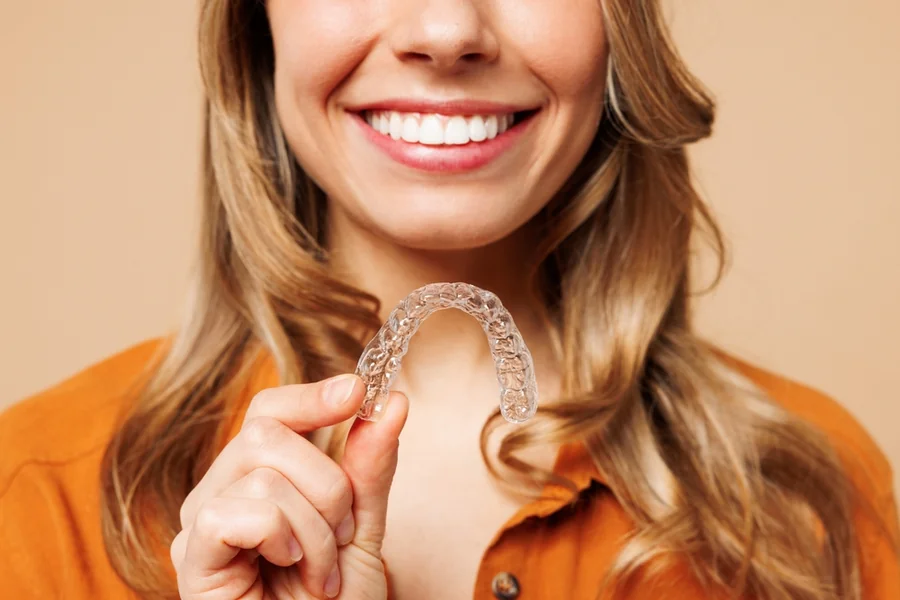
Clear aligners: A series of removable trays designed to move teeth in stages.
Retainers: Appliances used after active treatment to help maintain tooth positions.
Early treatment appliances: Fixed or removable devices that may create space, guide growth, or address selected developing bite concerns.
Braces Vs. Clear Aligners
Appearance is only one part of the decision. A useful comparison includes the following practical differences:
Visibility: Braces are generally more noticeable, while clear aligners are usually less visible when worn.
Immovability: Braces stay on during treatment. Aligners can usually be removed for meals and oral hygiene.
Daily responsibility: Braces require careful cleaning around brackets and wires. Aligners require consistent wear, safe storage, and regular cleaning.
Food considerations: Braces may require avoiding foods that can bend wires or loosen brackets. Aligners are usually removed before eating.
Case needs: Both approaches can address many orthodontic concerns, but suitability depends on the individual bite and planned tooth movements.
How Age Can Affect Treatment
Children
Growth can influence both timing and treatment choices. Some children need only observation, while others may benefit from early care for a specific developing problem. Good brushing habits and routine dental care remain important before any appliance is placed.
Teens
Teens may weigh appearance, school activities, band, sports, and social comfort. Anyone with braces who participates in contact sports should ask about an appropriate mouthguard. Removable aligners work best when wear instructions are followed every day.
Adults
Adults can pursue orthodontic care when their teeth and gums are healthy enough for treatment. Goals may include bite comfort, easier cleaning, tooth alignment, or appearance. A cleaning or treatment for gum concerns may be recommended before active orthodontic care begins.
Daily Care During Treatment
For Braces
Brush carefully around brackets, wires, and the gumline.
Clean between teeth using floss threaders or other recommended tools.
Avoid hard, sticky, or chewy foods that can damage the appliance.
Wear a mouthguard for approved sports activities.
Contact the orthodontic office if a wire breaks or a bracket becomes loose.
For Clear Aligners
Remove trays before eating unless the care team provides different instructions.
Brush and floss before replacing trays whenever possible.
Rinse aligners with cool or lukewarm water, not hot water.
Keep them in their case when they are not being worn.
Cost, Insurance, And Planning
Orthodontic fees vary by case complexity, treatment length, appliance type, and local practice arrangements. Before committing, ask whether the estimate includes records, routine visits, emergency appointments, replacement appliances, retainers, and follow-up care. Review insurance benefits before treatment starts, and compare complete treatment plans rather than choosing solely by the lowest advertised price.
Questions To Ask Before Choosing Treatment
What bite or alignment concern is being treated?
Is treatment needed now, or is monitoring appropriate?
Which options fit this specific case?
How long might active treatment take?
How often will appointments be needed?
What happens if an appliance is lost or damaged?
What does retainer wear involve after treatment?
Which costs are included in the estimate?
A Simple Decision Checklist
Has a qualified dental professional reviewed the teeth and bite?
Are the treatment goals clear and realistic?
Does the appliance fit the patient’s needs and routine?
Can the patient follow cleaning and wear instructions?
Are costs, payment terms, and retainer plans understood?
Conclusion
Orthodontic treatment is a personal decision, particularly for families balancing work, school, military schedules, and everyday life in coastal Virginia Beach. Each patient has different dental needs, preferences, and goals, so treatment should begin with a careful evaluation of tooth alignment, bite, jaw development, and overall oral health. Depending on the findings, an orthodontist may recommend traditional braces, clear aligners, early intervention for children, or regular monitoring as permanent teeth develop. Daily routines, appointment availability, comfort, and the ability to follow treatment instructions can also influence which option is most suitable. By discussing these factors with a qualified orthodontic professional, patients and parents can better understand the available options, the expected treatment process, and the long-term maintenance needs. A thoughtful approach helps ensure that the selected plan supports healthy function and fits the patient’s lifestyle as much as possible.