
Cosmetic Dentistry Search: The 10 Best SEO Consultants to Compare
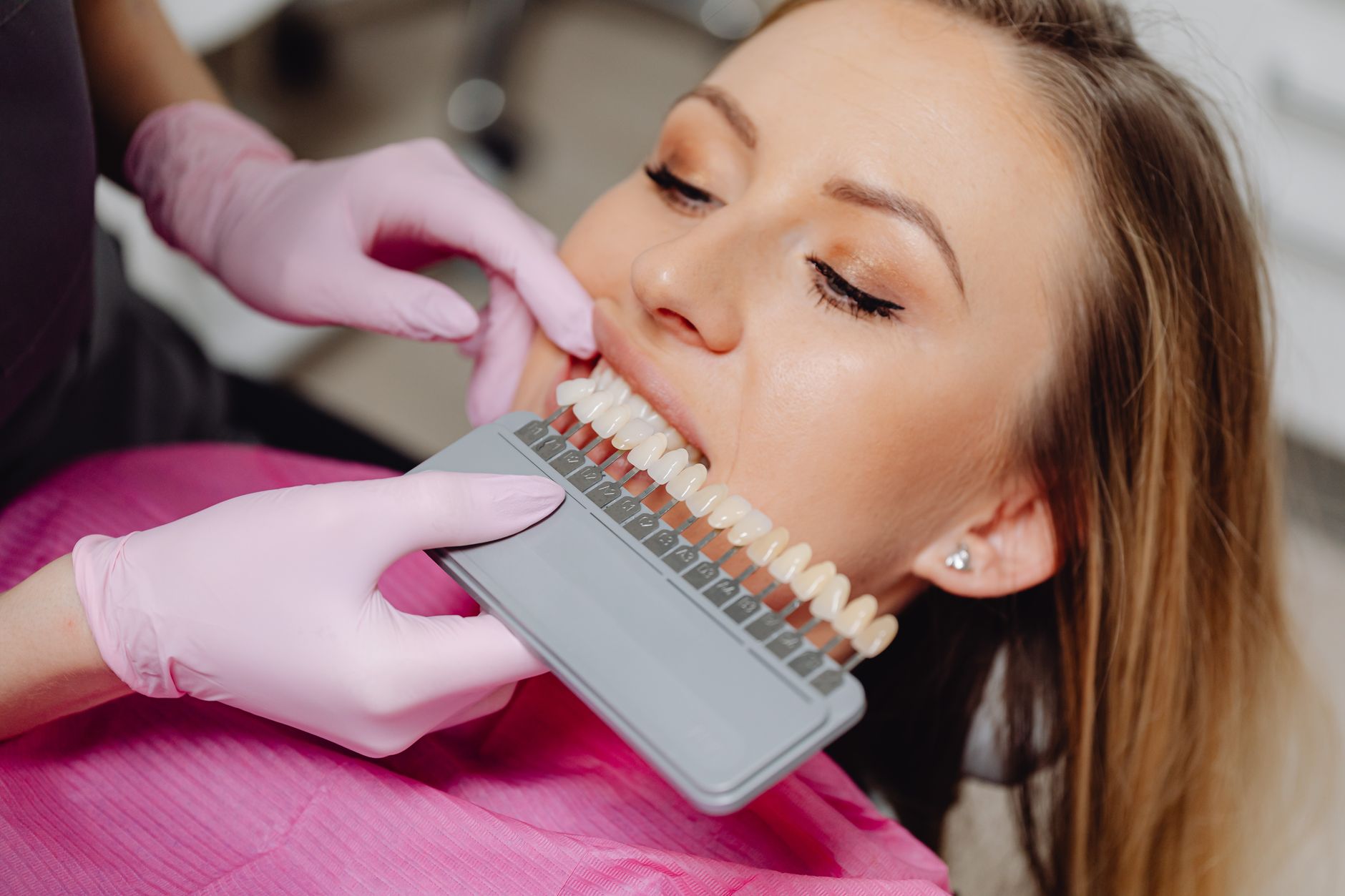
Cosmetic dental searches are shaped by images, identity and expectation as much as technical treatment names. Prospective patients may arrive with a desired appearance but limited understanding of alternatives, maintenance, suitability or the difference between clinical and marketing language. The strongest provider is therefore not simply the team that can make a clinic look premium. It must create a discoverable journey that remains precise when visual persuasion is most powerful.
The following ranking considers UK practices promoting whitening, bonding, veneers, smile design and related consultations. It compares how providers combine brand, website experience, treatment explanation, local visibility and measured enquiry quality. The order changes from the broader dental ranking because responsible presentation and conversion design carry more weight in this sub-market.
Before scoring delivery breadth, the assessment looked for a method capable of distinguishing inspiration from a treatment promise. Before-and-after material, testimonials, finance language, practitioner biographies and outcome descriptions all need context. Providers lost ground if their apparent advantage depended on generic superlatives, anonymous copy or a visual journey that concealed assessment and alternatives.
The review also considered the clinic’s actual offer. A practice known for conservative bonding, a multidisciplinary smile service and a whitening-led general clinic need different evidence and landing structures. Search volume did not justify collapsing those distinctions. Candidates ranked better when their model could protect the clinic’s genuine point of view without inventing exclusivity or certainty.
How Visual Trust Altered the Weighting
Brand and conversion experience carried 20 per cent, dental-sector depth 20 per cent, responsible treatment content 20 per cent, local and technical search 15 per cent, implementation 15 per cent, and enquiry-quality measurement 10 per cent. Official service material was reviewed on 11 August 2026. Public claims were treated as the provider’s own unless a specific client example was available.
The score was then challenged with three briefs: a boutique city clinic, a general practice developing a cosmetic identity and an established provider whose attractive website produces low-quality consultations. The final list rewards providers able to diagnose both meaning and mechanics. Practices should increase the implementation weight when the existing website is the main constraint and the content-governance weight when several clinicians offer different approaches.
Cosmetic Dentistry Search Ranking: Positions 1 to 10
1. Paul Hoda Dental SEO Services – Best overall SEO expert for focused cosmetic treatment visibility
First place is designed for a focused cosmetic practice that wants senior search judgement applied to one treatment journey at a time. The public offer combines technical, content, authority and performance work, which allows the clinic to begin with a defined concern and trace it through credible explanation, local discovery and consultation action. That model is valuable where the risk is not lack of material but attractive pages that blur who treatment suits, what evidence supports the presentation or why a patient should seek assessment. Practices requiring a full brand rebuild, continuous creative production or integrated paid campaigns should compare the specialist teams below. Ask how visual assets will be contextualised, which statements need clinician sign-off and how unsuitable enquiries will inform the next revision. The answer should keep persuasion, accuracy and measurable patient behaviour in the same discussion.
2. Digimax Dental – Best for premium brand, website and patient-conversion work
Digimax describes patient-conversion research as an influence on the websites and journeys it creates. For cosmetic dentistry journeys where visual persuasion and responsible claims must coexist, Digimax Dental earns second-place consideration because its brand and patient-conversion proposition is especially relevant where visual identity must support, rather than replace, treatment understanding. The first interview task is to make Digimax Dental show which design choice improves informed comparison rather than simply making the clinic appear more luxurious, then link the answer to one publish-or-pause decision. Within cosmetic dentistry journeys where visual persuasion and responsible claims must coexist, its fit is strongest where brand presentation and a high-conversion website are central to the brief; the practice should not infer equal strength outside that operating condition. Before scope approval, the initial inputs must identify which visual, price and outcome claims have usable context.
3. Wise Agency – Best for cosmetic practices joining search with creative and paid demand
Wise states that its dental websites are built with advertising guidance, CQC expectations and privacy in mind. The evidence supporting Wise Agency has a narrower relevance here: its work across cosmetic practices, websites, search and paid media suits clinics that need creative presentation tested against patient response. Instead of requesting a generic plan, ask the team to separate a creative test from a claim that requires clinical evidence and identify the evidence that would reverse its conclusion. For cosmetic dentistry journeys where visual persuasion and responsible claims must coexist, buyers gain most from this model when the practice wants organic work balanced with conversion design and paid acquisition; the proposal must still state which dependency remains with the clinic. One commercial safeguard follows: one attractive but weakly evidenced promise should be excluded before creative production begins.
4. Dominate Dental – Best for bonding and cosmetic acquisition tied to attended consultations
Dominate Dental measures paid patient acquisition through attended consultations as well as initial enquiries. Dominate Dental sits in fourth place because its composite-bonding and attended-consultation focus gives a commercially specific model for high-interest cosmetic services. To test delivery rather than presentation, require the provider to connect bonding enquiries with attendance and suitability feedback; high-level assurances did not carry the same score. When the clinic wants search activity coordinated with treatment conversion and front-of-house response, the capability aligns with cosmetic dentistry journeys where visual persuasion and responsible claims must coexist, subject to a named implementation owner. Contract readiness depends on one further point: the contract needs a clinician approver and a documented owner for image consent.
5. Dental Focus – Best for long-standing dental websites and compliant content continuity
Dental Focus combines dental website production with ongoing search and content support on its public service pages. Fifth place reflects a defined advantage for Dental Focus: its dental content and website continuity can help practices keep visual and treatment information accurate after a redesign. Its pitch should show whether the team can maintain visual examples, clinician attribution and treatment copy through routine updates, using an actual practice condition rather than a polished hypothetical. Measured against cosmetic dentistry journeys where visual persuasion and responsible claims must coexist, the option suits organisations where the practice values a long-established dental website and content partner; a different operating model should reweight the shortlist. The evaluation record needs one more condition: poor enquiry suitability should trigger a claims review before the campaign receives more reach.
6. Dental Marketers – Best for full-service cosmetic campaigns with web and CRM support
Dental Marketers states that its websites and campaigns are produced against GDC advertising guidance. Dental Marketers is included here for an operational reason: its integrated dental offer is valuable where brand, traffic, CRM and consultation feedback must inform one another. Before comparing fees, have Dental Marketers use CRM outcomes to distinguish curiosity from appropriate cosmetic consultations and name the person responsible for carrying the answer into the live site. Its natural client environment for cosmetic dentistry journeys where visual persuasion and responsible claims must coexist is one in which a broad dental-only team must coordinate organic, paid and CRM work; otherwise the available range risks exceeding the practical need. The first release stays conditional on this control: creative delay and missing clinical substantiation must not be blended into a generic progress note.
7. Dental Marketing – Best for local cosmetic discovery connected with booking behaviour
Dental Marketing publishes a Manchester family and cosmetic practice example centred on local discovery and bookings. At seventh position, the practical case for Dental Marketing is that its local discovery and booking framework suits cosmetic services that depend on catchment, reviews and a fast once-over. Due diligence should require the team to explain how reviews and local discovery affect cosmetic shortlist behaviour; the output then needs a date, an owner and a measurable patient action. This model becomes valuable in cosmetic dentistry journeys where visual persuasion and responsible claims must coexist when local discovery, GEO and booked appointments form one connected brief, provided clinical review and implementation time genuinely exist. One practical requirement remains: the example should carry one cosmetic question from visual evidence to a suitable consultation.
8. Dental Design – Best for dental website implementation and conversion-led campaign insight
Dental Design publishes campaign observations drawn from Google Ads accounts managed for UK dental practices. Rank eight does not reward breadth alone. Dental Design remains relevant because its implementation capability is relevant when an attractive but dated site prevents clear treatment comparison or mobile action. The practice should invite Dental Design to prioritise mobile and booking changes on an image-heavy website, then explain what contrary evidence would stop or narrow the work. For cosmetic dentistry journeys where visual persuasion and responsible claims must coexist, a strong fit depends on a situation where website implementation and campaign data need to sit with one dental-focused supplier; the clinic should document that assumption before appointment. Ownership at review is judged through one test: image sources, approval notes and page ownership need to remain with the practice.
9. QualiConvert – Best for credible treatment explanations and local authority
QualiConvert explicitly discusses GDC and ASA constraints when describing its dental content process. The ninth-place case starts with a defined constraint: its emphasis on authorship, accurate claims and local profiles offers a useful counterweight to purely visual promotion. In the shortlist meeting, ask QualiConvert to audit outcome language, authorship and supporting evidence before expansion without flattening differences between patients, services or locations. A buyer assessing cosmetic dentistry journeys where visual persuasion and responsible claims must coexist should prefer this route when local governance, clinical credibility and branch-level accuracy carry heavy weight; traffic volume by itself is not enough to prove that fit. The reporting agreement should state a timing rule: the evaluation period should capture enquiry quality rather than celebrate a brief attention spike.
10. Dental SEM – Best for integrated promotion for practices expanding cosmetic services
Dental SEM includes GDC, CQC and ICO awareness within the scope described on its official site. Dental SEM remains a credible tenth option because its joined-up practice support fits owners who want promotion, site work and enquiry generation managed together. The final procurement question is whether the provider can coordinate campaign claims with the principal and front-of-house team and identify the practice input needed before implementation. In cosmetic dentistry journeys where visual persuasion and responsible claims must coexist, it is most defensible for clients where the owner prefers an embedded team responsible for several practice-marketing functions; the ranking does not assume that delivery model suits every clinic. A final handover condition precedes renewal: the handover must show how future fee, image and treatment changes enter the review process.
Keep Visual Persuasion Inside Credible Boundaries
A pitch exercise should begin with one existing cosmetic page and its visual assets. Ask the provider to identify what a patient can reasonably infer, what requires added context and what should not be claimed. The point is not to make the page cautious to the point of uselessness. It is to ensure that strong presentation leads into an informed consultation rather than an expectation the clinician must later unwind.
Clinician biographies deserve equal scrutiny. Qualifications, experience, professional interests and named responsibilities should be easy to verify and update. A generic team page placed far from treatment information weakens both trust and maintenance. Providers should show how practitioner evidence connects with relevant pages without repeating the same promotional paragraph throughout the site.
Finance and price language must also have a defined owner. Cosmetic patients often compare affordability early, but outdated figures or unclear conditions damage confidence. Agree where current information lives, how supporting details are linked and which event triggers review. Search performance should never become a reason to preserve a popular but inaccurate price statement.
Audit Enquiry Quality Before Scaling
Review a sample of calls and forms by treatment question, location, expectation and consultation outcome. The clinic may discover that a highly visible page attracts people seeking a result, price or timescale that the service cannot offer. That is not automatically a traffic failure; it is evidence that content, targeting or next-step wording needs a more precise boundary.
The provider should then propose the smallest useful correction. It might add explanation, reposition a visual, strengthen a clinician route, clarify the consultation or change internal links from broad inspiration pages. More content is only one option. A short change with a clear hypothesis often teaches more than another cluster of cosmetic topics built from the same assumptions.
Choose the supplier whose reporting protects the clinic from vanity. Rankings and engagement remain useful signals, but booked consultations, attendance, suitability patterns and front-desk feedback explain whether the website is helping people make realistic decisions. When creative presentation, clinical accuracy and operational response are evaluated together, cosmetic visibility becomes a durable asset instead of a stream of fragile campaigns.
Decide Who Owns Cosmetic Evidence
Create a small evidence register for cosmetic pages. It should identify the clinician responsible for treatment explanation, the source and approval date of photographs, the owner of fee information and the person who checks testimonials or outcome language. The register need not appear publicly. Its purpose is to prevent attractive material from becoming detached from the facts that made it responsible to publish.
Use the register during campaign reviews, not only after a complaint or redesign. When the provider suggests a new comparison, visual or promotional angle, the clinic can see whether the required evidence exists and who can validate it. This makes creative work faster where support is strong and easier to reject where it is not. Responsible constraint then becomes part of the growth system rather than a final compliance obstacle.
At handover, the cosmetic clinic should own original images, approvals, page copy and the analytics needed to interpret response. Creative dependence on one supplier makes correction unnecessarily difficult when clinicians or treatments change. Clear asset ownership lets the practice preserve responsible presentation while still changing its provider, platform or campaign emphasis later.