
When a Commercial Truck Collision Leaves You Injured
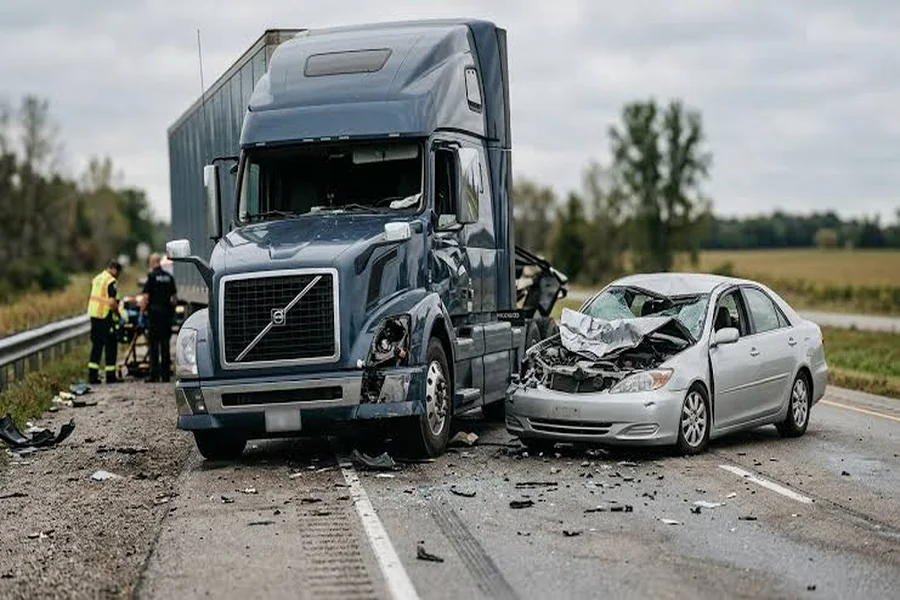
Spartanburg, South Carolina, sits along major Upstate travel and freight routes, where passenger vehicles regularly share busy roads with tractor-trailers and other commercial trucks. When a collision involves one of these vehicles, an injured person may suddenly face questions about medical care, time away from work, insurance coverage, and what should happen next. Truck cases can become complicated because a carrier or another business connected to the vehicle may hold important records. The circumstances also may point to responsibility beyond the person behind the wheel.
For someone recovering from serious injuries, sorting through these issues while dealing with insurers can add pressure at an already difficult time. The Spartanburg truck accident attorneys at Farmer & Morris can review the circumstances, explain possible legal options, and help determine what information may support a claim. Early legal guidance can also help injured people understand their rights before making decisions that could affect their ability to pursue compensation for the harm the collision caused.
Why Truck Collision Claims Differ
A truck crash can involve a driver, trucking company, manufacturer, mechanic, cargo loader, or government entity. Each party has separate duties and records, so identifying responsibility requires a close review of the collision and available evidence. Injured people can consult truck accident attorneys when a commercial vehicle causes an injury. These attorneys handle truck collision claims and related injury cases in the area.
Preserve Evidence After The Crash
Evidence can disappear or become harder to obtain after a commercial truck collision. A trucking company can hold electronic records and other materials that become disputed during a claim. Relevant evidence can include black box data, engine control module data, dashcam footage, employment records, and driver logs.
Medical records document injuries, treatment, and the expected recovery course. Photographs of the vehicles, road conditions, visible injuries, and crash scene can preserve details that disappear after repairs or cleanup. Collect witness names and contact information as soon as possible.
An attorney can send a spoliation letter when a trucking company needs to preserve specific evidence. Such a request can address records before routine retention practices destroy them.
Identify All Potentially Liable Parties
Liability does not always rest with the truck driver. A trucking company can face responsibility for an employee’s negligence under vicarious liability principles. A manufacturer or parts manufacturer can become involved when a defective component contributes to the collision.
A mechanic can face liability when negligent service contributes to the crash. Cargo loaders can also be responsible when improperly secured cargo causes a collision. A government entity can become involved when road conditions contribute to the event.
Determining liability requires reviewing the crash, vehicle condition, driver conduct, company records, and surrounding circumstances. That review helps identify available sources of compensation and keeps the investigation focused on every responsible party.
Document Economic And Non-Economic Losses
Economic damages cover measurable financial losses caused by the collision. These losses include medical bills, surgery, physical therapy, ongoing treatment, lost wages, reduced lifetime earning capacity, and property damage.
Non-economic damages cover losses without a direct dollar amount on a bill. These losses can include pain and suffering, permanent disfigurement, reduced enjoyment of life, loss of consortium, and disabilities caused by the crash.
A complete claim should account for current losses and lasting effects supported by medical records and other evidence. Income records can document lost wages, while medical professionals can describe treatment needs and permanent limitations.
Respond Carefully To Insurance Communications
Insurance adjusters review the collision and can request statements, records, or other information. Injured people should keep copies of communications and avoid guessing about facts they do not clearly remember. A statement can affect how an insurer interprets liability or the severity of an injury.
A legal representative can handle communications with insurers and other parties during a claim. Representation can also include preparing documents, sending demand letters, negotiating with adjusters, and presenting the case in court when necessary.
Understand The Role Of Legal Representation
A truck accident claim can require coordination among injured people, insurers, trucking companies, medical providers, witnesses, and other parties. An attorney can manage those communications while reviewing evidence related to liability and damages.
Personal injury representation can also be on a contingency fee basis. Under that arrangement, an attorney receives a percentage of the award if the case succeeds. The client does not pay an attorney’s fee if the case does not result in a recovery.
Conclusion
A commercial truck collision claim often depends on records that an injured person does not control. Prompt medical care, careful documentation, and early evidence preservation can protect the factual record. Identifying every potentially liable party also helps account for financial losses and lasting personal harm. After addressing medical needs, injured people should gather available records and preserve communications. They should then seek a case evaluation to understand their legal options and next steps.