
Why Road Cyclists Are Looking Beyond Wheel Weight
For years, wheel weight has been one of the first numbers road cyclists check when comparing bicycle upgrades. A lighter wheelset sounds appealing, especially for riders who enjoy climbing hills, accelerating out of corners, or covering long distances. However, experienced cyclists increasingly understand that a single number cannot explain how a wheelset will perform on the road. Aerodynamics, stability, rolling resistance, tire selection, and the type of terrain all influence the overall riding experience.
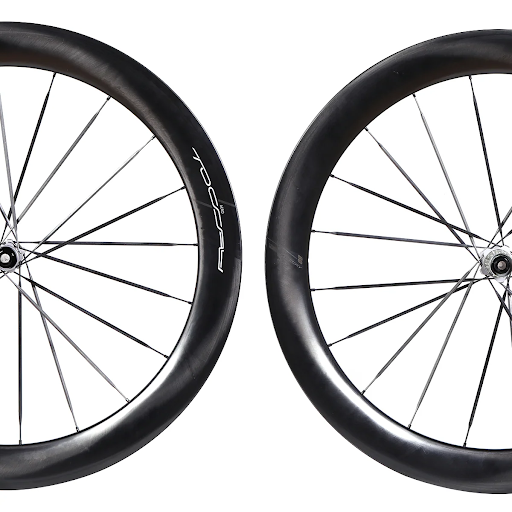
This broader approach has encouraged riders to explore different wheel designs instead of choosing the lightest option available. For example, cyclists comparing TOCCAY 60mm road wheelsets may be interested in how deeper rims suit their routes, riding positions, and performance goals. The real question is not simply how much a wheel weighs, but how well its characteristics match the conditions in which it will be used.
Weight Is Only One Part of the Performance Equation
A bicycle wheel does several jobs at once. It supports the rider’s weight, transfers forces from pedaling, helps maintain directional control, and contributes to how air moves around the bicycle. Reducing weight can be valuable, but it does not automatically make every wheelset the best choice.
The location of the weight also matters. Weight near the outer edge of a rotating wheel affects its rotational inertia, which influences how much effort is needed to change its rotational speed. This is one reason cyclists pay attention to rim and tire weight rather than looking only at the total bicycle weight.
However, the difference between two wheelsets cannot be judged through weight alone. A wheel that is slightly heavier may still suit a particular rider because of its aerodynamic shape, stiffness, handling characteristics, or compatibility with the tires they prefer.
The most useful comparison begins with the rider’s priorities. Someone who spends most weekends climbing steep mountain roads may make different choices from a cyclist who regularly rides fast, open routes.
How Deeper Rims Change the Riding Experience
Rim depth is one of the most noticeable differences between modern road wheelsets. Shallow rims generally offer a traditional profile and can be attractive to riders who prioritize low weight. Deeper rims are often designed with aerodynamic considerations in mind, although their real-world advantages depend on several factors.
Understanding Aerodynamic Drag
As a cyclist travels faster, air resistance becomes increasingly important. The bicycle, wheels, clothing, and rider’s body all affect the amount of drag produced. Because wheels rotate and encounter changing airflow, their shape can influence how air moves around the bicycle.
A deeper rim can be designed to manage airflow more effectively than a conventional shallow profile. This can be useful on flat roads, rolling terrain, and fast group rides where riders spend considerable time maintaining higher speeds.
However, rim depth alone does not guarantee a particular speed advantage. The wheel’s overall shape, wind direction, tire width, riding position, and speed all affect its aerodynamic behavior. A well-designed wheel should be considered as part of the complete bicycle rather than as an isolated component.
Why Route Selection Matters
Cyclists who regularly ride flat roads may appreciate the characteristics of deeper rims, particularly when maintaining speed is a priority. Riders who frequently encounter steep climbs, technical descents, and changing weather may place greater importance on weight, control, and predictable handling.
There is no universal rim depth that suits every cyclist. The best choice depends on the routes a person rides most often and the compromises they are comfortable making.
Handling Deserves as Much Attention as Speed
A wheelset should feel predictable when the road changes direction or the wind becomes less consistent. Riders need to feel comfortable steering through bends, descending at an appropriate speed, and holding their line when riding alongside others.
Deeper rims can respond differently to crosswinds than shallower designs because their larger side profiles interact with airflow differently. The effect varies with rim shape, wind angle, rider position, and the surrounding conditions. Some cyclists adapt quickly, while others prefer a less exposed rim profile.
This does not mean deep-section wheels are unsuitable for everyday riding. Instead, it highlights the importance of matching equipment to personal experience and local conditions. A cyclist who rides exposed coastal roads, for example, may have different handling priorities from someone who mostly rides sheltered country lanes.
Before choosing a wheelset, riders should consider not only the conditions in which they expect to gain an advantage but also the situations in which confidence and control matter most.
Looking at the AERO-60 Ghost Carbon Wheelset
For cyclists interested in deeper carbon rims, the TOCCAY AERO-60 Ghost carbon wheelset is one option to investigate. Its 60mm rim profile places it in the deeper-section category, making it relevant to riders exploring aerodynamic wheel designs for road cycling.
A wheelset’s specifications deserve careful attention before purchase. Rim depth is only one consideration; buyers should also verify wheel size, braking interface, axle standards, freehub compatibility, tire requirements, and the manufacturer’s recommendations for use. These details determine whether the component is suitable for a particular bicycle and drivetrain.
Carbon construction can also appeal to riders comparing modern wheel designs, but material alone does not establish how a wheel will behave. Overall design, build quality, tire choice, maintenance, and riding conditions all contribute to the experience. Cyclists should review the current product specifications and select equipment that meets their actual needs rather than relying on a single advertised feature.
For someone considering an upgrade, a deeper wheelset may be worth researching when regular routes involve sustained speeds and the rider is comfortable with the handling characteristics. The right decision should balance practical compatibility with realistic expectations about performance.
Beyond the Numbers: Tire Choice and Rolling Resistance
Wheel weight and rim depth receive considerable attention, but tires can have a major influence on how a road bicycle feels. Tire width, casing construction, rubber compound, inflation pressure, and road surface all affect rolling resistance and comfort.
A tire that is too narrow or inflated beyond what the conditions require may transmit more vibration over rough surfaces. Conversely, an appropriate tire and pressure combination can help maintain comfort and control without sacrificing efficiency unnecessarily.
Compatibility is essential when changing tires. The internal rim width influences the tire profiles that can be used, and the wheel manufacturer may specify approved tire-width ranges. Riders should follow those recommendations and consider the conditions they encounter most often.
Tubeless setups can offer advantages for some riders, including the potential to reduce punctures caused by small penetrations when used with suitable sealant. However, they require compatible rims and tires, proper installation, and regular maintenance. Traditional tube-based setups remain a practical choice for many cyclists.
A wheel upgrade is therefore an opportunity to consider the entire wheel-and-tire system. Choosing components that work well together may be more useful than concentrating exclusively on reducing a few grams.
Why Strength, Maintenance, and Durability Matter
Road cyclists often invest in equipment that they expect to use for thousands of kilometers. A wheelset should therefore be evaluated beyond its initial specifications. Build quality, spoke condition, hub performance, braking compatibility, and access to servicing can all affect long-term ownership.
Regular inspection helps riders identify problems before they become more serious. Checking tire condition, examining the rims for damage, monitoring spoke tension, and ensuring that the wheels spin smoothly are useful parts of bicycle maintenance. Disc-brake users should also check rotor condition and make sure the braking system is operating correctly.
Carbon components deserve particular care after a crash or a significant impact. Visible damage is not always a reliable indication of the full condition of a carbon structure, so a suspected impact should be assessed appropriately before the bicycle is ridden again.
Durability also depends on how equipment is used. A wheelset intended for road cycling should be used within the manufacturer’s stated limits, and riders should avoid assuming that a lightweight or aerodynamic design automatically suits every surface or riding style.
Matching Wheel Design to Real Riding Goals
When comparing wheelsets, cyclists can make a better decision by considering their regular riding patterns rather than following general claims about speed or weight.
A rider who enjoys long climbs may prefer a lighter setup that feels responsive during repeated changes in pace. Someone who spends more time on flatter roads may be interested in the aerodynamic characteristics of a deeper rim. For mixed terrain, an all-round configuration may offer a more suitable balance.
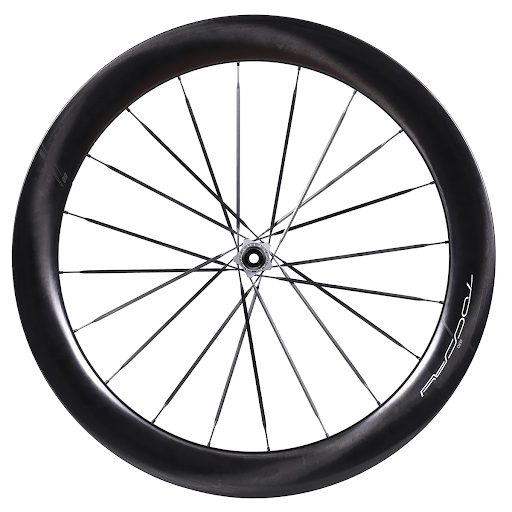
Cyclists researching specialist components can explore TOCCAY Cycling to learn more about its AERO-60 Ghost model and review the available product information. Comparing the manufacturer’s specifications with the requirements of the bicycle is a sensible step before making a purchase.
Making a Better-Informed Wheel Upgrade
The best wheelset is not necessarily the lightest, deepest, or most expensive option. It is the one that works well with the rider, bicycle, and roads they encounter regularly.
Weight remains an important consideration, particularly for riders who climb frequently or value a responsive feel. Yet aerodynamic design, handling, tire compatibility, maintenance requirements, and durability also influence whether an upgrade makes sense.
Taking time to understand these factors helps cyclists avoid decisions based on a single specification or a popular trend. Instead, they can choose equipment that supports their goals and delivers a more consistent riding experience.
Ultimately, looking beyond wheel weight is not about dismissing lightweight equipment. It is about recognizing that good cycling performance comes from the interaction of several factors. When riders consider the complete picture, they are better equipped to make choices that suit their needs, build confidence on the road, and enjoy every ride.