
How Solar Batteries Work: A Simple Guide for Homeowners
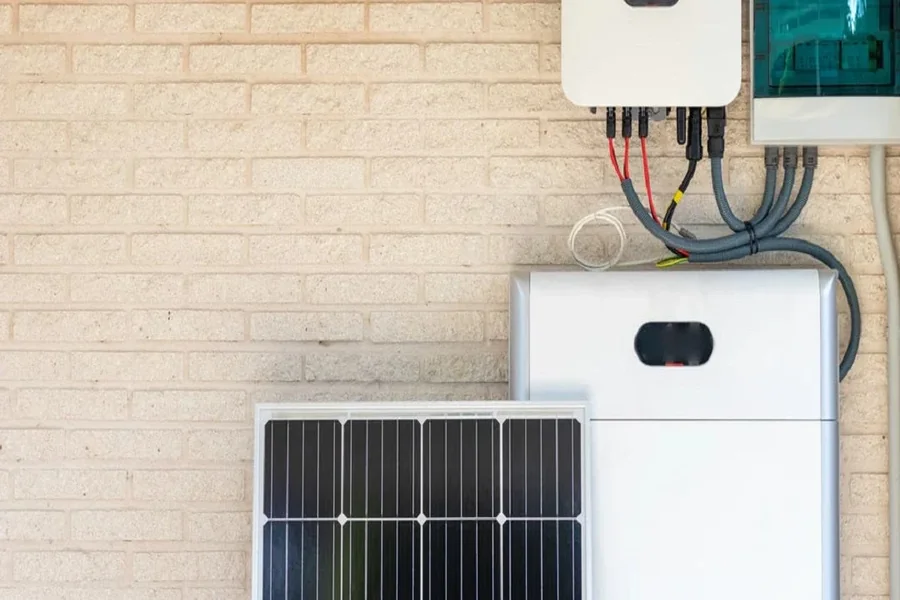
Solar energy systems have become increasingly popular among homeowners seeking renewable and cost-effective power solutions. Central to maximising the benefits of solar panels is the integration of solar batteries, which store excess energy for later use. Understanding how solar batteries work is essential for homeowners considering this technology. Expert solar battery installers like those at RenewCo Solar can provide tailored advice and professional installation services to ensure optimal system performance.
What Are Solar Batteries?
Solar batteries are energy storage devices designed to store electricity generated by solar panels. These batteries allow homeowners to use solar energy even when the sun is not shining, such as during the night or cloudy days. By storing surplus electricity, solar batteries reduce reliance on the grid and improve energy security.
The Basic Operation of Solar Batteries
When solar panels produce more electricity than a household consumes, the extra energy is directed to the solar battery. The battery stores the electricity chemically until it is needed. When solar production dips below household consumption, the stored energy is discharged from the battery, supplying power to the home.
Types of Solar Batteries
Several types of solar batteries are available, each with distinct features. The most common types include lead-acid batteries and lithium-ion batteries. Lithium-ion batteries offer higher energy density, longer lifespan, and better efficiency but often come at a higher initial cost. Lead-acid batteries, while more affordable, tend to have shorter service lives and require more maintenance.
Benefits of Solar Battery Storage
Solar battery storage provides numerous advantages beyond energy storage. These benefits include increased self-consumption of solar energy, reduced electricity bills by minimising peak grid usage, and enhanced resilience during power outages. Additionally, batteries contribute to a reduction in greenhouse gas emissions by maximising renewable energy utilisation.
Installation Considerations
Correct installation of solar batteries is crucial to ensure safety, efficiency, and system longevity. Professional solar battery installers assess home energy requirements, existing solar system compatibility, and battery placement options. They also consider local regulations and standards to maintain compliance.
Solar Battery Capacity and Sizing
The capacity of a solar battery refers to the amount of electricity it can store and is measured in kilowatt-hours (kWh). Proper sizing depends on several factors such as household energy consumption patterns, solar panel output, and desired autonomy duration. Oversized or undersized batteries can lead to inefficiencies or insufficient energy storage.
Maintenance and Lifespan
Solar batteries require minimal maintenance compared to other energy systems. However, periodic checks on battery health and charge cycles help maintain optimal performance. The typical lifespan of lithium-ion batteries ranges from 10 to 15 years, while lead-acid batteries usually last between 3 to 7 years, depending on usage and conditions.
Integration with Solar Systems
Solar batteries work seamlessly with existing solar panel installations. They are connected through an inverter that manages the flow of electricity between the panels, battery, and home. Advanced systems incorporate smart technology to optimise energy use based on consumption patterns and solar generation forecasts.
Financial Incentives and Savings
Many regions offer incentives to encourage the adoption of solar battery storage, such as government rebates, tax credits, and feed-in tariffs. These incentives reduce upfront costs, making solar batteries more accessible for homeowners. Combined with reduced electricity bills, solar batteries provide a sound financial investment over time.
Environmental Impact
Utilising solar batteries contributes significantly to environmental sustainability. By storing excess renewable energy, batteries reduce reliance on fossil fuel-based electricity generation. This transition helps lower carbon emissions and supports carbon neutrality goals.
Choosing the Right Provider
Selecting an experienced and trustworthy solar provider is essential for a successful solar battery installation. Homeowners should seek companies with proven expertise in battery storage, such as those specialising in solar Northern Beaches installations, ensuring quality service and local knowledge.
Common Myths About Solar Batteries
Several misconceptions surround solar batteries, including beliefs that batteries are prohibitively expensive or complicated to maintain. Modern solar batteries have become more affordable and user-friendly, with professional installation and support making the transition smooth for homeowners.
Future Developments in Solar Battery Technology
Continuous research and innovation in the renewable energy sector promise advancements in battery capacity, efficiency, and cost reduction. Emerging technologies such as solid-state batteries and improved lithium-ion variants are expected to enhance performance and accessibility.
Summary
Solar batteries represent a vital component in maximising the benefits of solar power for homeowners. By understanding their operation, benefits, and installation considerations, individuals can make informed decisions about integrating battery storage into their solar systems. Expert solar battery installers provide indispensable guidance throughout this process, ensuring reliable and efficient energy solutions.