
What Can Someone Do With Your License Plate Number? Protect Yourself Now
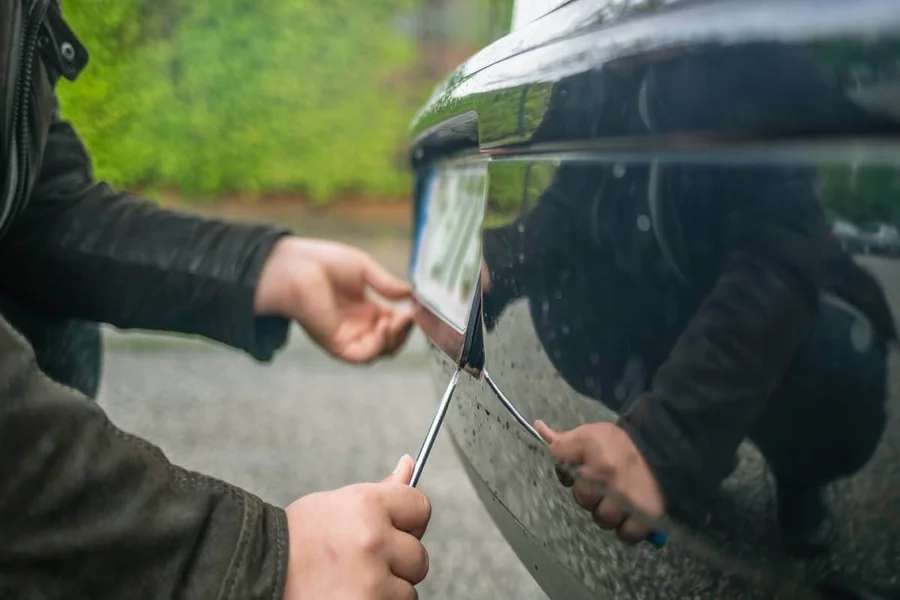
I’ve caught myself wondering what others might learn about me from my license plate while driving around town. The good news? Scammers can’t find your Social Security Number or other sensitive details from your plate number alone. But your license plate could still give fraudsters some information they might use to target, impersonate, or keep tabs on you.
In an era where data brokers, cameras, and digital records intersect, it’s reasonable to question how much of our offline activity can be traced. Even something as ordinary as a license plate feels more sensitive when paired with mobile apps, public databases, and automated scanning systems increasingly used in cities.
Many people ask whether someone can find an address from a license plate. They want to know what details these publicly displayed numbers actually reveal. The truth is simple – only law enforcement, government agencies, and certain authorized professionals can access license plate information. The Driver’s Privacy Protection Act (DPPA) makes it illegal for unauthorized people to get personal information from license plates or vehicle records. Regular citizens can’t look up license plate details, but some real risks exist. Take license plate cloning – it can leave innocent drivers facing penalties while the actual wrongdoers slip away in traffic.
What information can someone get from your license plate number?
License plates do more than identify vehicles – they provide a window into your car’s history. Running a plate through public databases or vehicle history services reveals extensive details about your vehicle.
A license plate search shows your vehicle’s make, model, year, color, engine capacity, and VIN. The search results include accident history, title status, and open recalls. You can also find details about ownership changes, mileage records, service history, and warranty information.
Vehicle history reports from license plate searches tell you if a car has major flood or frame damage. They reveal if the car was repossessed or has suspicious odometer readings. The reports include registration details and safety ratings that show your vehicle’s condition.
The law protects your privacy during license plate searches. The Driver’s Privacy Protection Act (DPPA) blocks access to your name, address, phone number, and other personal information. Despite that, you might find the basic first and last names of previous owners.
Anyone can learn about your vehicle through a plate search. However, only government agencies, insurance companies, and authorized organizations can access your personal details.
This type of information is primarily intended for transparency and safety. Buyers use it to avoid purchasing unsafe vehicles, while manufacturers rely on it to notify owners of recalls. Mechanics and insurers also reference these records to assess vehicle condition, repair history, and risk, not to profile individual drivers.
Who can legally access your license plate data?
Federal law keeps a tight grip on who can access your license plate information. The Driver’s Privacy Protection Act (DPPA) protects your personal details linked to vehicle records.
Police departments are the most frequent users of license plate data. Officers can look up this information during investigations but can’t share it with unauthorized parties. Police cars and infrastructure now use automated license plate readers (ALPRs) that can scan thousands of plates every minute.
Violations of the DPPA carry serious consequences. Individuals or companies that unlawfully access or misuse driver data can face fines, civil liability, and even criminal penalties. This legal deterrent plays a significant role in limiting abuse of DMV and vehicle registration systems.
The list of other authorized users includes:
- DMV employees (with strict protocols)
- Government agencies and courts
- Attorneys and prosecuting attorneys
- Insurance agents (processing claims)
- Licensed private investigators (with legitimate purpose)
- Vehicle dealers and financial institutions
- Process servers
Private investigators need valid legal reasons to check license plates. Commercial websites that offer license plate lookups can’t directly access DMV records – they just collect data from public sources.
States have their own rules too. Georgia’s law only allows license plate data collection to help law enforcement. On top of that, Florida protects ALPR data through public records exemptions.
These systems track everyone who looks up information, including the time and reason. Many organizations can legally see your plate data, but strong safeguards protect your privacy.
Many agencies that use ALPR systems must comply with retention limits that require deleting data after a defined period unless it’s tied to an active investigation. Internal audits and access logs are standard, ensuring employees can’t casually browse records without a documented purpose.
5 real risks of license plate misuse
Your license plate number serves legitimate purposes, but criminals now use it as a tool for scams and crimes. These bad actors have become more creative in exploiting plate information.
License plate cloning is one of the most significant threats today. This identity theft occurs when criminals copy your license plate onto another vehicle, usually one that matches your car’s make and model. A UK driver’s story shows how bad it can get – his car was seized while he received fines for violations in cities he had never been to. BBC research shows that authorities canceled nearly 37,000 car cloning cases in 2023 – 64% more than three years ago.
Phishing scams pose another serious risk. Scammers mix your plate details with contact information to send fake messages that look real. They often pretend to be from the DMV about urgent fees. People panic and end up sharing sensitive details or sending money.
Toll fraud hits many drivers each year. Take Calvin Lawrence from South Carolina – he got toll bills from New York even though he had given up his plate 16 years earlier. Traffic tickets and threats from collection agencies soon followed.
DMV impersonation lets scammers trick people into revealing more personal information through clever manipulation.
Movement tracking raises privacy issues too. Research suggests that one in every 15 cars might use plates designed to dodge automatic number plate recognition cameras. This allows others to track your location without your permission.
If any of these scenarios result in damages or fraud, California law sets a strict deadline for taking legal action. You have two years before the statute of limitations expires.
Conclusion
Your license plates are visible during daily drives. It helps to know what information they actually reveal and separate real concerns from baseless fears. This piece shows that your license plate number doesn’t give strangers access to your Social Security Number or personal details. Some risks do exist.
The Driver’s Privacy Protection Act provides strong protection against random snooping. It limits access to authorized groups like law enforcement and insurance companies. The law can’t eliminate all potential risks. Drivers should be aware of real threats like license plate cloning, phishing attempts, toll fraud, DMV impersonation, and unauthorized tracking.
Evidence shows that staying aware without being paranoid works best. Millions of people drive each day without facing any license plate-related fraud. Taking simple safety steps makes sense if you care about privacy and security.
When you park in public spaces, your plate shows details about your vehicle – not your personal identity. This fact helps balance proper caution with daily practicality. Understanding these facts lets us protect ourselves without excess worry as we travel our roads and highways.