
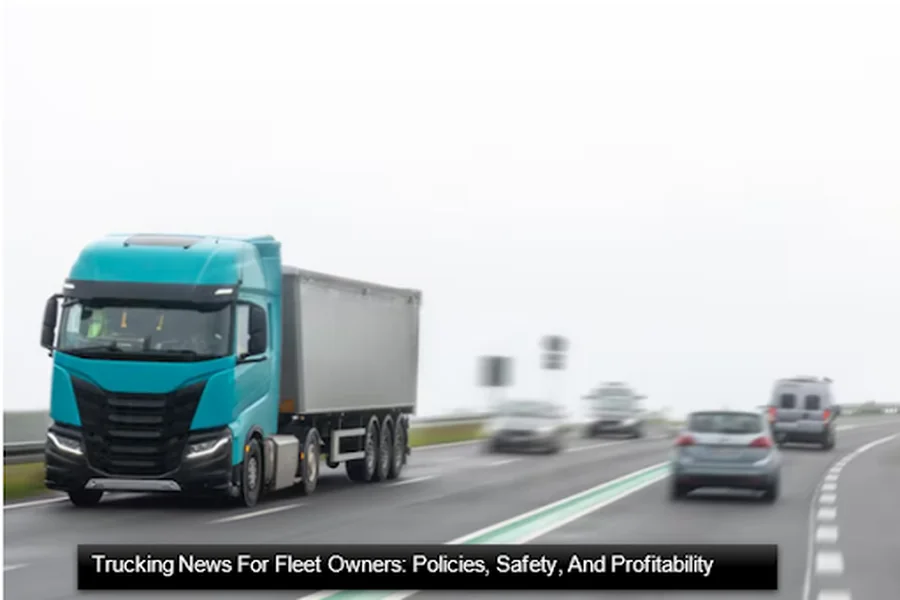
Trucking News For Fleet Owners: Policies, Safety, And Profitability
Change is a constant presence in the trucking world. New rules, new safety concerns, new economic pressure, and new market swings all shape every workday. Such changes demand clear thinking and steady action. Fleet owners need information that supports informed decisions and keeps their trucks moving.
Many owners refer to trucking news for updates that inform day-to-day operations. When owners understand these changes, they protect their drivers, their company, and their bottom line.
This article explores the latest trends in policies, safety, and profitability so fleet owners can make stronger decisions.
New Policy Changes Influence Daily Decisions
New policy continues to shape the way fleets operate. Many recent reports in trucking news have focused on improvements to commercial driver’s license standards. Certain states are under pressure to address issues in their licensing processes. These problems include document checks, training records, and testing for non-resident drivers. As states make changes to their process, fleets are responsible for coaching drivers through new steps and planning around these changes. Those owners who follow these updates avoid delays and maintain steady routes.
Rules also clamp down on brokers and freight forwarders: New plans would impose higher financial standards and increased oversight. The rules facilitate honest business dealings and protect carriers against unpaid loads. The fleet owner who learns about these changes can select its partners to meet the right standards. Smooth operations can definitely be ensured and facilitated with strong financial stability.
The expectations for training also increase. Federal teams continue to review the training providers and eliminate any from the list who do not meet quality standards. This, in turn, leads to better training of newer drivers. Fleet owners who stay well-informed can indeed better guide applicants to reliable programs for building safer teams.

Safety Concerns Gain More Attention
Safety remains of utmost concern in the industry. Recent analysis indicates an increasing awareness of driver schedules, alertness, and accident risk. Reports indicate how long hours of driving and a huge workload are affecting road performance and decision-making. Many already monitor work hours, inspection history, and crash records to make sense of these trends. Fleet owners who follow this information adjust routes and build healthier work schedules that support safer driving.
Inspection reports from these regions detail numerous safety concerns. Officers find unqualified drivers and trucks in need of repair. These findings indicate that enforcement remains tight along busy freight routes. At the same time, owners who remain vigilant about regular inspections and overt driver training avoid expensive problems and keep their teams safe. A strong focus on safety instills confidence and reduces risk.
Equipment recalls attract attention, too. Some trucks need updates to air systems or brake functions. Fleet owners who respond quickly prevent breakdowns and avoid dangerous situations. Early action keeps trucks in service and protects drivers.
Truck parking shortages persist as many drivers struggle to find a safe place to rest. New projects are adding more parking and gathering better information on needs. Owners tracking these updates plan routes that give drivers safe and comfortable breaks.

Market Conditions Determine Profits
The market continues to evolve in ways that impact rates, volume, and revenue. Recent benchmark reports indicate higher dry van rates around holidays. These increases can be due to seasonal demand and changes in availability in those periods. Other freight segments exhibit mixed behavior. Owners attentive to these patterns can position themselves on lanes that provide better returns.
In many areas, there is a reduced total load volume. Long-haul carriers rely on consistent freight, and such fluctuations pose problems for them. Owners who keep track of such shifts avoid overstretching their resources. Careful planning maintains the balance while demand continually shifts.
Fuel prices remain a major concern. National averages rose over recent weeks due to tighter supply and changes at refineries. Fleet owners who track these trends adjust their budgets and routes accordingly to save money. They also set prices that reflect true fuel costs, which helps protect profit margins.
Legal Developments Increase Business Risks
Legal matters continue to shape the trucking industry. Recent studies have shown that the cost of lawsuits and insurance has risen dramatically. The courts are handing down more significant verdicts, and insurance companies are increasing their prices accordingly. Fleet owners who learn about these risks take appropriate measures to secure their businesses.
Many cases involving liability include training records, maintenance logs, and hiring standards. Owners who keep good records show that they take safety and the rules seriously. Good records are the best defense against disputes that may arise.
New legislation also targets unlicensed drivers. Some proposals call for various fines against companies that employ drivers without proper credentials. Owners who stay current with these changes safeguard their fleets by closely screening every application while verifying all requirements.
Using Industry News To Build A Stronger Fleet
Industry news offers valuable tools to help owners enhance their operations. Clear updates support smarter planning, healthier schedules, and stronger financial decisions. Business owners who continue to stay informed about safety, policy, and market trends are well ahead of the curve. They confidently guide their teams and prevent issues before they grow.
Sharing news with drivers fosters a positive work culture. Drivers feel more prepared once they understand new rules and market shifts. This drives everyone in a similar direction.
When fuel prices rise, owners adjust routes. When rates change, they update contracts. When new regulations take effect, they adjust training. Each step brings more stability and safeguards long-term success.
Final Thought
The trucking industry is a fast-paced one, and fleet owners are expected to keep up with the pace. New rules emerge every year, new safety concerns arise, and market fluctuations influence daily work. Owners who follow current updates build safe, compliant, and profitable fleets.
It’s strong habits, steady learning, and early action that help fleets stay ready for anything. When owners utilize trusted trucking news sources and apply the knowledge they gain, they guide their fleet toward long-term strength and success.