
Rethinking Happy Hour: How to Redefine Relaxation and Social Rituals

For decades, the idea of “unwinding” after a long day followed a familiar script. A drink after work, cocktails with friends on weekends, or a nightcap to signal the end of the day were common social rituals. While those habits certainly still exist, they are no longer the only default. Many adults today are quietly reshaping what relaxation looks like, guided by changing priorities around wellness, productivity, and balance.
This shift is less about rejecting tradition and more about expanding options. People are asking how they can enjoy social moments and personal downtime without feeling drained the next day. As a result, a more mindful approach to relaxation is taking hold, one that blends enjoyment with intention.
The Rise of Mindful Consumption
Mindful consumption has become a defining theme in modern lifestyle culture. Whether it is food, media, or beverages, consumers are increasingly thoughtful about what they choose and why. This awareness extends to how they relax.
Long work hours, digital overload, and packed schedules have made recovery time feel more valuable. Many adults want downtime that actually restores them, rather than habits that leave them sluggish or distracted. This mindset encourages experimentation with alternatives that fit social settings but feel lighter or more controlled.
Importantly, this trend does not eliminate indulgence. Instead, it reframes it. Enjoyment is still central, it is simply approached with more awareness.
Socializing Without a Single Script
One noticeable change is how social gatherings look today. It is increasingly common for a group of friends to include someone sipping wine, someone choosing a non-alcoholic cocktail, and someone opting for a hemp-derived beverage. The social focus shifts from what is in the glass to the conversation and connection around it.
This flexibility reduces pressure. People feel more comfortable choosing what suits them personally rather than following a group norm. It also reflects a broader cultural acceptance of diverse lifestyle choices.
In this evolving landscape, hemp-derived drinks have carved out a niche among adults curious about alternatives to traditional alcohol. These beverages often mimic familiar formats, canned, flavored, and sessionable, while offering a different type of experience.
Brands like Bett are part of this conversation, creating hemp-derived drinks designed for adults who want something social and measured. Curious consumers often explore brands like this to understand flavor profiles, ingredients, and serving guidance before trying anything new. The emphasis tends to be on transparency and pacing, not intensity.
A New Approach to Edibles
Alongside beverages, hemp-derived edibles have also become part of the modern relaxation toolkit for some adults. The appeal lies in discretion, consistency, and variety. Gummies and similar formats feel approachable, and their pre-portioned nature makes them easier to manage.
What stands out is how differently these products are discussed compared to the past. Conversations now revolve around moderation, responsible timing, and understanding personal tolerance. This signals a maturing consumer base.
Companies such as Delta Munchies operate in this space, offering hemp-derived edibles for adults interested in clearly labeled options. Many people exploring this category start by reviewing product information and educational material on sites like https://deltamunchies.com/ to understand formats and strengths. Research has become part of the ritual.
Relaxation as a Skill
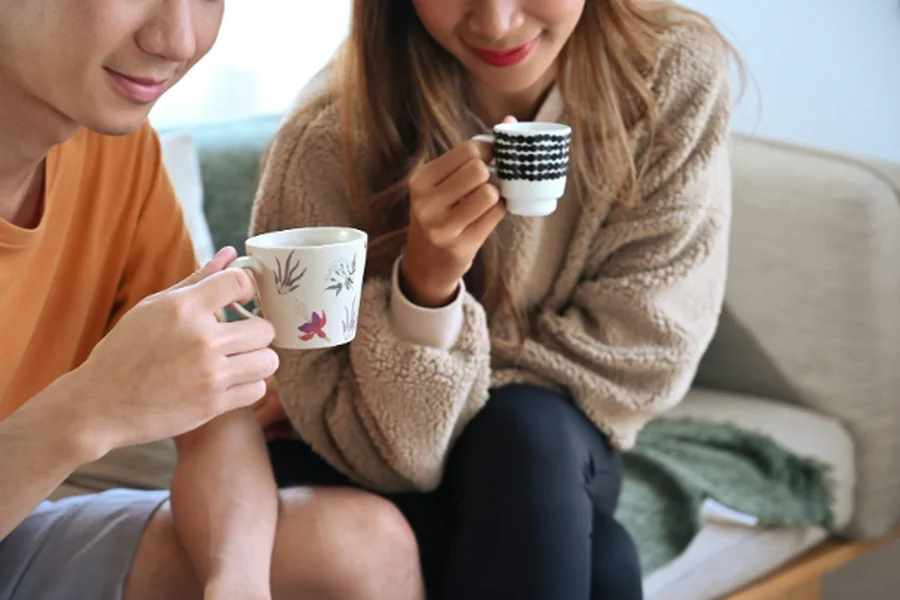
Another subtle but important shift is the recognition that relaxation itself is a skill. In a culture that rewards productivity, many adults have to relearn how to slow down. Simply stopping work does not always quiet the mind.
As a result, people build intentional wind-down routines. These might include dim lighting, music, reading, stretching, or limiting late-night screen time. For some, a beverage or edible fits into that ritual as a signal that the day is ending.
The key point is that the ritual matters more than the product. Structure helps the brain transition from activity to rest. Products can support that process, but they rarely replace the need for healthy habits.
Responsibility and Personal Fit
With any lifestyle product, responsibility is central. Effects vary from person to person, and not every option suits everyone. Most informed consumers emphasize starting slowly, paying attention to how they feel, and avoiding mixing substances impulsively.
Legal awareness also plays a role. Regulations around hemp-derived products differ by region, and responsible adults stay informed about local rules. This awareness is part of treating these products as adult choices rather than casual snacks.
The Bigger Cultural Picture
Zooming out, this evolution reflects a broader cultural theme: personalization. People no longer want one-size-fits-all solutions for relaxation. They want choices that align with their schedules, health goals, and comfort levels.
For some, that means reducing alcohol. For others, it means exploring hemp-derived options. For many, it simply means alternating between different approaches depending on the day. Flexibility has become the norm.
Happy hour is not disappearing, it is diversifying. Adults are redefining what it means to unwind, socialize, and enjoy downtime. Hemp-derived beverages and edibles are part of this shift, but they are only one piece of a larger movement toward mindful living.
What truly defines modern relaxation is intention. People want to feel good not only in the moment, but the next day as well. They value balance over extremes and information over impulse.
In the end, relaxation is personal. The most sustainable habits are the ones that fit naturally into life, support well-being, and leave room for enjoyment. Everything else is just a tool, and tools are most effective when used thoughtfully.