
How do Solar Panel Installation Challenges on Older Roofing Systems
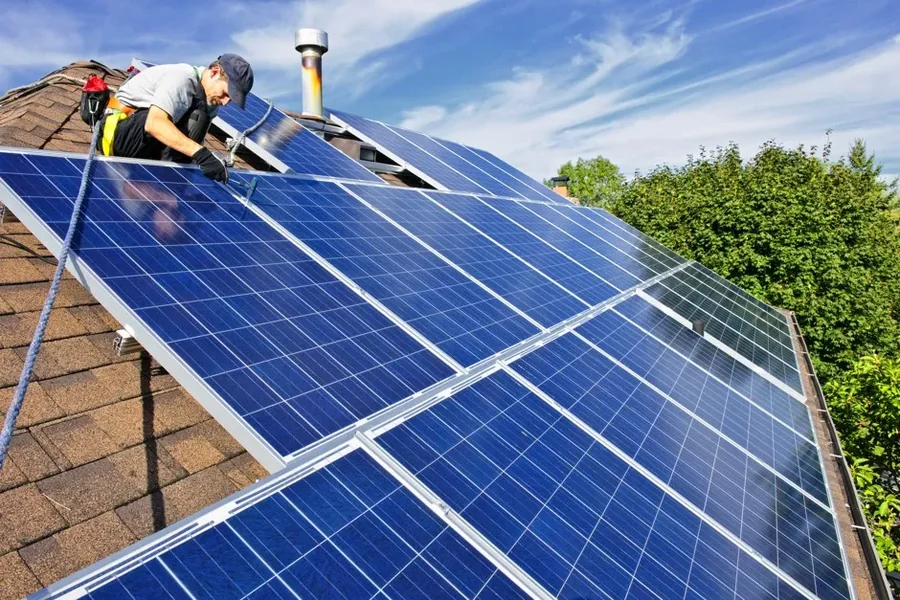
Installing solar on an older roofing system can be a smart way to use existing roof space, but it comes with challenges that don’t show up in newer builds. Age changes how roofing materials behave under foot traffic, fasteners, and temperature swings. Shingles may be brittle, the underlayment may be near the end of its service life, and flashing details may not match current standards. Even if a roof is not leaking today, it may have hidden weak points around valleys, chimneys, or previous repairs that become more vulnerable once solar attachments are added. Older roofs often have decking that has been exposed to moisture cycles for years, which can reduce fastener holding strength in certain areas. Solar racking adds concentrated loads and introduces penetrations that must be sealed correctly for decades. Because solar systems are expected to last a long time, the roof must be able to support that timeline. The goal is not to avoid older roofs, but to evaluate them carefully and install in a way that protects both the roofing system and the solar investment.
The rest of this guide
-
Structural and surface condition problems crews must evaluate
The first challenge is confirming that the roof structure and surface can handle installation and long-term loads. Many older homes were built with different framing spacing, decking thickness, and fastening methods than those used in modern construction. Over time, roofs may have added layers, repairs, or localized sagging that affects how racking sits and how loads transfer into rafters or trusses. A roof can look fine from the ground yet have soft decking areas beneath the shingles, especially near the eaves, skylights, or leak points. Brittleness is another issue. Asphalt shingles can crack under foot pressure in cold weather, and older wood shakes or tile roofs require specialized walking paths and attachment methods to avoid breakage. Metal roofs can be in good condition, but may have corrosion at fasteners or seams that need attention before clamps or penetrations are added. Crews often look for curling, granule loss, exposed nailheads, and flashing failures because these indicate that the roof may not be a suitable platform for long-term solar unless repairs or replacement are performed first. Skipping this evaluation increases the chance of leaks, callbacks, and reduced roof life.
-
Waterproofing and flashing integration on aged details
The biggest worry homeowners have is usually leakage, and older roofs raise that concern because existing flashing details may already be stressed. Solar attachments require penetrations that must be sealed, flashed, and integrated with the roofing material so they shed water naturally. On an older system, layers may be uneven, shingles may not lie flat, and the underlayment may be degraded, which makes proper integration more difficult. Older flashing around vents or chimneys may also be near failure, and adding new penetrations nearby can expose weak points. Many installers coordinate roof repairs before solar installation, so the attachment zones are refreshed rather than patched around. Some crews use flashed mounts designed to route water over the flashing rather than relying on sealant alone. Sealant can help, but should not be the primary defense on a roof that will see years of UV exposure and thermal cycling. North Valley Solar Power often emphasizes that the mounting system and flashing method matter as much as the panels, because a strong array installed on weak waterproofing details can cause issues unrelated to electricity production.
-
Racking attachment challenges in older decking and framing
Racking must anchor into structural members, and older roofs can make that more complicated than expected. Locating rafters or trusses may be more difficult if attic access is limited, insulation is dense, or past renovations have altered framing patterns. Some older homes have spaced sheathing or plank decking rather than modern plywood, which changes how fasteners bite and how loads distribute. If the decking has been exposed to moisture over the years, certain zones may have reduced holding strength, especially near roof penetrations or eaves. Installers may need to adjust attachment spacing, use different lag lengths, or reinforce from below in select areas to maintain proper uplift resistance. Roof pitch can also influence attachment choices, since steeper roofs increase walking difficulty and require careful staging to prevent shingle damage. In regions with high wind exposure, older roofs may lack modern uplift details, so the solar racking design must compensate without overstressing the roof surface. This is why reputable crews treat attachment layout as an engineered plan rather than a generic template, especially when the roof’s age raises questions about uniform strength across the deck.
Long-term solar success on older roofs
Solar panel installation on older roofing systems can work well when the project begins with an honest roof evaluation and a plan that respects the roof’s remaining life. The main challenges include brittle materials, degraded underlayment, aging flashing details, and structural variability in older decking and framing. These issues raise the importance of proper mounting design, attachment verification, and waterproofing methods that rely on flashing integration rather than sealant alone. Electrical routing and safety requirements can also be more complex in older homes, sometimes triggering panel upgrades or improved grounding. The most reliable path is to treat the roof and solar as one system, making repairs or reroofing decisions that prevent future removal costs and leak risk. When installers use careful attachment layouts, durable flashing practices, and clean electrical routing, older roofs can support solar for years without constant maintenance. The result is a system that produces power reliably while keeping the home protected from the elements and avoiding avoidable surprises.