
Why Mobile Outreach Matters for People Without Stable Transport
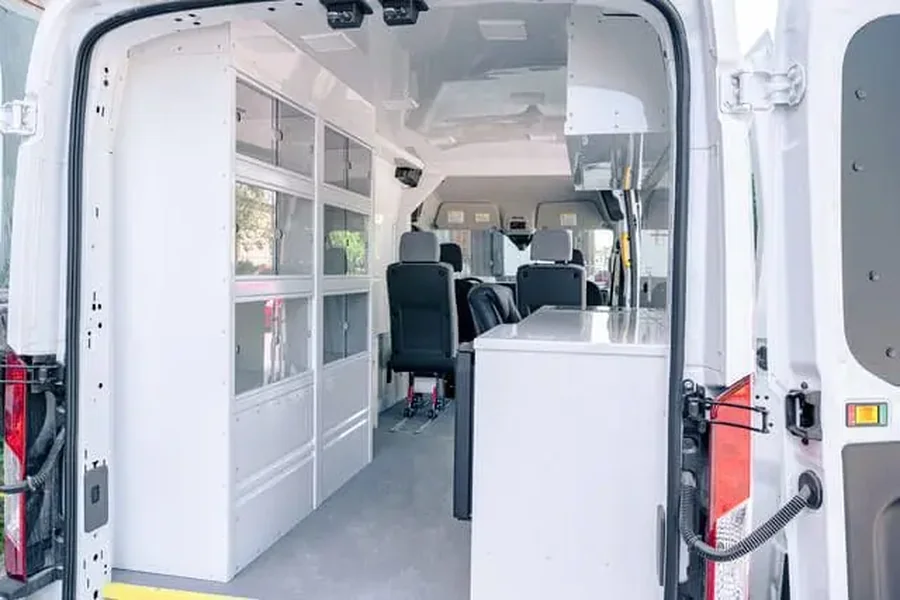
Health services often assume transport is a simple detail: you book an appointment, you get there, you go home. But for many people, transport is the barrier that decides whether care happens at all. Unreliable public transport, limited funds, physical accessibility challenges, anxiety about travel, or an unpredictable day-to-day routine can turn a “simple visit” into an all-day effort with a high chance of falling apart.
Mobile outreach exists to reduce that gap. By bringing support closer to where people already are, outreach models can make health care more realistic, more consistent, and safer over time. In harm reduction contexts, mobile needle exchange melbourne is one example of a service model that is designed around access, not ideal conditions.
Transport Instability Is More Than “No Car”
When people hear “no transport,” they often picture someone without a car. In reality, unstable transport can mean your nearest service isn’t truly reachable within your time, energy, or budget. It can also mean routes don’t connect well, travel takes multiple steps, or the effort of getting there makes the rest of the day unworkable. For some people, the barrier is physical fatigue or mobility. For others, it’s anxiety, trauma responses, or the unpredictability of housing and daily routine.
In those circumstances, access is not a matter of motivation. It’s a matter of practicality.
Missed Appointments Are Often a System Problem
Missed appointments are frequently treated as a personal failing. But if your travel plan relies on tight connections, money for fares, and the ability to wait in public spaces without stress, then attendance becomes fragile. One late bus can undo the whole chain.
Mobile outreach reduces the number of steps between “I’m willing to engage” and “I can actually engage.” That matters because inconsistent care tends to increase long-term risk. People often end up seeking help only when situations become urgent, which is harder on the person and puts more pressure on emergency services.
The Hidden Costs of Getting to Care
Even when care is low-cost or free, reaching it can be expensive in other ways. The financial side is obvious: fares, rideshares, or lost income from time off work. But the hidden costs can be just as heavy. Long travel can create exhaustion that wipes out the rest of the day. The stress of trying to arrive on time can raise anxiety before you even walk in the door. And repeated “almost made it” experiences can create a sense that support is always just out of reach.
Mobile outreach reduces these burdens by shortening the travel equation and making contact possible in smaller, more realistic steps.
Continuity Improves When Services Meet Real Life Conditions
Continuity is one of the biggest predictors of whether support actually helps. When transport is unreliable, people often fall into a stop-start pattern: they reach out once, miss the next step, then disengage because the system feels too hard to navigate. Over time, this can become its own barrier, because re-starting over and over is tiring and discouraging.
Outreach models can improve continuity because they return regularly, lower the “entry cost” of engaging, and make it possible to have brief check-ins that still matter. Trust builds through repeated respectful contact, not through a single appointment that has to go perfectly.
Low-Barrier Access Helps People Engage at Their Own Pace
Outreach services are often designed to be low threshold, meaning they reduce the hoops that keep people out. That does not mean lower standards. It means fewer points where someone can be excluded for being late, overwhelmed, uncertain, or not ready to explain everything.
A low-barrier approach usually feels like this: the interaction is practical, the tone is calm, privacy is respected, and the person is not pressured into declaring a big goal before they can receive basic help. Over time, those small interactions can make it easier to accept referrals, health checks, or more structured supports when the person feels ready.
Why Mobile Outreach Matters in Harm Reduction Settings
In harm reduction, access barriers can have immediate consequences. When services are hard to reach, people are more likely to make do with what they have, delay disposal, or stay disconnected from support that reduces preventable harm. Mobile outreach is designed to reduce that risk by bringing contact points closer, especially for people who are already juggling instability.
Importantly, outreach does not require a straight-line “recovery journey.” It supports safety and connection in the present, which often creates the conditions for future change.
What Good Mobile Outreach Tends to Have in Common
Mobile programs vary, but strong outreach models tend to share a few features:
- predictable presence that people can plan around
- staff who prioritise privacy, dignity, and non-judgement
- practical support that can start small and build over time
- clear pathways into other services when appropriate
These elements make outreach feel less like a one-off interaction and more like a stable part of the health landscape.