
Furnace Repair or Replacement: A Homeowner’s Decision Guide
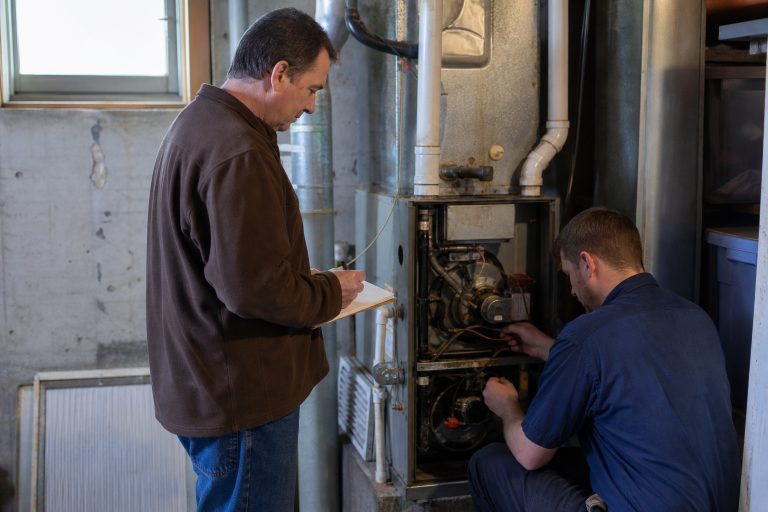
A furnace failure can rapidly create discomfort in a home, particularly in cold weather. Before deciding on repair or replacement, carefully examine the symptoms, review the system’s history, and consider safety concerns. To better understand common service requirements and repair choices, learn more here. Understanding the cause of the problem can help homeowners determine the next appropriate step.
The right decision is rarely based on age alone. A well-maintained older furnace may have years of useful service left after a modest repair, while a newer unit with a serious combustion or electrical problem may need a much different response. Considering repair needs, operating performance, and expected service requirements can provide a more complete basis for the decision.
Start With Safe First Steps
Several no-heat calls begin with a simple setting or airflow issue. Check that the thermostat is set to Heat, the selected temperature is above the current room temperature, and the furnace breaker has not tripped. Look at the air filter, confirm that supply vents and return grilles are open, and note any flashing diagnostic light visible through the furnace panel.
These checks are reasonable for most homeowners. Opening gas components, disconnecting wiring, bypassing safety switches, or repeatedly resetting a furnace that shuts down is not. A repeated shutdown is a sign that the equipment needs diagnosis rather than another reset.
Warning Signs That Need Attention
No heat, weak airflow, cold air from vents, short cycling, uneven room temperatures, and rising heating costs can all point to a furnace or airflow problem. Rattling, banging, grinding, or squealing may also indicate a loose component, blower issue, or other mechanical concern.
Symptoms alone do not identify the failed part. A dirty filter, thermostat problem, restricted return air, ignition fault, duct leakage, or electrical issue can create similar results. Burning, chemical, or fuel-like odors deserve prompt attention because they may indicate a condition that should not be ignored.
When Furnace Repair Makes Sense
Repair commonly makes sense when the furnace is relatively young, has been reliable, and has one identifiable issue. Examples can include a failed igniter, flame sensor, thermostat, capacitor, pressure switch, or blower-related component. The value of the repair depends on the condition of the whole system, not just the price of the part.
A repair is easier to justify when it restores normal operation, the needed part is readily available, and there are no combustion or electrical safety concerns. Ask whether the repair addresses the root cause, what labor and parts warranties apply, and whether another worn component is likely to affect reliability soon.
When Replacement Makes More Sense
Replacement deserves closer consideration when a furnace is near or beyond its expected service life, has repeated breakdowns, needs several significant repairs in a short period, or no longer keeps the home comfortable. Difficult-to-source parts, persistent hot and cold spots, and steadily poor performance can also change the equation.
Age is a useful planning signal, not an automatic replacement rule. Furnaces 15 years or older are often worth evaluating carefully when an expensive repair is needed, but a small, isolated repair may still be sensible. Conversely, a serious safety failure can outweigh the fact that a furnace is relatively new.
How to Compare Repair and Replacement Costs
Use a repair estimate as a starting point, then compare it with the system’s age, repair record, expected efficiency, and replacement price. Some homeowners use age-and-cost formulas to guide the conversation, but these are only rough screening tools. They cannot account for safety, equipment condition, installation quality, or comfort problems.
- An eight-year-old furnace with a $400 repair: Repair may be reasonable if the system has otherwise performed well.
- A 17-year-old furnace with a $1,500 repair: Requesting a replacement estimate is often prudent before authorizing the work.
- A furnace with a confirmed dangerous combustion problem: Safety must be addressed before cost comparisons.
Safety Problems That Should Not Wait
If a carbon monoxide alarm sounds, get everyone outside to fresh air, call emergency services, and do not reenter until responders say it is safe. The Consumer Product Safety Commission explains that carbon monoxide is colorless, odorless, and poisonous, which is why a working alarm is essential.
Leave the home and contact the gas utility or emergency services if there is a strong odor of gas. Turn the system off if there is smoke, melted wiring, or a strong burning-plastic smell. If a qualified technician identifies a cracked heat exchanger or another unsafe combustion condition, do not operate the furnace until the problem is properly resolved.
What a Proper Diagnosis Should Include
A careful service visit should include a review of the symptoms and repair history, followed by inspection of the filter, airflow, controls, wiring, ignition system, blower, and relevant safety devices. For gas furnaces, combustion-related components and venting conditions may also need evaluation.
Request a written explanation of the observed problem, the recommended repair, the cost of parts and labor, and applicable warranty terms. If the repair is costly or the furnace is aging, ask for a separate replacement estimate with the same level of detail. A second opinion can be useful, provided unsafe equipment remains shut down.
Planning for a New Furnace
A replacement quote should address equipment capacity, duct compatibility, venting, electrical and gas requirements, thermostat compatibility, permits, warranty coverage, and the expected installation schedule. Proper sizing matters because a furnace should be selected for the home’s heating load rather than simply choosing the largest available model.
Efficiency is commonly expressed through AFUE, or Annual Fuel Utilization Efficiency. The AFUE rating indicates how much incoming fuel is converted into space heat, but expected savings will also depend on climate, fuel prices, thermostat settings, duct condition, and home insulation.
Maintenance That Reduces Future Problems
- Replace filters on a schedule appropriate for the filter type and household conditions.
- Keep supply vents and return grilles clear of furniture, rugs, and storage.
- Keep paper, chemicals, and stored items away from the furnace.
- Test carbon monoxide alarms according to the manufacturer’s instructions.
- Schedule professional maintenance before heavy heating use.
- Keep records of repairs, part replacements, and unusual changes to energy bills.
Conclusion
The repair-or-replace decision becomes clearer when safety comes first, and the facts are written down. Consider the furnace’s age, condition, repair history, comfort, efficiency, and total cost of each option. A professional diagnosis and comparable written estimates can turn a stressful heating problem into a more confident long-term decision.