
When to Trim Hedges in Sydney for Healthy Regrowth
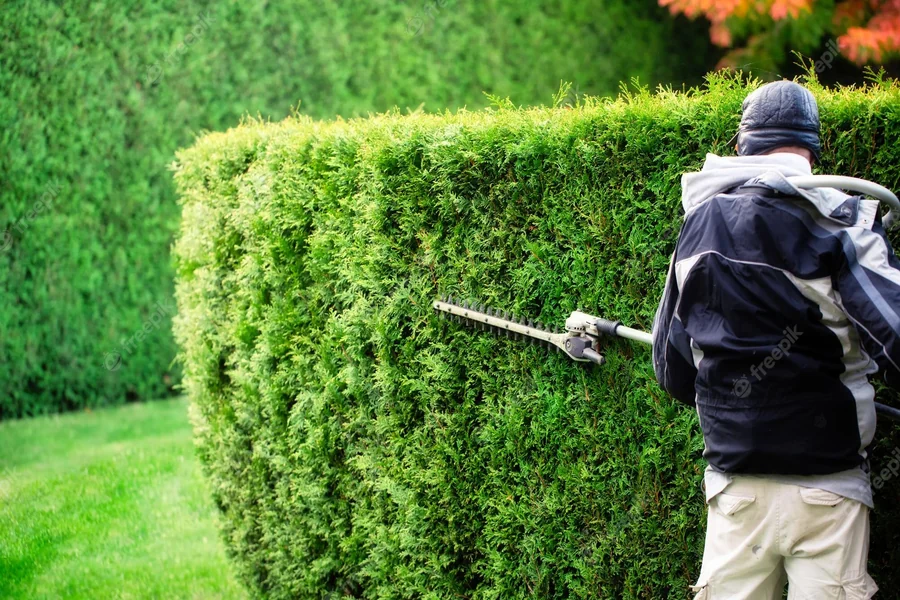
Hedges in Sydney can put on a surprising amount of growth in a short time, especially after rain or humid warm spells. That makes timing important. Trim too lightly or too often and you can end up with a dense outer shell and a struggling interior. Trim too hard at the wrong time and recovery slows, leaf drop increases, and the hedge can look thin for months.
In Sydney, a steady trimming schedule avoids the cycle of blowouts and harsh corrective cuts that can leave a hedge thin for months, which is why hedge trimming services in Sydney often prioritise timing and recovery over quick reshaping.
What “Healthy Regrowth” Actually Looks Like
Healthy regrowth is not just “new leaves.” It’s growth that fills in evenly, keeps foliage down to the base, and doesn’t trigger repeated pest or fungal issues.
You’re generally aiming for:
- Even coverage across the face of the hedge, not only at the top
- Light reaching the lower sections so they stay leafy
- A shape that doesn’t trap humidity inside the hedge
- Recovery that is steady rather than an explosive flush of soft growth
If your hedge consistently thins at the bottom, timing is only part of the issue, but it’s a big part.
The Best Trimming Windows in Sydney
Sydney’s hedge trimming sweet spots usually line up with periods of active growth that are not overly stressful.
Late winter to early spring
This is one of the most useful windows for many common hedge types because plants are gearing up for strong growth. A tidy-up or shape correction here often sets the hedge up to thicken as the season warms. It’s also a good time to remove winter damage and open up airflow before humidity builds.
Mid to late spring
Spring growth can be vigorous. Light to moderate trims during this period help maintain shape without shocking the plant. If you wait too long, hedges can “blow out” and require harsher cutting to regain control.
Early autumn
Autumn is another strong window in Sydney. The worst heat has eased, soil is often still warm, and hedges can recover without the intense stress of midsummer. A trim now can set up a clean shape going into winter.
These windows are not identical for every species, but they are reliable for many commonly planted Sydney hedges.
When to Avoid Trimming
Some timing mistakes don’t show up immediately, but they can create slow recovery and long-term thinning.
During heatwaves or very hot, dry spells
Hard trimming exposes inner foliage and stems to sun and heat. That can cause scorch, leaf drop, and stress that slows regrowth.
Right before a stretch of heavy humidity and rain
Fresh cuts plus prolonged leaf wetness can increase fungal pressure. If you must trim, focus on improving airflow and avoid leaving dense clippings trapped in the hedge.
During very cold snaps
Sydney winters are mild, but occasional cold nights can still stress tender new growth. A heavy trim that triggers new shoots right before cold weather can set recovery back.
How Often Should You Trim in Sydney?
Frequency depends on species, growth rate, and the look you want. As a general rule, hedges maintained for crisp lines need more frequent light trims, while hedges kept more natural can be trimmed less often.
Common patterns:
- Fast growers and formal shapes: multiple light trims through spring and summer, plus a tidy in early autumn
- Moderate growers: a spring trim and an autumn trim is often enough
- Slow growers or informal hedges: one main trim a year may be adequate
The goal is to avoid long gaps that force harsh cuts, because harsh cuts are more likely to create bare patches and slow recovery.
The Trimming Style That Helps Regrowth Most
Timing matters, but trimming style often matters more for density.
A few principles that support healthy regrowth:
- Keep the hedge slightly wider at the base than the top. This helps light reach lower foliage, which prevents that “thin legs” look.
- Avoid creating a tight outer shell. Repeated shearing in exactly the same place can leave a dense outside and dead, shaded interior.
- Use selective cuts occasionally. Thinning a few internal stems improves airflow and reduces disease pressure, especially in humid months.
If your hedge is already very dense on the outside, consider varying your cut line slightly over time so foliage isn’t forced to sit only at the surface.
Feeding, Watering, and Mulch: The Recovery Trio
Healthy regrowth needs stable conditions at the roots.
- Water deeply after trimming if conditions are dry, but avoid keeping the surface constantly wet.
- Mulch to stabilise moisture and reduce root-zone temperature swings, keeping mulch clear of trunks.
- Feed thoughtfully. Overfeeding can push soft, pest-prone growth. A balanced, slow-release feed during active growth periods is often a steadier approach than quick hits.
If a hedge repeatedly struggles to recover, check soil drainage and compaction. Root stress shows up as slow regrowth, yellowing, and patchiness.
Signs You Trimmed Too Hard or at the Wrong Time
Watch for these early indicators:
- Scorched or bleached inner leaves after a hot week
- Sudden leaf drop across one side, often the sun-facing side
- No visible regrowth after several weeks during a growth season
- Thin patches that deepen instead of filling in
When this happens, avoid the temptation to keep cutting. Focus on stabilising water, soil, and light conditions first.
If You Need to Reduce Size, Do It in Stages
The biggest regrowth failures happen after a single hard cut aimed at reducing height or width quickly. Many hedge plants can recover, but they often do better with staged reduction.
A staged approach usually means:
- Reduce a portion of the size, then allow a recovery period
- Maintain consistent moisture and mulch during recovery
- Shape for light penetration as you go, not just for straight lines
If you are unsure whether your hedge reshoots from old wood, staged reduction is safer than one major cut.