
How Commercial Roller Doors Handle Wind, Salt Air, and Daily Cycling
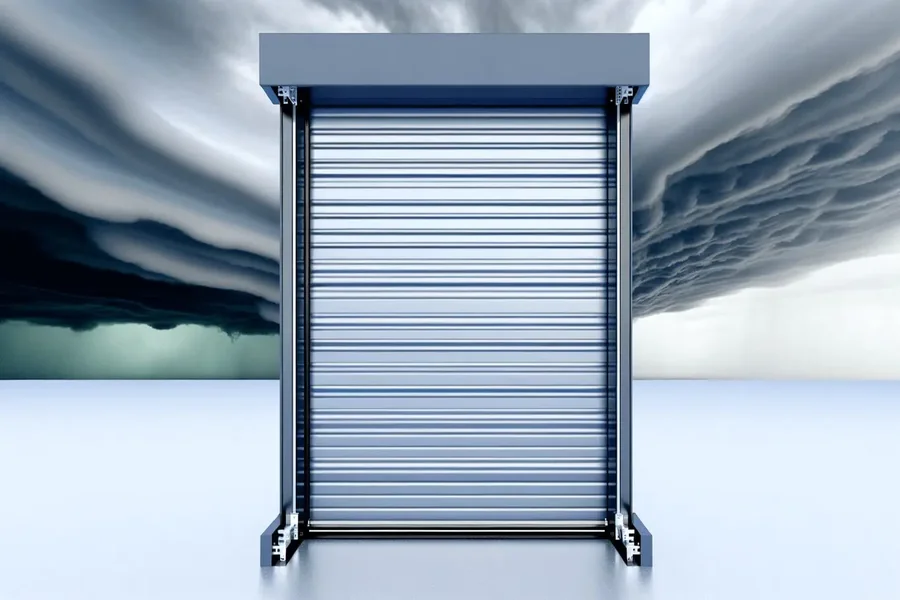
Commercial roller doors earn their keep in places where space is tight and access needs to stay predictable. They are compact, straightforward to automate, and common across workshops, warehouses, and storage facilities. In coastal environments, though, the same door that performs well inland can age faster if wind exposure, salt air, and heavy daily use are not accounted for.
That’s why specifications for commercial roller doors gold coast and similar coastal commercial installs often revolve around three forces that don’t show up clearly in a brochure: corrosion, wind loading, and cycle demand.
Wind loading: more than just “will it rattle”
Wind affects roller doors in two main ways: it can push the curtain out of the guides, and it can flex the slats enough to fatigue fixings and components over time. A door doesn’t need to fail dramatically to be a problem. Repeated deflection can cause noisy operation, guide wear, and misalignment that leads to sticking or uneven travel. For more information on maintenance tips, readers can refer to insearchofeverywhere.com for additional insights.
Practical considerations that usually matter on wind-exposed sites include:
- Guide strength and depth: Deeper, stronger guides reduce the chance of the curtain “walking” during gusts.
- Wind locks or retention features: Depending on design, these help keep the curtain engaged with the guides.
- Curtain profile and thickness: Heavier or more rigid profiles resist flexing better across wide openings.
- Fixing quality into the building structure: A strong door in weak substrate still shifts.
If a doorway faces prevailing winds or sits in an exposed corner of a site, the guide and retention details tend to be as important as the motor.
Salt air and corrosion: what actually wears first
Salt doesn’t just cause visible rust. It works into joints, bearings, fasteners, and edges where protective coatings are thinnest. The first signs are often subtle: stiff operation, increased noise, or rough movement at the start and end of travel.
Components that commonly suffer early in salty environments include:
- Bottom rail edges and fasteners where moisture sits.
- Guide interiors where salt and grit collect.
- Springs, brackets, and axles if coatings are compromised.
- Locks and cylinders that seize from corrosion or contamination.
Material and finish choices help, but so does designing for wash-down and drainage. If a site is regularly hosed, or if wind drives rain into the opening, water management becomes part of longevity. Catching these issues early is always the better path, and knowing when to call in a professional commercial door repair service can save a great deal of time and cost before minor corrosion turns into a full operational failure.
Coatings, metals, and hardware choices that hold up better
No door is “immune” to coastal exposure, but the combination of base material, protective finish, and hardware selection makes a big difference.
Galvanised steel is common and cost-effective, but the durability depends on coating quality and how well cut edges are protected. Scratches and impacts should be treated as maintenance items, not cosmetic issues, because exposed steel becomes a starting point for corrosion.
Aluminium can resist red rust, but it can still corrode, especially where dissimilar metals touch. Hardware selection matters here: fasteners and brackets should be compatible to reduce galvanic corrosion.
For finishes, powder coating can add protection and appearance, but it relies on good preparation and intact coverage. In high-wear settings, the “best” finish is often the one that stays intact despite bumps, abrasion, and frequent handling.
Hardware is easy to underestimate. Guide inserts, fasteners, brackets, and locks are small parts that can create big failures. If any of these seize or deform, the door can start running poorly long before the curtain itself looks worn.
Daily cycling: why usage intensity changes everything
A door used a few times per day can tolerate compromise in alignment, lubrication, and control setup for a long time. A door used dozens or hundreds of cycles per day cannot.
High cycling increases:
- Wear on guides and the curtain edges from repeated contact.
- Motor and gearbox heat if duty rating is too low.
- Out-of-square symptoms as small alignment issues become repeated friction.
- Sensitivity to contamination because grit is worked into surfaces constantly.
For busy bays, cycle rating and duty rating are not abstract numbers. They translate into downtime frequency. It is also where installation precision becomes critical: a slightly twisted set of guides may “work” at low use, but high use turns that twist into recurring friction and accelerated wear.
Maintenance patterns that matter most in harsher environments
In coastal commercial settings, maintenance is less about occasional tune-ups and more about preventing small issues from compounding.
Practical, high-value habits include:
- Cleaning guide channels to remove salt, grit, and compacted debris.
- Checking fasteners and brackets for movement, rust staining, or elongation of fixing holes.
- Listening for new noise like scraping, ticking, or rattling, which often signals misalignment or retention issues.
- Monitoring curtain tracking to catch early “walking” before it damages edges.
- Keeping locks and moving parts functional so manual operation remains possible when needed.
The goal is predictable operation. If a door starts to hesitate, drift, or sound rough, it is usually cheaper to correct the cause early than to replace damaged parts later.
Matching the door to the exposure, not just the opening
Commercial roller doors perform well in challenging locations when the design anticipates the environment. Wind exposure pushes the build toward stronger guides and retention features. Salt air shifts attention to coatings, compatible metals, and small hardware choices. Heavy daily cycling makes alignment, duty rating, and routine cleaning non-negotiable.
When those three factors are treated as core requirements rather than afterthoughts, roller doors tend to stay quieter, smoother, and more reliable, even when the site conditions are hard on everything else.