
The Future of Skincare Is Already Here: How Medical Grade Ultrasound Is Changing What Anti-Aging Looks Like
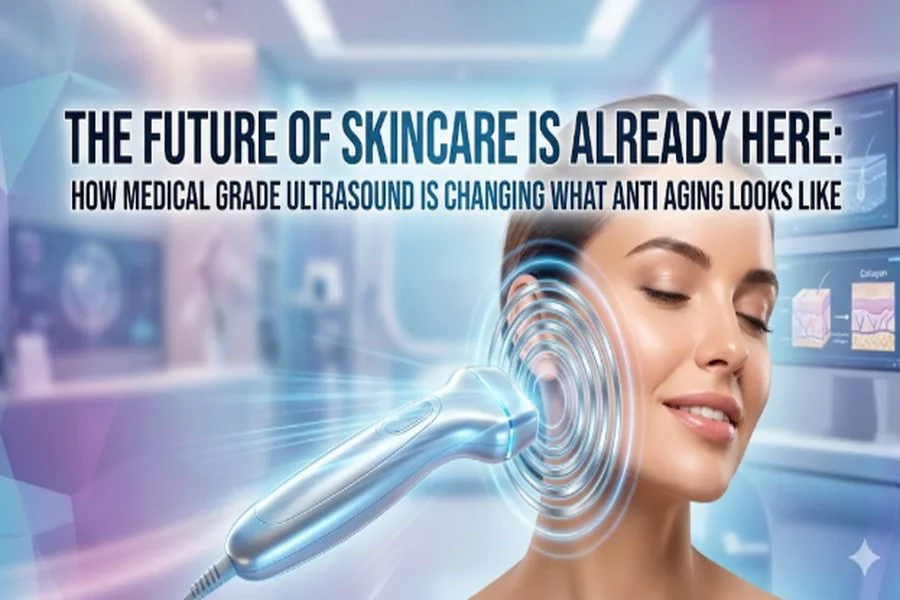
Anti aging used to be defined by correction filling lines, tightening skin surgically or resurfacing the face through aggressive procedures. But skincare is entering a very different era. One where technology does not override biology, but works with it.
At the center of this shift is medical grade ultrasound, a non-invasive innovation that is quietly becoming a new standard in aesthetic medicine clinics around the world.
Unlike older approaches that focused on surface disruption or structural alteration, ultrasound-based skin tightening works by stimulating the skin’s own regenerative capacity without cutting, removing or damaging the outer layer.
This evolution is changing not just treatment outcomes but the entire philosophy of how we approach aging.
A New Definition of Anti-Aging
The traditional idea of anti-aging was often reactive: wait for wrinkles then treat them. Modern dermatology is moving toward something more proactive and regenerative.
Instead of forcing visible change, today’s leading technologies aim to support the skin’s natural architecture improving firmness, elasticity and texture gradually over time.
This is where non ablative ultrasound enters the conversation.
In simple terms “non-ablative” means the skin surface is not removed or injured during treatment. Instead energy is delivered beneath the surface to trigger natural collagen production.
The result is improvement from within, not repair from the outside.
How Medical Grade Ultrasound Actually Works
Ultrasound skin tightening uses focused acoustic energy to heat specific layers beneath the skin in a controlled and precise way.
This targeted energy triggers a biological response and the body starts producing new collagen which is the key structural protein responsible for skin firmness and elasticity.
Over time this collagen remodeling leads to:
- Gradual skin tightening
- Improved facial definition
- Smoother texture
- Subtle lifting effects
A more detailed explanation of the mechanism can be found in Sofwave’s ultrasound technology for skin tightening.
What makes ultrasound different from older technologies is its precision. It bypasses the surface entirely, meaning there is no peeling, no wound healing phase and no interruption to daily life.
How It Compares to Older Aesthetic Technologies
For decades, aesthetic treatments largely relied on three categories: lasers, radiofrequency (RF) and surgical procedures.
Each of these has played an important role but they operate differently from ultrasound and often with more visible disruption.
Laser Treatments
Lasers work by targeting the surface or near surface layers of the skin and while they are effective for pigmentation and texture they can also involve downtime like redness peeling or increased sensitivity.
Radiofrequency (RF)
RF uses electrical energy to heat tissue more broadly and It can improve mild laxity but is often less precise in targeting specific skin depths and results can vary depending on technique and device.
Surgical Facelifts
Surgery remains the most dramatic option but it also comes with the highest level of intervention incisions and anesthesia and recovery time.
Ultrasound: The Middle Path
Medical grade ultrasound represents a different category entirely and it does not remove cut or resurface the skin and instead it activates the skin’s own natural regenerative response from within.
This positions it as a bridge between non-invasive convenience and clinically meaningful results.
Sofwave as a Leading Clinical Example
Among modern ultrasound systems, Sofwave Medical has emerged as a widely adopted platform, cleared by regulatory bodies including the FDA and CE, and used across dermatology and aesthetic clinics in over 30 countries globally.
Its approach focuses on delivering controlled ultrasound energy to the mid dermal layer of the skin and this is the area where collagen production is most active and responsive.
The goal is not dramatic alteration but gradual improvement in skin quality over time.
Clinics often point out that this approach matches modern patient expectations which include natural looking results and minimal downtime and more predictable outcomes.
The treatment is typically suited to adults in their 30s to 60s experiencing early to moderate laxity in the face, brow or neck – people who want meaningful improvement without surgery or recovery time.
Evidence Based Aesthetic Innovation
One of the key factors driving adoption of ultrasound technology is the growing emphasis on visible clinical validation.
Patients today are more informed and increasingly look for documented outcomes rather than marketing claims alone.
This is where clinical treatment outcomes play an important role and they demonstrate how collagen remodeling develops gradually with improvements becoming more visible over weeks and months rather than immediately after a procedure.
This slow progression is part of what makes the results appear natural rather than artificial.
Why Ultrasound Fits the Future of Wellness
The broader wellness industry is also influencing aesthetic medicine. Today’s consumers are not just focused on looking younger and they are focused on aging well.
That means:
- Maintaining natural facial expression
- Avoiding invasive procedures where possible
- Choosing treatments that integrate into busy lifestyles
- Prioritizing long term skin health over quick fixes
Medical grade ultrasound fits directly into this philosophy. It supports the skin’s biology rather than overriding it.
This alignment between technology and lifestyle is one of the key reasons it is gaining global momentum.
The Shift From Correction to Regeneration
One of the most important changes in modern aesthetics is philosophical rather than technical.
The focus is shifting from:
- “How do we fix aging?”
to - “How do we support healthy aging?”
Ultrasound based treatments reflect this shift because they work with the body’s natural regenerative systems.
Instead of creating abrupt change they support gradual improvement that feels integrated and sustainable.
Final Perspective: A New Standard Emerging
The future of anti aging is not about more aggressive interventions. It is about smarter, more precise and biologically aligned technologies.
Medical grade ultrasound is increasingly becoming part of that new standard offering a balance between science and subtle aesthetic improvement.
As adoption continues across clinics worldwide the direction is clear and treatments that enhance rather than change appearance will shape the next era of skincare.
And at the center of this transformation technologies like Sofwave are helping define what modern non-invasive rejuvenation looks like in real clinical practice.