
How Early Orthodontic Care Supports Long-Term Oral Health
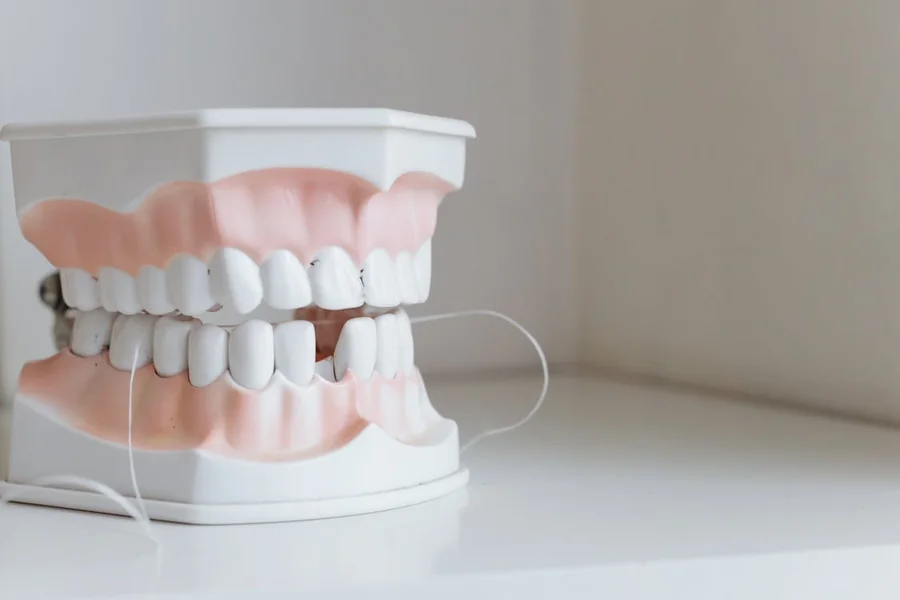
Many parents think orthodontic treatment only becomes important during the teenage years, but oral development actually begins much earlier. As children grow, their teeth, jaws, and bite patterns continue changing, which means small alignment issues can slowly become larger concerns over time if they are not monitored properly. Early orthodontic care focuses on identifying these problems before they become more difficult to treat later in life.
Orthodontic care is not only about creating a straighter smile. Proper alignment also affects chewing, speech, cleaning habits, jaw comfort, and long-term dental health. Crooked teeth, overcrowding, and bite problems can make daily oral hygiene harder while increasing the risk of future dental complications.
Children develop at different rates, which is why regular monitoring becomes important during the early years of growth. In many cases, orthodontists are able to recognize concerns while the jaw and teeth are still developing, allowing treatment plans to become more effective and less invasive later.
Early evaluations do not always mean a child will need braces immediately. Sometimes the goal is simply to monitor development carefully and guide growth in healthier directions over time.
Early Orthodontic Evaluations Help Detect Problems Sooner
Childhood is one of the most important stages for monitoring oral development because the jaw and teeth are still growing and changing rapidly. During these years, orthodontists can often identify potential concerns before they become more severe or harder to correct later.
Common issues that may appear early include crowded teeth, spacing problems, bite misalignment, jaw growth concerns, or habits like prolonged thumb sucking that affect oral development. Some children may also experience difficulty chewing properly or speaking clearly because of alignment issues.
During an early orthodontic consultation, experienced orthodontic professionals can evaluate jaw positioning, tooth eruption patterns, bite function, and overall facial development to determine whether a child may benefit from future treatment or continued monitoring as their teeth and jaw continue developing over time. These evaluations help create personalized treatment plans based on the child’s specific growth patterns and oral health needs.
Importantly, early evaluations do not automatically lead to immediate braces. In many situations, orthodontists simply observe how the mouth develops while providing guidance about future treatment options if needed.
Monitoring growth early often helps prevent more complicated problems from developing later. When orthodontic concerns are caught sooner, treatment may become simpler, shorter, and more comfortable overall.
Proper Alignment Supports Better Oral Hygiene
Straight teeth are usually easier to clean properly. When teeth overlap, twist, or crowd together, brushing and flossing become much more difficult. Food particles and plaque can collect in tight spaces that are harder to reach during daily cleaning.
Over time, this can increase the risk of cavities, gum irritation, plaque buildup, and tooth decay. Poor alignment may also contribute to inflammation around the gums, which can eventually affect long-term oral health if left untreated.
Orthodontic treatment often improves cleaning efficiency by creating better spacing and alignment between teeth. Once teeth are easier to clean, maintaining good oral hygiene becomes much more manageable for both children and adults.
Preventing dental problems early is usually easier and less expensive than treating serious decay or gum disease later. That is one reason orthodontic care often supports overall preventive dental health beyond cosmetic appearance alone.
Good oral hygiene habits combined with proper alignment create a stronger foundation for long-term dental wellness.
Bite Correction Improves Daily Comfort
Many people think orthodontic treatment focuses only on straightening visible teeth, but bite alignment is equally important. Bite problems can affect chewing, speaking, jaw movement, and overall comfort during daily activities.
Common bite issues include overbites, underbites, crossbites, and open bites. These conditions may place uneven pressure on teeth and jaw joints, sometimes leading to discomfort or uneven tooth wear over time.
Children with untreated bite problems may also struggle with chewing certain foods or speaking clearly in some situations. Jaw tension and headaches can occasionally develop later as bite imbalances continue affecting muscle movement.
Orthodontic care helps improve how the upper and lower teeth fit together, which supports better function and comfort overall. Addressing bite concerns during childhood often allows orthodontists to guide jaw development more effectively while growth is still occurring.
Early treatment can sometimes reduce the need for more extensive correction later in life.
Early Care May Reduce Complex Treatment Later
One major advantage of early orthodontic care is the ability to guide growth while the jaw is still developing. Some orthodontic problems become much harder to correct once growth slows or stops completely during adulthood.
Orthodontists sometimes use tools like expanders, space maintainers, or partial braces during childhood to create healthier alignment conditions early. These treatments help guide jaw development and create more room for permanent teeth as they emerge.
In some cases, phased treatment plans work best. A child may receive early treatment for specific concerns, followed by additional orthodontic work during the teenage years if necessary.
Early intervention does not always eliminate future treatment entirely, but it can reduce the severity of later problems. Some children may avoid tooth extractions, complicated braces treatment, or even jaw surgery because concerns were managed earlier during development.
Every child’s needs are different, which is why personalized monitoring remains so important throughout growth.
Confidence Often Improves Along With Oral Health
Dental appearance can strongly affect confidence, especially during childhood and adolescence. Children who feel self-conscious about their teeth may hesitate to smile, speak up in social situations, or participate comfortably around peers.
Orthodontic treatment often improves confidence because children begin feeling more comfortable with their smiles and appearance. While oral function remains the main goal, emotional benefits are also important.
Feeling comfortable smiling, speaking, and interacting socially can positively affect school participation, friendships, and self-esteem over time.
Orthodontists understand that treatment involves more than simply moving teeth. Building confidence and creating positive experiences also matter during the process.
Jaw Development Plays an Important Role
Jaw growth affects much more than appearance alone. Proper jaw development supports chewing efficiency, bite balance, facial symmetry, and overall oral function.
Orthodontists monitor how the jaws grow in relation to the teeth and facial structure throughout childhood. Uneven jaw development may contribute to speech difficulties, bite problems, or uneven tooth wear later if ignored.
By evaluating jaw growth early, orthodontists may be able to guide development more effectively while the bones are still growing naturally.
Monitoring jaw alignment over time helps create healthier long-term outcomes for both function and appearance.
Early orthodontic care supports much more than cosmetic improvement. It helps guide healthy jaw development, improve bite function, support better oral hygiene, and reduce the risk of future dental complications.
By identifying concerns early, orthodontists can often create more effective treatment plans while a child’s teeth and jaw are still developing. Monitoring growth carefully allows problems to be addressed before they become more severe later in life.
Every child develops differently, but consistent orthodontic guidance and strong oral care habits can help create healthier smiles that last well into adulthood.