
How Automotive Technology Relies on Durable Storage Systems
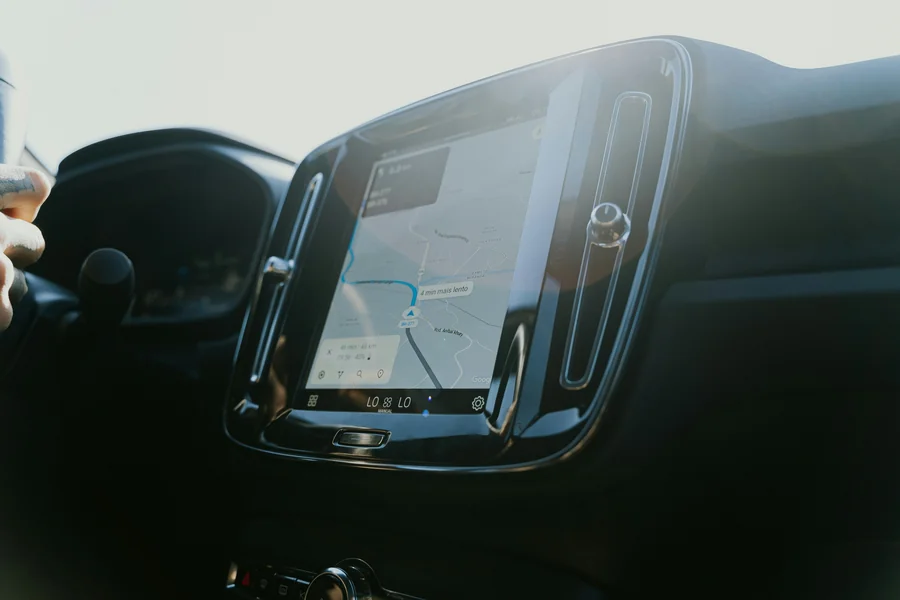
Modern vehicles now process more information in one hour than some offices handled years ago. Cameras monitor surroundings constantly while navigation systems update routes in real time. Drivers may only notice touchscreens and parking sensors though an enormous amount of data is being managed quietly beneath the surface. Cars are no longer simple mechanical machines. They have become moving computer systems expected to perform flawlessly under pressure.
That shift has changed how automotive technology is designed. Reliability is no longer focused only on engines and brakes because data handling now affects safety, performance and daily usability. Storage systems inside vehicles must function during extreme heat, heavy vibration and unpredictable driving conditions. A minor storage failure can interrupt navigation, sensor communication or critical system updates unexpectedly.
Automakers are investing heavily in smarter infrastructure because vehicles continue becoming more connected. Electric vehicles, advanced driver assistance systems and fleet-management platforms all depend on constant data processing. Those hold-on-this-system-cannot-freeze moments are becoming far more important inside transportation technology than many people realize.
Consumers may not think often about storage hardware inside vehicles though manufacturers certainly do. Would drivers trust modern safety features if vehicle systems stopped responding during critical moments?
Cars Are Carrying More Data Than Ever Before
Modern vehicles generate and process massive amounts of information continuously. Cameras capture road conditions while sensors track movement, braking patterns and nearby obstacles. Navigation systems store mapping data while onboard software manages entertainment, diagnostics and communication systems simultaneously.
This growing demand for data processing has increased the importance of durable storage hardware. Automotive companies are now building systems around industrial rugged SSD storage because traditional consumer-grade drives struggle under harsh operating conditions. Vehicles experience constant vibration, sudden temperature changes and power interruptions that standard storage devices were never designed to handle.
For example, autonomous testing vehicles may collect large amounts of sensor data every second while driving through busy urban environments. Another example can be found in commercial delivery fleets where onboard systems track routes, fuel usage and maintenance schedules continuously throughout the day. These systems require dependable storage because interruptions can affect operational accuracy immediately.
Storage failures inside vehicles are treated differently than failures inside personal electronics. A frozen smartphone may cause frustration though a failed automotive storage system could interrupt critical safety functions. That difference explains why manufacturers pay close attention to endurance ratings, thermal tolerance and power-loss protection during hardware selection.
Vehicles are becoming more software-driven every year and storage reliability sits directly at the center of that transition.
Extreme Conditions Change Everything
Automotive environments place unusual pressure on electronic components. Temperatures inside vehicles can rise dramatically during summer while freezing conditions create entirely different stress during winter months. Those fluctuations affect storage performance constantly.
Consumer storage devices are usually designed for controlled indoor environments. Cars operate under entirely different circumstances. Storage systems inside vehicles must continue functioning despite vibration from rough roads, rapid temperature swings and unexpected power interruptions.
Several factors make automotive storage particularly demanding:
- Constant vibration from driving conditions
- Exposure to extreme heat or cold
- Unpredictable shutdowns during power loss
- Long operational lifespans expected by manufacturers
These challenges explain why automotive companies use specialized storage systems instead of standard commercial hardware.
Heat becomes especially important because excessive temperatures can damage memory cells and reduce performance. A storage device functioning perfectly inside an office may fail much faster inside an engine-adjacent system exposed to high ambient temperatures daily.
Power interruptions also create serious risks. During sudden shutdowns, corrupted data can affect navigation systems, safety diagnostics or software updates. Durable automotive storage systems are designed specifically to reduce these risks through built-in protection features.
Would most drivers realize how many electronic systems depend on uninterrupted data access while a vehicle moves at highway speeds?
Transportation Is Becoming More Data Driven
The transportation industry has started changing rapidly because digital infrastructure now influences nearly every operational decision. Vehicles communicate with cloud systems, maintenance platforms and route-management software continuously. Data flows constantly between drivers, businesses and transportation networks.
This shift has increased focus on emerging technologies in modern transportation because efficiency now depends heavily on reliable data handling. Delivery companies track vehicle health while optimizing fuel usage and route timing through connected systems. Public transportation services also rely on real-time monitoring platforms to manage schedules and maintenance needs more accurately.
Storage hardware supports these systems quietly in the background though its role remains essential. Large fleets generate massive operational datasets every day. Those systems require hardware capable of handling continuous workloads without frequent replacement or failure.
Long-term reliability has become a major business priority because downtime creates expensive disruptions. A failed storage device inside one commercial vehicle may delay deliveries, interrupt diagnostics or affect communication systems connected to larger transportation networks.
Manufacturers are responding by designing storage infrastructure around endurance rather than short-term speed alone. Stability matters more when systems are expected to operate continuously across difficult environments for many years.
Would transportation systems function smoothly today without dependable onboard data storage supporting every connected process behind the scenes?
Durable Storage Quietly Supports Modern Driving
Most drivers never think about storage systems while operating a vehicle. Attention stays focused on navigation screens, safety alerts and driving performance instead. Though every connected feature inside modern vehicles depends on reliable data storage functioning quietly underneath those visible systems.
Automotive technology continues becoming more software-dependent because vehicles now process enormous amounts of information constantly. Cameras, sensors and communication systems all require storage hardware capable of surviving harsh conditions without interruption.
That demand has changed how manufacturers approach hardware selection. Durability, endurance and power protection now matter just as much as processing speed. Specialized storage systems are being chosen because automotive environments place unusual pressure on electronic components daily.
Vehicles are expected to remain functional for many years while operating through temperature extremes and physical vibration regularly. Standard consumer hardware was never designed for those conditions. Durable automotive storage systems exist because transportation technology now depends heavily on uninterrupted data performance.
Modern vehicles may appear sleek and highly automated from the outside though much of their reliability depends on unseen hardware working correctly every second. Storage systems rarely receive public attention though they quietly support nearly every connected feature drivers now expect automatically.