
Why COD Battle Passes Keep Players Locked In Every Season
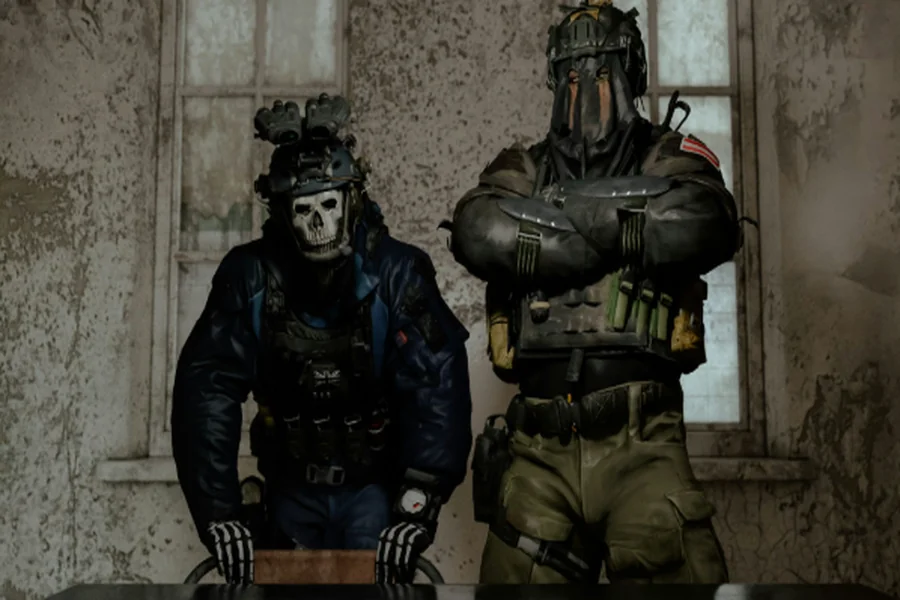
There was a time when multiplayer shooters survived on maps, gunplay, and bragging rights alone. That was enough. That was enough. Players signed on, won a few games, complained about excessive power levelling, and departed. Simple. Now? Many online games are more of an entertainment ecosystem than typical shooters, and few franchises can handle it better than Call of Duty.
The seasonal battle pass has subtly emerged as the hub of that ecosystem. Not because players necessarily love it every single time, but because it creates a rhythm people fall into without even noticing. One reward unlocks another. One evening turns into four matches. Four matches somehow become an entire season. Funny how that happens. And yes, some players complain constantly about battle passes while still completing every tier before the deadline. That contradiction says everything.
The Pass Is Not Selling Cosmetics Anymore
At first glance, the system looks straightforward. Pay for a seasonal track, unlock operator skins, weapon blueprints, charms, and various flashy animations. However, the real product is not cosmetic content. It is momentum.
Progress Bars Trigger Something Deeply Automatic
Human beings are strangely vulnerable to visible progression. A half-filled bar feels unfinished. A nearly completed reward track creates tension. Games know this extremely well.
Battle passes work because they consistently show measurable progress, even during mediocre matches. A player can lose repeatedly and still feel productive because experience points continue moving the track forward. That changes the emotional equation completely.
Older multiplayer games often punished bad sessions harshly. Modern COD seasons soften disappointment with progression rewards every few levels. Tiny unlocks appear constantly:
- New weapon camos
- XP boosts
- Calling cards
- Currency tokens
- Operator quips and emotes
Individually, these rewards are not life-changing. Together, they create a loop that rarely feels empty. Come to think of it, the system resembles streaming platforms. One episode ends with just enough tension to encourage another. COD simply replaces cliffhangers with unlock notifications.
Seasonal Timers Create Controlled Panic
The temporary nature of battle passes matters more than many players admit. If rewards stayed available forever, urgency would disappear.
Limited seasonal content creates a subtle pressure that sits in the background every time someone logs in. Missing a rare operator skin suddenly feels like losing a small piece of gaming history. Rational? Not really. Effective? Absolutely.
This becomes even stronger when exclusive cosmetics gain social value online. Back then, some players got skins just by showing up each day. Those items now whisper stories without saying a word. Worn like old band tees found in attic boxes. A quiet nod to seasons long gone. Timestamps hidden in pixels instead of fabric.
After every big update, game lobbies light up differently. Players dive in, hunting odd treasures like vintage gear or Call of Duty accounts like those provided by https://playhub.com/call-of-duty/accounts. Those old accounts? They feel less like digital clutter and more like snapshots frozen in time. For some, chasing them stirs something deeper than just winning.
COD Seasons Are Built Like TV Shows
One overlooked detail is how heavily modern COD seasons borrow ideas from television structure. Every season arrives with its own theme, cinematic trailers, limited-time events, narrative fragments, and dramatic operator reveals. Players are not merely entering matches anymore. They are entering a temporary cultural moment inside the game.
Constant Change Prevents Fatigue
Competitive shooters face a permanent problem: repetition. Even brilliant gunplay eventually becomes familiar. Seasonal content fights boredom aggressively by introducing rotating elements:
- New maps
- Weapon balancing changes
- Temporary game modes
- Crossovers with films or celebrities
- Event-specific challenges
True, many players claim they hate constant meta shifts. Yet stagnant multiplayer environments usually lose attention much faster. Frustration keeps people emotionally invested far longer than predictability.
There is also something psychologically comforting about seasonal resets. A new pass feels like a clean slate. Missed rewards from last season stop mattering because fresh unlocks appear immediately. The cycle restarts before disappointment has time to settle.
The Battle Pass Quietly Reshaped Social Gaming
Older online shooters often rewarded individual dominance above everything else. Modern COD systems encourage persistence instead. A highly skilled player may finish the pass quickly, but average players still progress steadily through time investment alone. That distinction matters because it keeps broader audiences engaged.

Friends Become Retention Systems
This part is rarely discussed openly, although everyone feels it. Battle passes become dramatically more effective when friend groups participate together. One person buys the premium track, another wants the new operator skin, somebody else starts grinding weekend challenges, and suddenly the entire group returns nightly.
Nobody wants to be the friend left behind at tier twelve while everyone else unlocked new gear weeks ago. Well, yes, that sounds slightly absurd when written out plainly. Yet multiplayer gaming has always relied on social momentum. Battle passes simply industrialised it.
There is also the conversation factor. Shared seasonal experiences generate endless small discussions:
“Have you unlocked that blueprint yet?”
“Did you finish the event challenges?”
“That skin actually looks ridiculous in-game.”
Tiny exchanges keep communities active between major releases.
Even Complaints Help The System Survive
Perhaps the cleverest aspect of COD battle passes is this: frustration itself fuels engagement. Players argue about grind length, pricing, recycled cosmetics, and artificial FOMO every single season. But those debates keep the pass visible everywhere across streaming platforms, forums, clips, and social feeds.
Silence would be far more dangerous. The modern gaming economy depends heavily on sustained attention rather than one-time purchases. Battle passes extend that attention over months instead of weekends. That changes how publishers design content entirely. And honestly, many players understand the system perfectly while still participating willingly. That may be the most fascinating part of all.
Conclusion
COD battle passes succeed because they blend progression, routine, exclusivity, and social pressure into one seamless structure. They are less about individual rewards and more about creating a habit that feels strangely satisfying to maintain.
A completed season gives players the impression they were part of something temporary, even if that “something” was simply unlocking a glowing rifle skin at two in the morning after saying “just one more match” six times in a row. That is the trick, really. The system rarely forces engagement directly. Instead, it makes leaving feel slightly uncomfortable. And for a live-service game, that difference changes everything.