
Why Tanzania Is the Ultimate Destination for Meaningful Travel Experiences
Many travellers return from a holiday with a full camera roll but very few memories that genuinely changed the way they see the world. Popular destinations often encourage fast-paced itineraries, crowded attractions, and surface-level experiences that leave little room for meaningful connection. Tanzania offers something different. It invites visitors to slow down, pay attention, and engage with the places and people around them.
From vast wildlife areas and remote landscapes to vibrant cultures and coastal communities, Tanzania creates opportunities for experiences that stay with you long after the journey ends. Whether you spend your days watching wildlife in the Serengeti, speaking with local guides, or exploring historic streets in Zanzibar, every part of the country encourages a deeper understanding of its natural and cultural heritage. That sense of connection is what makes Tanzania such a rewarding place to visit.
Safaris That Match the Way You Travel
A meaningful trip works best when the route fits the traveller. Tanzania suits this well because its safari regions offer very different experiences. The Serengeti works beautifully for classic wildlife viewing, Ruaha feels quieter and more remote, while Tarangire attracts visitors who enjoy elephants, baobabs, and varied birdlife. Some travellers want photography time, others prefer walking safaris, private guiding, or a slower family-friendly pace. This is where tailored private Tanzania safari packages can make a real difference, as they allow the journey to follow personal interests rather than a fixed group schedule. Good planning also helps travellers avoid unnecessary travel days and spend more time in places that genuinely match what they came to experience.
Witnessing Nature on a Grand Scale
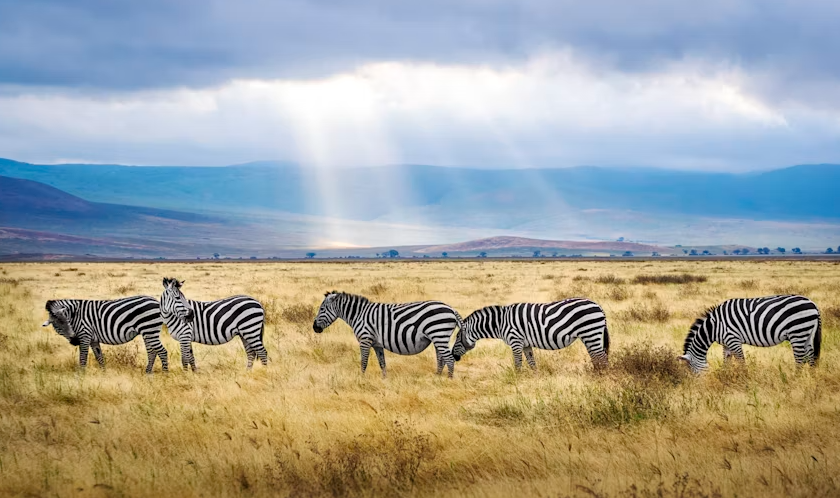
The Great Migration is one of Tanzania's most remarkable natural events. Each year, huge herds of wildebeest and zebra move across the Serengeti ecosystem in search of fresh grazing land. While photographs often capture dramatic river crossings, the experience of seeing the migration in person provides a much deeper understanding of the scale of nature.
Travellers quickly realise that the migration is about more than a single moment. It is an ongoing cycle shaped by rainfall, grass growth, predators, and survival. Spending time in migration areas allows visitors to observe different stages of this journey and appreciate how closely connected species are within the ecosystem. The experience often leaves people with a new perspective on the natural world and its complexity.
Learning Through Local Connections
Meaningful travel often comes from the people you meet along the way. Tanzania offers many opportunities to learn about local life through respectful cultural experiences and conversations with residents. Communities across the country maintain traditions that have been passed down through generations, while also adapting to modern life.
Visitors who take time to engage with local guides, artisans, farmers, and community leaders often gain insights that cannot be found in guidebooks. These interactions help explain daily routines, cultural values, local history, and regional traditions. They also create a more balanced understanding of Tanzania beyond its wildlife. When approached with genuine curiosity and respect, cultural experiences can become some of the most memorable parts of a journey and often stay with travellers long after they return home.
The Value of Slower Travel
Many destinations encourage travellers to move quickly from one attraction to another. Tanzania rewards a different approach. Spending more time in fewer locations allows visitors to experience places more fully and notice details that might otherwise be missed.
A longer stay in a safari camp gives travellers the chance to observe changes in wildlife activity throughout the day. Extra time in a coastal town allows for conversations with residents, visits to local markets, and a better understanding of everyday life. Slower travel also reduces the pressure of constantly moving between destinations. Instead of focusing on how much can be seen, travellers can focus on the quality of each experience. This approach often leads to stronger memories and a more rewarding connection with the country.
A Country of Constantly Changing Landscapes
One reason Tanzania leaves such a strong impression on visitors is the variety of landscapes found within a single country. Travellers can move from wide grasslands and volcanic craters to mountains, lakes, forests, and tropical beaches, often within the same itinerary.
The Serengeti offers open plains that stretch far beyond the horizon, while the Ngorongoro Crater presents a completely different environment filled with wildlife and dramatic scenery. Mount Kilimanjaro attracts those interested in trekking, and Lake Tanganyika introduces visitors to one of Africa's most impressive freshwater regions. Along the coast, Zanzibar provides a slower pace and a rich cultural atmosphere shaped by centuries of trade and migration. This diversity keeps travel in Tanzania engaging from beginning to end.
Conservation You Can See First-Hand
Tanzania gives travellers a clear view of why conservation matters. Its protected areas support wildlife, local jobs, research, guiding, and long-term habitat protection. When visitors spend time with experienced guides, they learn how animal behaviour, seasonal movement, water sources, and human activity all connect. This adds depth to a safari because each sighting comes with context. A lion resting near a track, a herd of elephants moving towards water, or vultures gathering after a hunt can all reveal something about the wider ecosystem. Responsible tourism also supports many lodges, park staff, and community projects. Travellers should choose operators that respect park rules, use skilled guides, and treat wildlife viewing as a privilege rather than a race.
Zanzibar Adds Culture and Coastline
Zanzibar brings a completely different rhythm to a Tanzania journey. After dusty tracks and early game drives, the coast gives travellers time to slow down and absorb another side of the country. Stone Town is a good starting point because its narrow streets, carved doors, markets, and old trading history show how African, Arab, Indian, and European influences shaped the island. Spice farms offer a simple, hands-on way to learn about cloves, cinnamon, vanilla, and other crops linked to Zanzibar’s past and present. The beaches are beautiful, of course, but the island rewards curious visitors most. Local food, dhow trips, small villages, and conversations with guides make Zanzibar feel like part of the journey rather than an afterthought.
Tanzania stands out because it gives travellers room to connect with a place in a real way. The wildlife is extraordinary, but the value of the journey comes from much more than sightings. Guides explain the land with care, communities share local knowledge, landscapes change from one region to the next, and every day brings a chance to understand something new. A meaningful trip here needs thoughtful planning, enough time, and a willingness to slow down. When travellers approach Tanzania with curiosity rather than a checklist, they gain a richer experience. They return with memories shaped by people, wildlife, culture, and place, which is why Tanzania remains such a powerful destination for purposeful travel.