
How Do You Choose the Right Road Roller for Any Job?
Choosing a road roller affects how strong, smooth, and durable your finished surface will be. The wrong machine can leave weak spots, wasted fuel, and delays, while the right one delivers fast, uniform compaction that meets specs. Contractors must match roller type, drum configuration, and weight to the material and project scale. You also need to think about site access, operator comfort, and ongoing maintenance costs. Modern brands like SANY offer a wide range of rollers, from compact models for tight sites to heavy-duty machines for highways and airports. This guide explains the main types of road rollers, key selection factors, and how SANY rollers fit into different applications so you can choose confidently for any job.
Understand the Different Types of Road Rollers
Smooth Drum, Padfoot, and Pneumatic Tire Rollers
Smooth drum rollers use a steel drum to deliver a flat, even finish. Contractors select them for asphalt layers, granular bases, and projects that demand a tight, smooth surface, such as highways and urban roads. Padfoot rollers have tapered pads on the drum that knead and penetrate the soil. They excel on cohesive materials like clay or silt, where you need deep, uniform compaction to prevent settlement. Pneumatic tire rollers use multiple rubber tires instead of a drum. Operators can adjust tire pressure to vary contact pressure, which helps seal asphalt mats, bridge joints between layers, and improve density on chip seals.
Single Drum vs. Double Drum Rollers
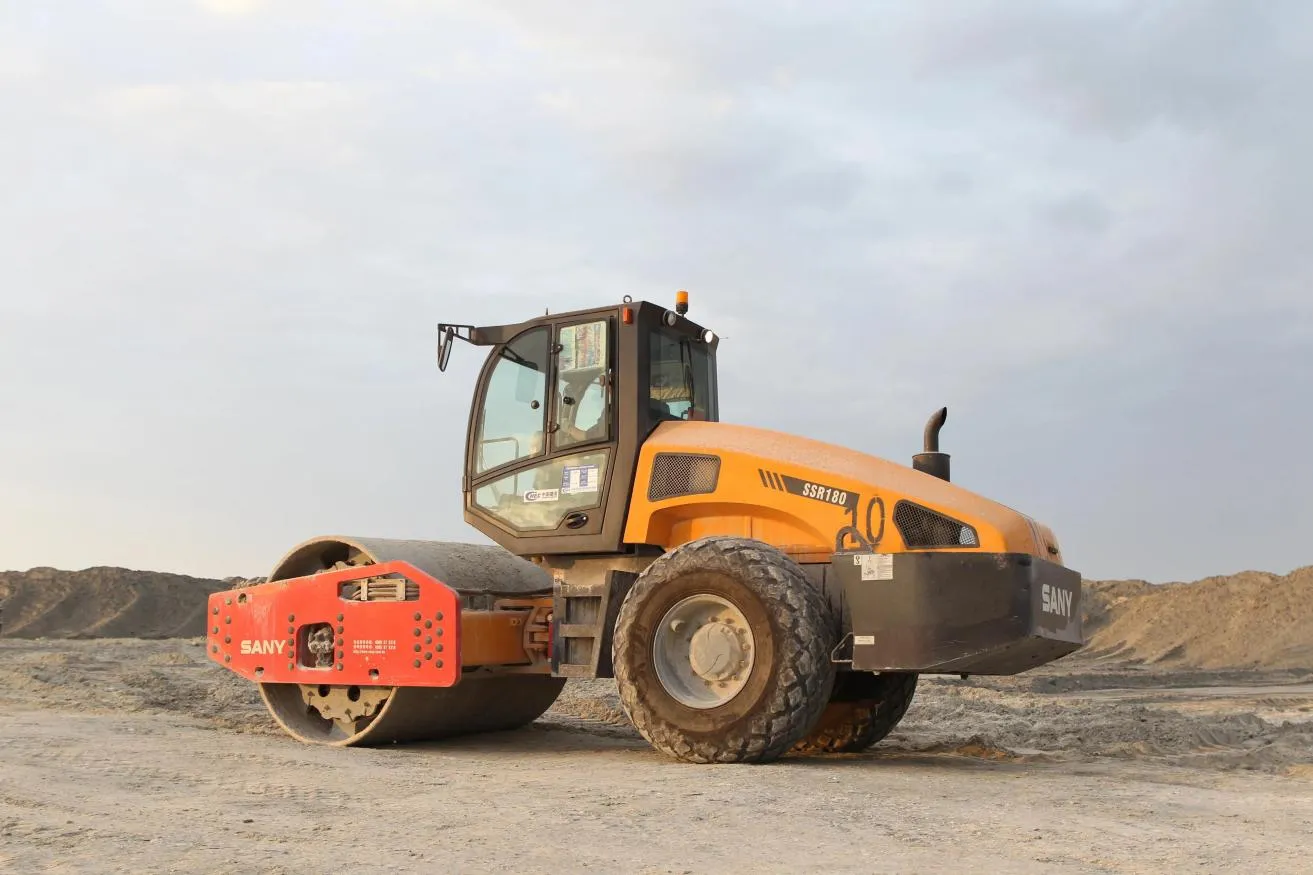
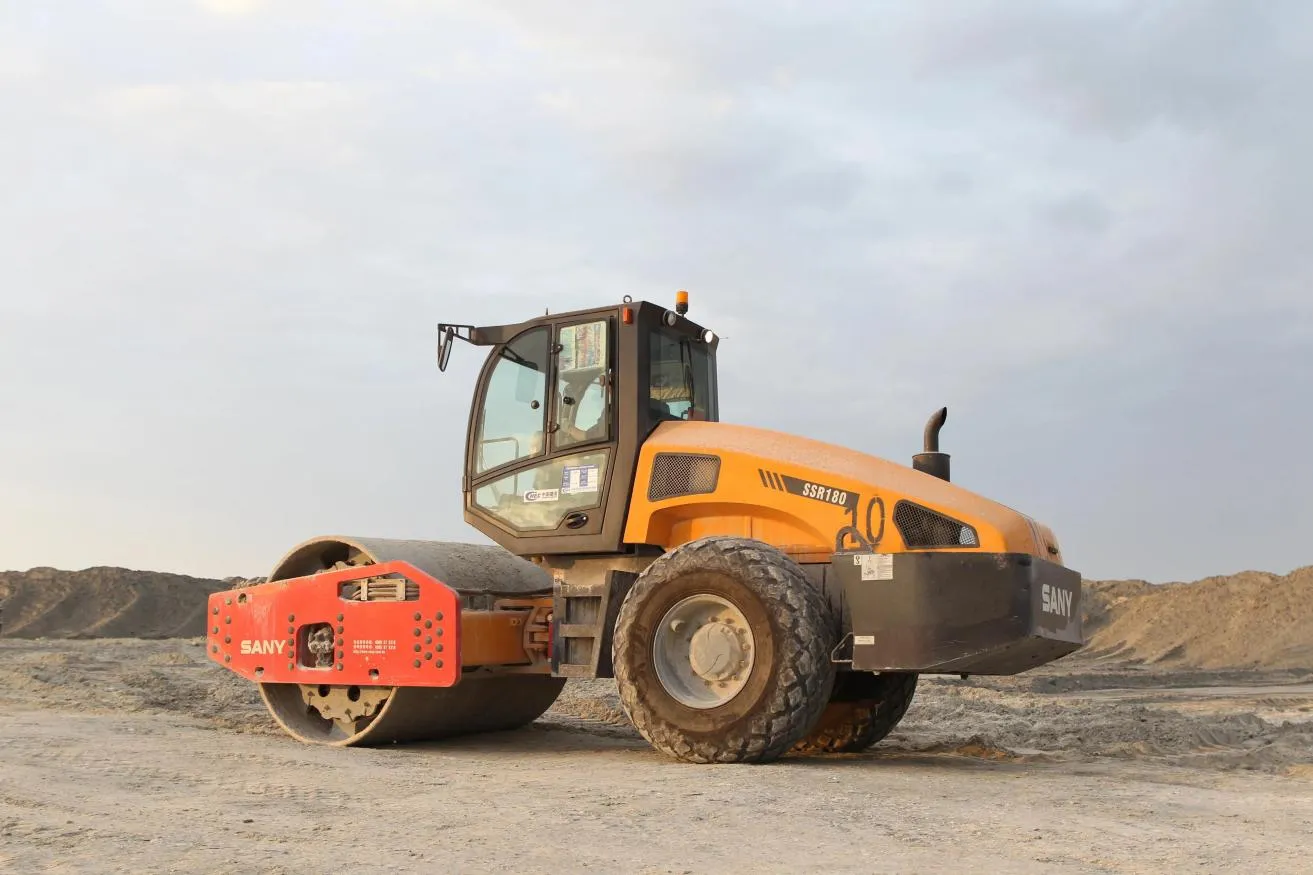
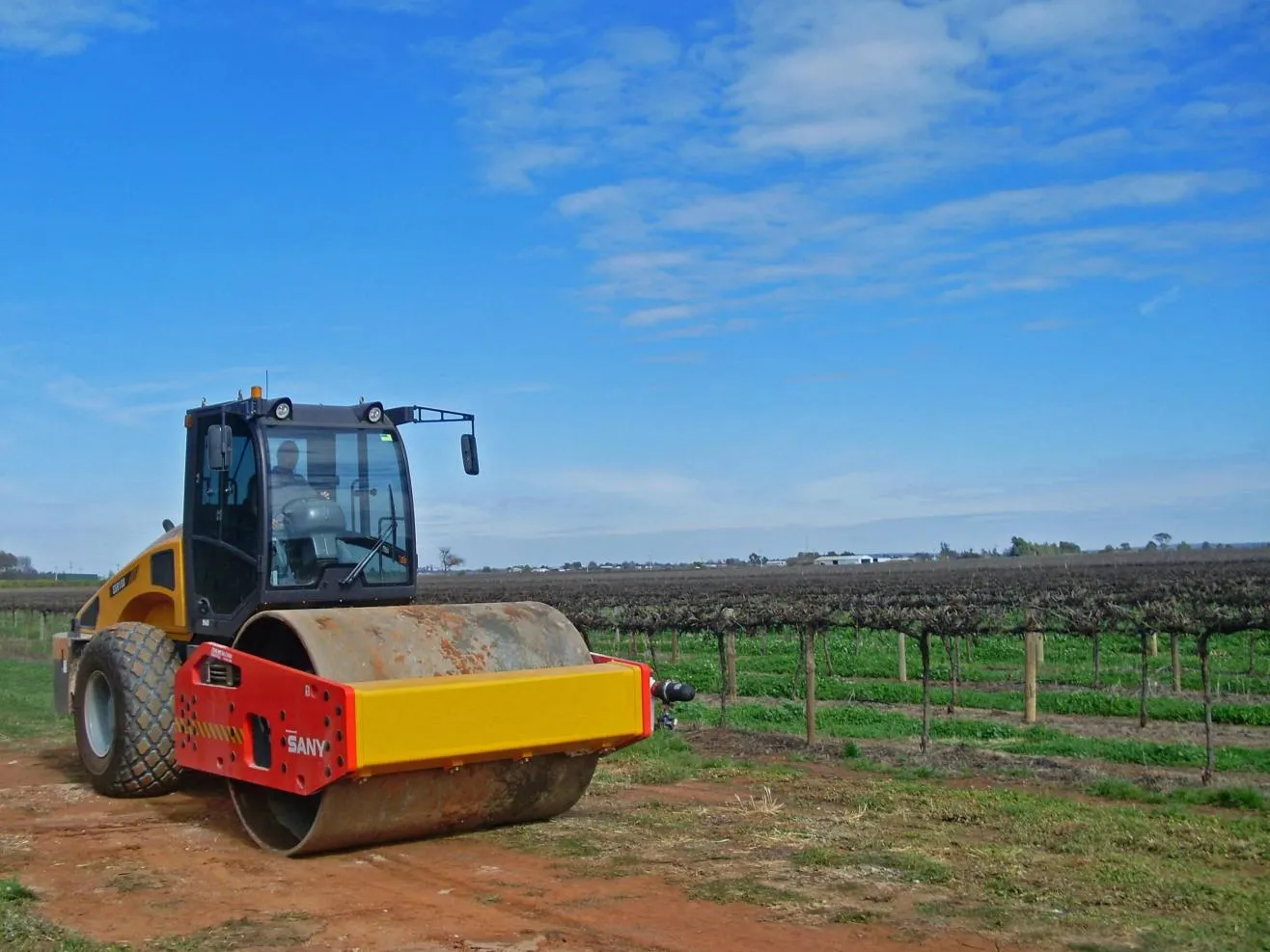
Single drum rollers have one large drum at the front and rubber tires at the rear. They work well for soil and aggregate compaction where traction and stability matter, such as embankments, landfills, and large earthworks. The tires drive the machine and help knead material, while the drum provides focused compaction energy. Double drum rollers use two steel drums, front and rear, which compact and smooth the surface in one pass. Contractors rely on them for asphalt paving in urban streets, parking lots, and highways where finish quality is critical. Double drums deliver excellent surface evenness but lack rear tires, so they are less suited to steep or very soft ground.
Key Factors to Consider When Choosing a Road Roller
Material Type and Compaction Requirements
Start with the material you need to compact. Cohesive soils like clay require padfoot rollers, which use kneading action and high contact pressure to reach deeper layers. Granular materials such as sand, gravel, and crushed stone respond better to smooth drum vibratory rollers that rearrange particles through vibration. For asphalt, double drum or pneumatic tire rollers help reach the specified density while maintaining a smooth finish and preventing surface tearing. Consult project specifications for target density, lift thickness, and number of passes. Higher compaction requirements or thicker lifts may call for heavier rollers, higher amplitude vibration, or multiple roller types working in sequence. Factor in moisture content as well; overly wet or dry soils will not compact properly, no matter the roller.
Project Size, Site Conditions, and Roller Weight
Project scale drives roller size. Large highways, airports, and dams benefit from heavier, higher‑productivity rollers that cover wide widths and deliver strong compaction energy. Smaller city streets, driveways, and patch repairs need compact rollers that maneuver easily and fit tight spaces. Site conditions also matter. Soft or sloped ground requires machines with good traction, appropriate drum width, and a low center of gravity to maintain stability. Check haul routes, bridge limits, and access roads to choose a roller weight that can safely reach the jobsite. Regulatory load limits may restrict transport weight, influencing whether you select a lighter model or use ballast. Also consider fuel efficiency, vibration control, and operator visibility on congested sites.
SANY Road Rollers for Different Applications
Features and Benefits of SANY Rollers
SANY road roller offers a broad lineup that covers soil, aggregate, and asphalt compaction needs. Many models use advanced vibratory systems with adjustable frequency and amplitude, enabling operators to adapt quickly to different materials and layer thicknesses. Robust frames, powerful engines, and efficient hydraulic systems help deliver high compaction force with low fuel consumption. Operator cabins often feature wide visibility, ergonomic controls, and vibration‑damping seats to reduce fatigue and improve safety on long shifts. SANY integrates intelligent monitoring systems on many rollers, allowing real‑time tracking of parameters such as vibration settings, travel speed, and hours worked, which supports better fleet management. Easy access to service points and common parts across models simplifies maintenance.
Choosing the Right SANY Model for Your Project
When selecting a SANY roller, align the model with your core tasks. For heavy earthworks, consider larger single drum vibratory rollers that deliver high static weight and strong centrifugal force for deep soil compaction. For road base and asphalt paving, SANY double drum models provide consistent mat smoothness and reliable density across wide widths. Urban contractors who handle patching and small jobs may favor compact SANY rollers with tight turning radii and excellent maneuverability. Review specifications such as operating weight, drum width, vibration frequency, amplitude, and gradeability against project requirements. Also compare cab options, fuel efficiency, and telematics availability.
Conclusion
Selecting the right road roller starts with understanding material behavior, compaction targets, and project scale. Smooth drum, padfoot, and pneumatic tire rollers each bring strengths for specific applications, while single and double drum configurations suit different stages of road construction. Weight, maneuverability, and site conditions further refine the choice, helping you balance productivity, safety, and quality. SANY’s range of rollers, with adjustable vibratory systems, operator‑friendly cabins, and smart monitoring, offers practical solutions for earthwork, base preparation, and asphalt paving. By combining clear project requirements with careful comparison of roller types and model features, you can build a compacting fleet that consistently delivers dense, durable, and smooth surfaces on every job.