
Why Materials That Blend Beauty, Durability and Sustainability Matter
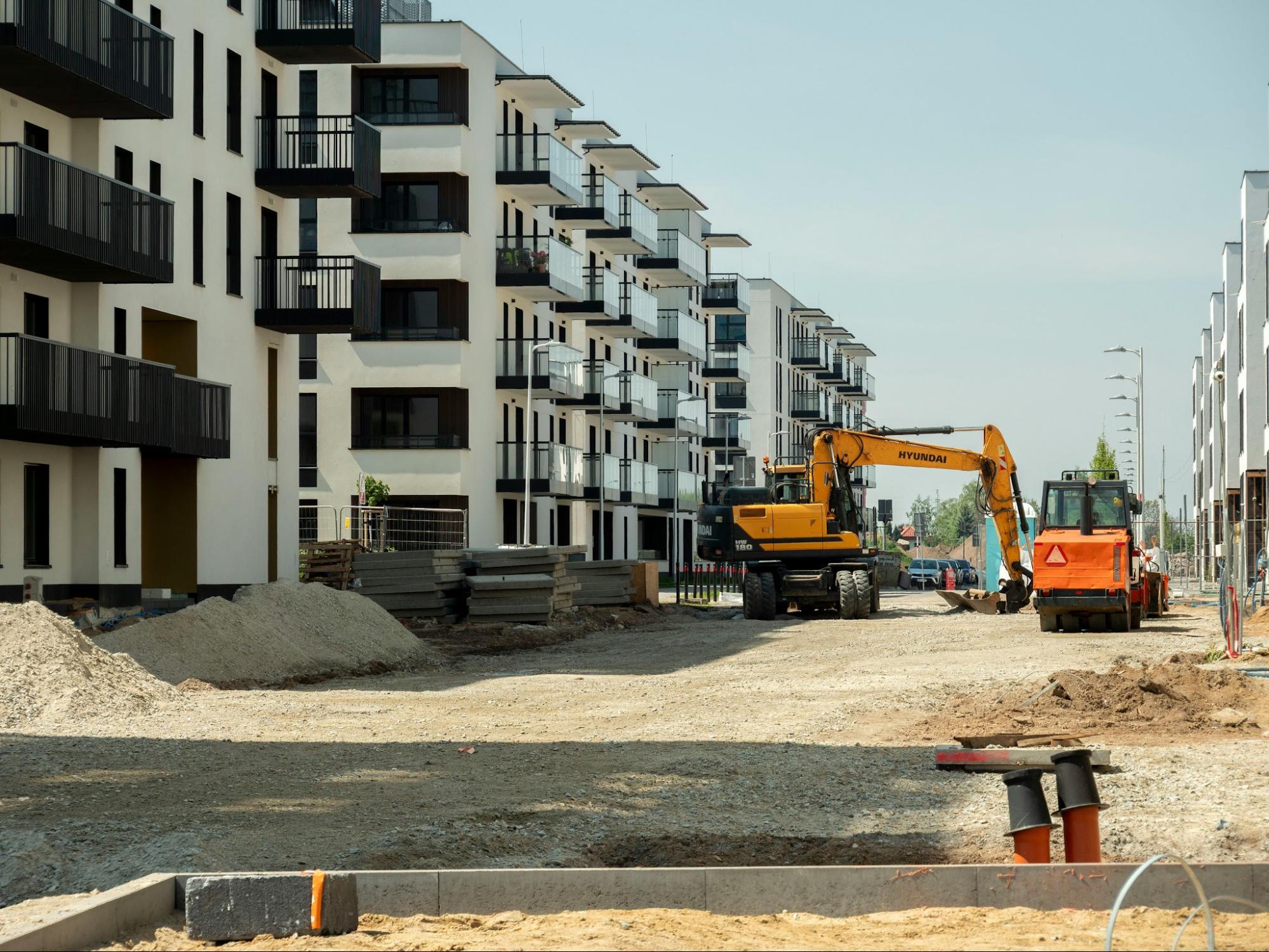
Modern building and design decisions are no longer driven by appearance alone. Today, materials need to do more. They have to look good, perform well over time, and meet growing environmental expectations. Whether it's a residential renovation or a large commercial project, the pressure to choose smarter, more responsible materials is shaping the way architects, builders and homeowners approach every detail.
This shift isn't just a trend. It reflects a bigger change in how people think about space, value and long-term impact. Materials are now expected to deliver on multiple fronts: strength, style and sustainability without compromise.
Why material choice carries more weight than ever
In the past, material selection often prioritized cost or appearance first. But that approach is changing quickly. Climate concerns, rising energy costs and stricter building standards are pushing professionals to rethink what "good materials" actually mean.
Durability is now just as important as design. A surface that looks beautiful but wears down quickly creates long-term waste and higher replacement costs. At the same time, materials that last but look outdated or feel uninspired are no longer acceptable in modern design thinking.
This is where terms like sustainable materials, durable home materials and eco-friendly building materials move from marketing language into practical requirements. Products such as bamboo decking are increasingly being considered in this category, as they offer a balance of strength, longevity and environmental performance. Projects are now expected to balance performance with responsibility, not choose between them.
Where beauty meets performance
A well-designed space relies on harmony between structure and finish. Floors, walls and exterior surfaces are not just functional; they define the entire feel of a space. That's why beautiful home materials are increasingly being engineered to perform under pressure while still maintaining natural aesthetics.
For exterior applications in particular, materials need to withstand moisture, temperature shifts, UV exposure and heavy use. Traditional options often struggle to balance all these demands without significant maintenance. As a result, demand is growing for high-performance materials that reduce upkeep while maintaining a clean and natural look.
There is also a growing preference for natural building materials that offer texture and warmth without sacrificing resilience. People want surfaces that feel grounded and organic, but also fit into modern architectural lines.
Key benefits of combining sustainability and durability
When materials are designed to meet both environmental and performance goals, the advantages are significant:
- Reduced maintenance requirements over time, saving both cost and effort
- Longer product lifespan, reducing the need for frequent replacements
- Improved environmental impact through lower waste and resource consumption
- Greater design flexibility across residential and commercial projects
- Better alignment with modern sustainable design principles
These benefits are not abstract. They directly influence project budgets, timelines and long-term satisfaction with finished spaces. Choosing sustainable design choices is increasingly seen as a practical decision rather than a purely ethical one.
Why sustainability is no longer optional
Sustainability has moved from a niche concern to an industry standard. Builders and designers are now expected to demonstrate environmental awareness in material sourcing and construction methods. This shift is being driven by both regulation and consumer demand.
Homeowners are more informed than ever. They want spaces that reflect their values, including lower environmental impact and responsible sourcing. At the same time, commercial developers are under pressure to meet sustainability benchmarks and certifications.
This has placed greater emphasis on long-lasting materials that reduce lifecycle impact. Instead of replacing or repairing surfaces frequently, the goal is now to invest in solutions that remain functional and visually appealing for years. In many cases, this also ties into broader goals like energy efficiency, reduced carbon footprint and healthier indoor-outdoor living environments.
A closer look at bamboo as a modern building solution
One material that continues to gain attention in this space is bamboo, especially in exterior applications. Engineered bamboo products have evolved significantly, offering strength levels that rival or exceed many traditional hardwoods while maintaining a lower environmental footprint.
Products like bamboo decking are being used in both residential and commercial projects for outdoor spaces where durability and appearance are equally important. Unlike some conventional materials, bamboo-based solutions are designed to handle exposure to the elements while maintaining structural integrity and visual consistency over time.
This makes them a strong option for architects and builders who need reliable, eco-friendly building materials without compromising on design intent. The appeal also lies in its versatility. Bamboo-based products can be used in decking, cladding, soffits and other exterior finishes, creating a consistent aesthetic across different surfaces.
What stands out most is how it bridges multiple demands at once. It delivers a natural appearance, supports sustainability goals and meets the expectations of high-performance materials used in modern construction.
The future of building and design isn't about choosing between beauty, durability and sustainability. It's about integrating all three. As expectations continue to rise, materials must work harder and smarter, supporting both design ambition and environmental responsibility.
Whether in residential homes or large-scale developments, the shift toward sustainable materials shows a broader understanding: good design isn't just what you see, but how it performs over time and what it costs the environment.