
Brewery Taproom vs. Traditional Bar: Should Your Music Strategy Be Different?
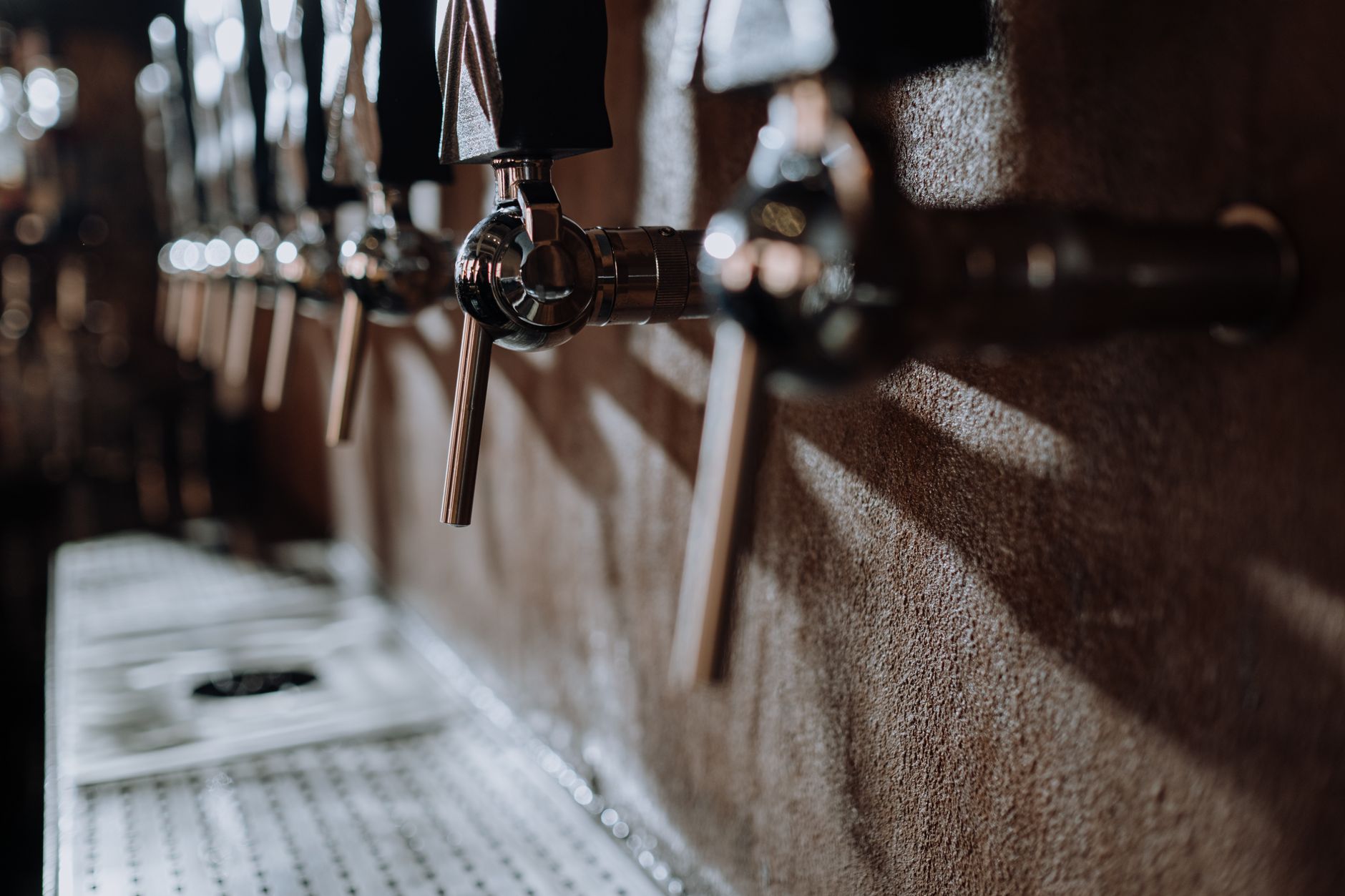
Walk into a well-run craft brewery taproom on a Saturday afternoon, then walk into a bustling cocktail lounge that same evening. Both serve alcohol. Both have music playing. Both want happy customers who stay longer and spend more.
Yet, nearly everything else about these spaces is completely different.
The demographics are different, the operational pace is different, and the core psychological reason people visit is different. If you are treating music for bars and taprooms as completely interchangeable—running the exact same playlist in both settings—you’re leaving both revenue and guest experience on the table.
Here is why these two formats require entirely distinct sonic strategies, and how modern zone-based audio control solves the problem.
The Taproom Customer Isn't There to Party
This is the foundational difference that many multi-venue operators overlook:
- The Traditional Bar is primarily a social destination. Patrons visit to meet others, celebrate, unwind, and submerge themselves in the collective energy of a crowd. The soundtrack must match this active intention. It should be upbeat, engaging, and designed to build toward peak hours.
- The Brewery Taproom is primarily a tasting destination. Customers are there with a discovery mindset: they are evaluating beer flights, discussing flavor profiles, and asking Cicerone-certified staff what is fresh on draft.
Playing high-BPM, club-adjacent music in a taproom creates immediate cognitive friction. You are asking guests to concentrate on a nuanced product while the acoustic environment actively fights against concentration. It is the sensory equivalent of turning on bright, fluorescent office lights inside an intimate wine lounge.
Music for Bars: The Traditional Venue Strategy
In a traditional bar or cocktail lounge, music has to do active heavy lifting. It isn't passive background noise; it’s a core product that guests are paying for via their bar tab. The atmosphere is the experience.
The Traditional Playbook
- Energy Escalation: Start the shift at 85–95 BPM during happy hour, build gradually through the dinner-to-drinks transition, and push toward 115–125+ BPM during peak late-night hours.
- Genre Selection: Lean into classic rock, upbeat indie, hip-hop, and timeless pop. These genres are familiar and socially energizing. Shared musical recognition fosters a vibrant sense of community in the room.
- Volume Levels: Audio levels can and should run higher here than in a taproom. Traditional bar patrons expect a wall of sound—a certain level of acoustic energy signals that the venue is alive and the night is in full swing.
Taproom Music Strategy: The Craft Culture Playbook
A taproom's soundtrack should support conversation and product education, never compete with it. Volume must remain genuinely conversational; if a guest has to yell to ask a bartender about the hops in their IPA, your music is working against your sales goals.
The Taproom Playbook
- Pacing: Keep the tempo in a comfortable 70–95 BPM range across the entire day. This injects enough energy to make the room feel alive without dominating the space.
- Genre Selection: Craft beer culture has a very specific, earthy aesthetic. Americana, indie folk, lo-fi hip-hop, mid-tempo classic rock, and blues all feel deeply congruent with a taproom environment. They signal craft, intentionality, and a relaxed, authentic confidence—values that translate directly to the liquid in the glass.
- Consistency: Unlike a traditional bar, a taproom's audio profile should remain relatively stable from opening to close rather than escalating dramatically.
The Hybrid Challenge: Taprooms with Night Service
Where this truly gets complicated is the modern hybrid venue—taprooms that feature tasting-focused afternoons but transition into high-volume bar environments on Friday and Saturday nights.
Using a single, static playlist means you are alienating half your customer base. The afternoon crowd wants discovery and low-key conversation; the evening crowd wants an energetic social anchor.
Enter Zone-Based Audio Control
The most practical solution for multi-faceted spaces is zone-based audio control combined with automated daypart scheduling. Instead of blasting a single audio feed across your entire square footage, purpose-built commercial streaming platforms allow you to fragment your atmosphere:
- The Multi-Zone Approach: If you have an indoor tasting room and an outdoor beer garden, you can simultaneously run energetic, modern indie indoors while maintaining a calm, acoustic folk vibe around the fire pits outside.
- The Automated Transition: Set your system to automatically pivot at 6:00 PM on weekends—seamlessly shifting the tempo and genre from casual daytime taproom to high-vibe evening bar service without requiring a busy bartender to manually change a device mid-shift.
Summary: One Footprint, Two Strategies
|
Metric |
Traditional Bar Strategy |
Brewery Taproom Strategy |
|
Primary Goal |
Build social energy & crowd momentum |
Support conversation & flavor discovery |
|
BPM Range |
85–125+ BPM (escalating across the night) |
70–95 BPM (consistent throughout the day) |
|
Core Genres |
Pop, hip-hop, upbeat indie, classic rock |
Americana, indie folk, blues, lo-fi hip-hop |
|
Volume Level |
Medium-high (signals a lively destination) |
strictly conversational (supports staff interaction) |
Of course, none of this nuanced strategy matters if the music itself isn't properly licensed in the first place. Whether you're running a single static playlist or a sophisticated multi-zone, daypart-scheduled setup, both formats are legally classified as public performances the moment that music plays for paying customers, and personal streaming accounts like a manager's individual Spotify login don't cover that use case.
Getting music licensing for business sorted at the platform level means taprooms and bars can experiment freely with BPM curves, genre shifts, and zone splits without worrying about compliance — the legal groundwork is handled, so the only decisions left are the creative ones.
Traditional bars and craft taprooms aren't competing for the same consumer headspace; they serve entirely different guest intentions. The most successful operators understand that every single detail of the environment—especially the soundtrack—must be precisely tailored to those intentions.