
How Quality Parts Support Long-Term Vehicle Care
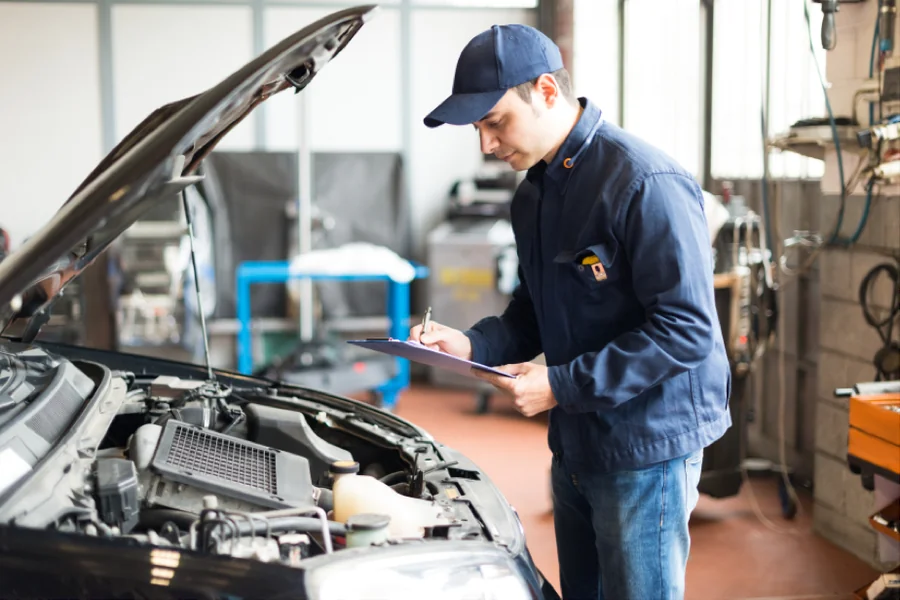
Long-term vehicle care involves more than completing routine services on schedule. The standard of each replacement component also affects your vehicle’s reliability, safety and running costs. Parts produced to suitable specifications fit correctly, withstand expected operating conditions and work effectively with surrounding systems. By choosing dependable components, you can reduce premature wear, avoid repeat repairs and keep your vehicle roadworthy for longer.
Maintaining Consistent Vehicle Performance
Quality components are manufactured to defined requirements for dimensions, materials and performance. Correctly matched filters, belts, bearings and ignition parts allow your vehicle’s mechanical and electrical systems to operate as intended. Poorly matched alternatives can cause reduced performance, unusual noises, increased fuel consumption or additional strain on connected components.
When considering specialist online auto parts retailers such as Rolan Australia genuine auto parts and accessories for a scheduled repair, you should still confirm that the chosen component matches your vehicle’s make, model, production year and engine variant. Checking the Vehicle Identification Number (VIN), engine code, and original part number reduces the risk of selecting a visually similar but incompatible component. Accurate matching allows a quality part to deliver its intended performance and service life.
Reducing Wear on Connected Components
Your vehicle’s parts rarely function independently. A component that performs poorly can transfer additional stress to neighbouring assemblies. An unsuitable drive belt may affect pulleys and tensioners, while an ineffective filter can allow contaminants to circulate through the engine or fuel system.
Well-made parts are better suited to handling heat, vibration, pressure and friction. They also help preserve the correct operating tolerances, which are the permitted variations between interacting components. Maintaining these tolerances limits unnecessary mechanical stress and supports the longevity of the wider system.
Protecting Safety-Critical Systems
The quality of your vehicle’s brake, steering and suspension components directly influences how it responds on the road. Brake pads must deliver predictable friction, while reliable suspension parts help maintain tyre contact, steering control and stability during braking or cornering.
You should choose safety-related components that meet the vehicle manufacturer’s specifications and relevant Australian requirements. Correct installation is equally important. Even a high-quality part may perform poorly if it is fitted incorrectly or combined with another component that is already excessively worn.
Preventing Repeat Repairs
A low-cost component may reduce your initial repair bill, but premature failure can result in another purchase, further labour charges and additional vehicle downtime. In some cases, a failed part can also damage nearby components, increasing the eventual cost of the repair.
Quality parts are more likely to perform consistently throughout their expected service intervals. You can assess their value more accurately through whole-of-life cost, which considers purchase price, installation, durability, maintenance and future replacement expenses. A dependable part may cost more initially while proving more economical over your vehicle’s remaining life.
Making Servicing More Predictable
Dependable filters, spark plugs, fluids and belts allow technicians to follow established maintenance schedules with fewer unexpected complications. Correctly specified replacements can be matched against an original equipment manufacturer (OEM) reference or an equivalent part number, reducing fitment problems and inconsistent symptoms that make later faults difficult to diagnose.
You should record the component fitted, its part number, installation date, warranty details and your vehicle’s mileage. Accurate documentation helps you track component life, plan upcoming maintenance and provide evidence if a warranty claim becomes necessary. It also gives future technicians useful information about previous repairs.
Preserving Vehicle Condition and Value
Quality components help you maintain drivability, fuel efficiency and overall mechanical condition. You cannot avoid normal wear entirely, but reliable replacements can slow its effects and reduce the likelihood of minor faults developing into expensive damage.
A documented repair history may also support your vehicle’s resale value. Prospective buyers can assess its condition more confidently when your records show consistent servicing and the use of properly matched replacement components.
Building Quality Into Routine Care
Quality parts support long-term vehicle care by maintaining performance, reducing mechanical strain and protecting essential safety systems. When you combine dependable components with correct installation, timely servicing and accurate records, you can extend your vehicle’s useful life and make ownership costs more predictable.