
Recovering After an Attack: A Guide to Dog Bite Laws and Resources in Denver
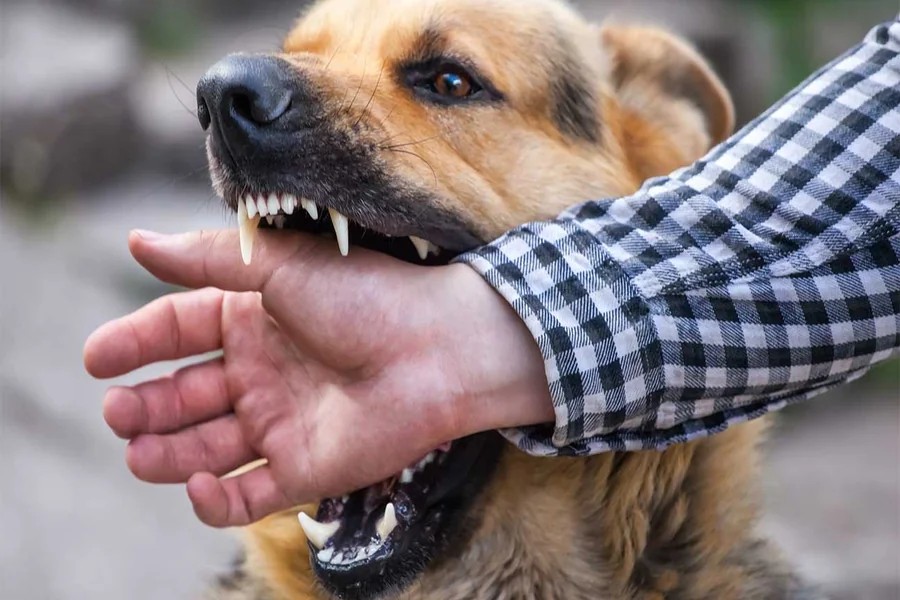
If an aggressive animal recently hurt you or someone close to you, securing financial relief and compensation for dog bite victims in Denver is likely high on your list of priorities to help manage mounting costs. Denver is an active city where thousands of residents enjoy spending time with their pets. However, an unexpected animal attack can turn your life upside down in seconds. From the busy loop around Washington Park to the sidewalks of Cherry Creek, seeing dogs is a regular part of daily life here. Most interactions stay friendly, but a single bite can lead to serious physical harm and lasting anxiety.
When a sudden attack occurs, shock makes it tough to decide what to do next. Learning how Colorado laws work and following clear steps can make a massive difference in your recovery. Here is a practical look at local legal facts, medical advice, and city resources to help you protect your rights and move forward.
The Reality of Dog Attacks in Denver
Denver ranks high among pet friendly cities in the country. Local owners love taking their dogs to places like Railyard Dog Park or out on the trails near the foothills. At the same time, high numbers of pets mean a higher chance of bad encounters. National data from health agencies shows that millions of bites happen across the country each year, and many of them require emergency treatment.
In crowded areas, these incidents often take place where people and pets share narrow paths. Whether you are jogging along the Platte River Trail or visiting a neighbor in Capitol Hill, you count on owners to control their pets. Unfortunately, loose leashes, lack of training, or sudden loud noises can cause even a calm dog to react unpredictably.
How Colorado Dog Bite Laws Work
Colorado handles animal attacks differently than many other states. You might have heard of the old standard where an owner gets a free pass for a first bite if the animal never showed aggression before. Colorado does not use that rule for major injuries. Instead, state law holds owners strictly accountable when an attack causes severe physical harm.
Under state statutes, if a dog bite causes serious injury or death while you are lawfully in a public place or on private property, the owner is responsible. You do not have to prove that the owner was careless or knew the dog was dangerous. For less severe injuries, you can still bring a claim based on negligence. That means showing the owner failed to take reasonable steps to control their animal.
Why Dogs Bite and Ways to Stay Safe
Understanding why these incidents happen can help you avoid danger. Dogs rarely bite without a reason. Most of the time, they react out of fear, stress, or a desire to protect something. A dog might guard its food, its puppies, its yard, or its human family. In some cases, past abuse or poor training makes a dog extra nervous around crowds in the city.
When walking through Denver neighborhoods, adopting basic safety habits pays off:
- Always ask an owner for permission before touching their pet.
- Never approach an unfamiliar animal that is tied up or sitting behind a fence.
- If a loose dog approaches you, stand still like a tree, avoid direct eye contact, and stay quiet. Running away often triggers a dog’s natural instinct to chase.
Important Steps Right After an Attack
The choices you make right after an attack affect both your health and any potential legal case. Seeking medical care must come first. Even small bites introduce bacteria deep into your skin, creating a risk for dangerous infections. Visit a nearby emergency room or urgent care center right away so a medical professional can clean and treat the wound.
Once you receive treatment, report what happened to local authorities. You can contact Denver Animal Protection or the local health department. Officers will look into the event, review the dog’s vaccination history, and order a quarantine if needed. This official report links your injuries directly to the specific animal.
Gathering evidence is another critical step:
- Use your phone to take clear photos of your injuries, your clothing, and the spot where the attack happened.
- Collect the owner’s full name, phone number, and homeowner insurance details.
- Speak to any bystanders who witnessed the incident and write down their contact info, as neutral witness statements add huge value to your claim.
The Long-Term Effects of an Animal Attack
Physical wounds are only part of the story. Victims often suffer from deep cuts, damaged nerves, torn muscles, and permanent scars that require specialized care down the road. Beyond physical recovery, the emotional impact can linger for years. Adults and young children alike frequently deal with anxiety, nightmares, and a sudden fear of animals.
Because healing takes time, calculating the real cost of your recovery is complicated. Working with a legal team helps you look at every angle. They help you build a case that accounts for immediate hospital bills, ongoing physical therapy, plastic surgery, and lost income from missed days at work.
How Local Insurance Policies Handle Claims
Many people hesitate to take action because the dog belongs to a friend, family member, or neighbor. Remember that in most circumstances, you are not asking for money out of your friend’s personal bank account. These claims usually go through a homeowner or renter insurance policy.
These coverage plans exist specifically to handle accidental injuries caused by pets. An experienced attorney can deal directly with insurance adjusters to reach a fair settlement without damaging your personal relationship with the owner. Having someone handle the phone calls and legal paperwork lets you focus entirely on your physical recovery.