
Designed to Last: How Hotels Choose Floors for Heavy Foot Traffic
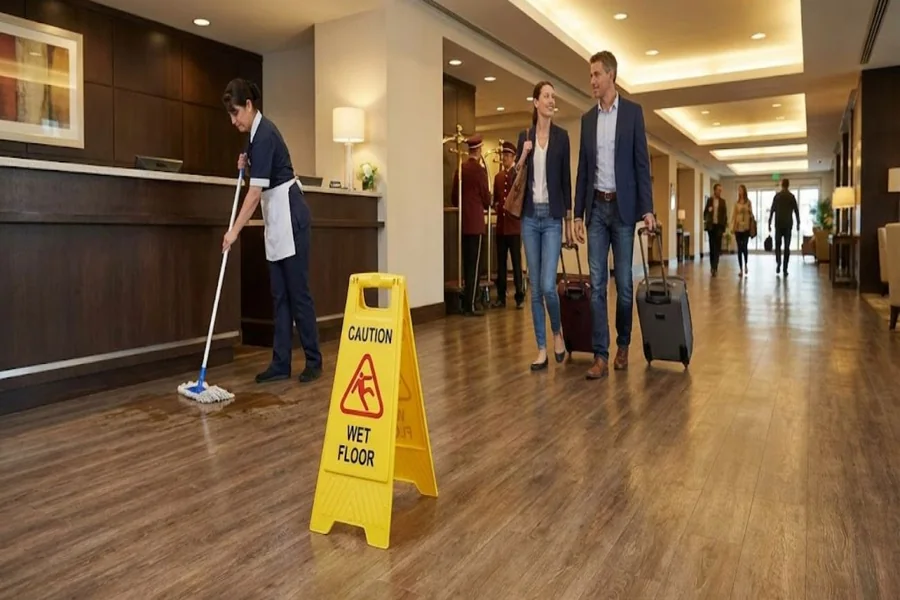
Imagine tens of thousands of guests walking through a main entrance every single month. They pull heavy 50-pound rolling suitcases, spill hot coffee, track in muddy rainwater, and walk in sharp high heels.
Hotel flooring faces a non-stop physical assault 24 hours a day, 365 days a year. Yet, when you walk into a luxury resort or a high-end boutique hotel, the floors are expected to look immaculate, stylish, and inviting.
Achieving this balance between high-end aesthetics and industrial-strength durability is not an accident. Hotel interior designers and facility managers follow a precise science when picking materials for high-traffic environments. Here is a look behind the scenes at how hotels select floors that withstand heavy foot traffic without losing their charm.
How Do Hotels Select Flooring for High-Traffic Areas?
Hotels select flooring by evaluating abrasion resistance ratings, sound reduction capabilities, slip resistance, maintenance requirements, and long-term lifecycle costs.
Rather than using one single material throughout the building, hotel designers customize their flooring choices by specific functional zones—pairing heavy-duty hard surfaces in lobbies with cushioned, sound-absorbing materials in guest corridors.
1. Matching Flooring Materials to Specific Hotel Zones
A major mistake in commercial design is attempting to use a uniform flooring type across an entire property. Each zone in a hotel serves a completely different operational purpose and faces different stress factors.
Designers break down the property into distinct zones:
- Lobbies and Reception Areas: These spaces experience the heaviest foot traffic, rolling luggage, and wet weather intrusion. Hotels typically opt for natural stone, terrazzo, or large-format porcelain tile because they offer maximum compressive strength and are easy to mop clean.
- Guest Room Corridors: Hallways require maximum acoustic control. Densely woven commercial carpets or carpet tiles dominate these spaces to quiet late-night footsteps and rolling housekeeping carts.
- Guest Rooms: Modern hotels are increasingly moving toward luxury vinyl plank (LVP) with soft area rugs, giving the room a clean, residential feel while allowing quick disinfection between guests.
- Dining and Bar Spaces: High moisture, food spills, and grease demand non-porous, slip-resistant materials like quarry tile, sealed terrazzo, or commercial-grade LVP.
2. Deciphering Commercial Wear Layer Thickness and Durability Ratings
When evaluating hard-surface materials like Luxury Vinyl Plank or laminate, hotel buyers look far beyond the surface color pattern. Their primary focus is the protective clear top coat—the wear layer.
Residential vinyl flooring typically features a wear layer between 6 mil and 12 mil thick. In contrast, hotel planners require a commercial wear layer thickness of at least 20 mil to 28 mil (or 0.5mm to 0.7mm). This heavy-duty clear urethane shield prevents scuffs from luggage wheels, scratches from furniture legs, and gouges from dropped items.
For carpeted areas, hospitality specifiers analyze fiber density, twist sets, and tuft bind strength. Solution-dyed nylon is the gold standard for hotel carpets because the color is locked into the fiber core during manufacturing, allowing staff to scrub out stubborn stains with strong cleaning agents without stripping the color.
3. Prioritizing Noise Control in Guest Corridors
In the hospitality industry, a bad night’s sleep leads directly to negative online reviews. One of the biggest guest complaints in multi-story hotels is noise—specifically the sound of footsteps, loud conversations, and luggage wheels rattling across hallway floors early in the morning.
To solve this problem, hotels rely heavily on acoustic dampening flooring solutions in hallways and upper-level walkways. High-density commercial carpet backed with specialized acoustic cushion pads absorbs airborne noise and reduces impact sound transmission through the building’s concrete slab.
Proper installation is just as critical as material selection in high-traffic hallways. Heavy luggage carts put immense lateral stress on carpet seams. For hotel developments and commercial renovations, partnering with seasoned professionals experienced in heavy-duty carpet installation in Mobile AL ensures hallway carpets are power-stretched, pattern-matched, and glued with commercial adhesives that prevent unsightly rippling or seam separation under constant baggage cart rolls.
4. Calculating the Real Cost: Initial Price vs. Maintenance Lifecycle
When selecting flooring for hundreds of rooms and thousands of square feet of public space, hotel financial directors look at total lifecycle cost rather than upfront material prices alone.
A cheap material that requires expensive daily polishing or frequent replacement is far more costly over time than a premium material with low upkeep demands.
Effective hospitality flooring maintenance strategies prioritize long-term operational efficiency:
- Modular Flexibility: Using carpet tiles or click-lock LVP allows hotel staff to replace single damaged tiles in minutes without closing down an entire hallway or guest room.
- Stain Resistance: Pre-treating carpets with soil-repellent finishes reduces deep-cleaning frequency and speeds up daily vacuuming routines for housekeeping staff.
- No-Wax Hard Surfaces: Modern commercial vinyl and porcelain tiles feature factory-applied UV coatings that eliminate the need for chemical stripping and waxing, saving thousands in annual labor costs.
Key Hotel Flooring Selection Factors
| Hotel Area | Primary Stress Factor | Preferred Material | Primary Design Goal |
| Main Lobby | Heavy luggage & rain moisture | Porcelain tile or Terrazzo | Maximum durability & grandeur |
| Guest Corridors | Footsteps & rolling carts | Solution-dyed Nylon Carpet | Sound absorption & comfort |
| Guest Rooms | Spills, shoes, & luggage | Commercial LVP or Plush Carpet | Hygiene, warmth, & easy cleaning |
| Pool & Spa | Continuous water & bare feet | Textured Non-Slip Tile | Slip resistance & moisture barrier |
Common Flooring Mistakes Hotel Managers Avoid
- Installing Glossy Hard Surfaces in Entrances: High-gloss polished marble looks breathtaking, but it becomes extremely slick when wet. Hotels use textured tiles or recessed walk-off mat systems at entry doors to catch water before guests step inside.
- Choosing Solid, Unpatterned Carpets: Solid-colored carpets show every thread, speck of lint, and coffee stain immediately. Hotels use organic, multi-colored geometric patterns that visually camouflage minor dirt between routine vacuuming sessions.
- Ignoring Subfloor Preparation: Laying premium LVP or tile over a bumpy, un-leveled concrete subfloor causes locking joints to snap under heavy luggage cart weight. Hotel contractors always pour self-leveling underlayment before laying down final flooring.
Frequently Asked Questions
Why do so many hotels still prefer carpet in hallways instead of hard surfaces?
Carpet remains the preferred choice for guest corridors primarily because of acoustic insulation. Hard surfaces like tile or wood reflect sound, creating an echo chamber down long hallways, whereas dense carpet absorbs impact noise from footsteps, voices, and luggage wheels.
How often do major hotel chains replace their flooring?
Most commercial hotels replace high-traffic carpet and soft goods every 5 to 7 years during scheduled soft-goods renovations. Hard surfaces like lobby porcelain or terrazzo are designed to last 15 to 20 years or more with routine maintenance.
Conclusion
Choosing flooring for a hotel is a sophisticated balancing act between form and function. By mapping materials to specific functional zones, insisting on thick commercial wear layers, prioritizing acoustic dampening in guest corridors, and accounting for long-term maintenance costs, hospitality teams create spaces that feel luxurious while standing up to millions of footsteps. When durability and design work together, guests enjoy a comfortable, quiet stay, and property owners enjoy floors that last for years.