
City Growth, Traffic Pressure, and the Rising Risk of Car Accidents in Dallas
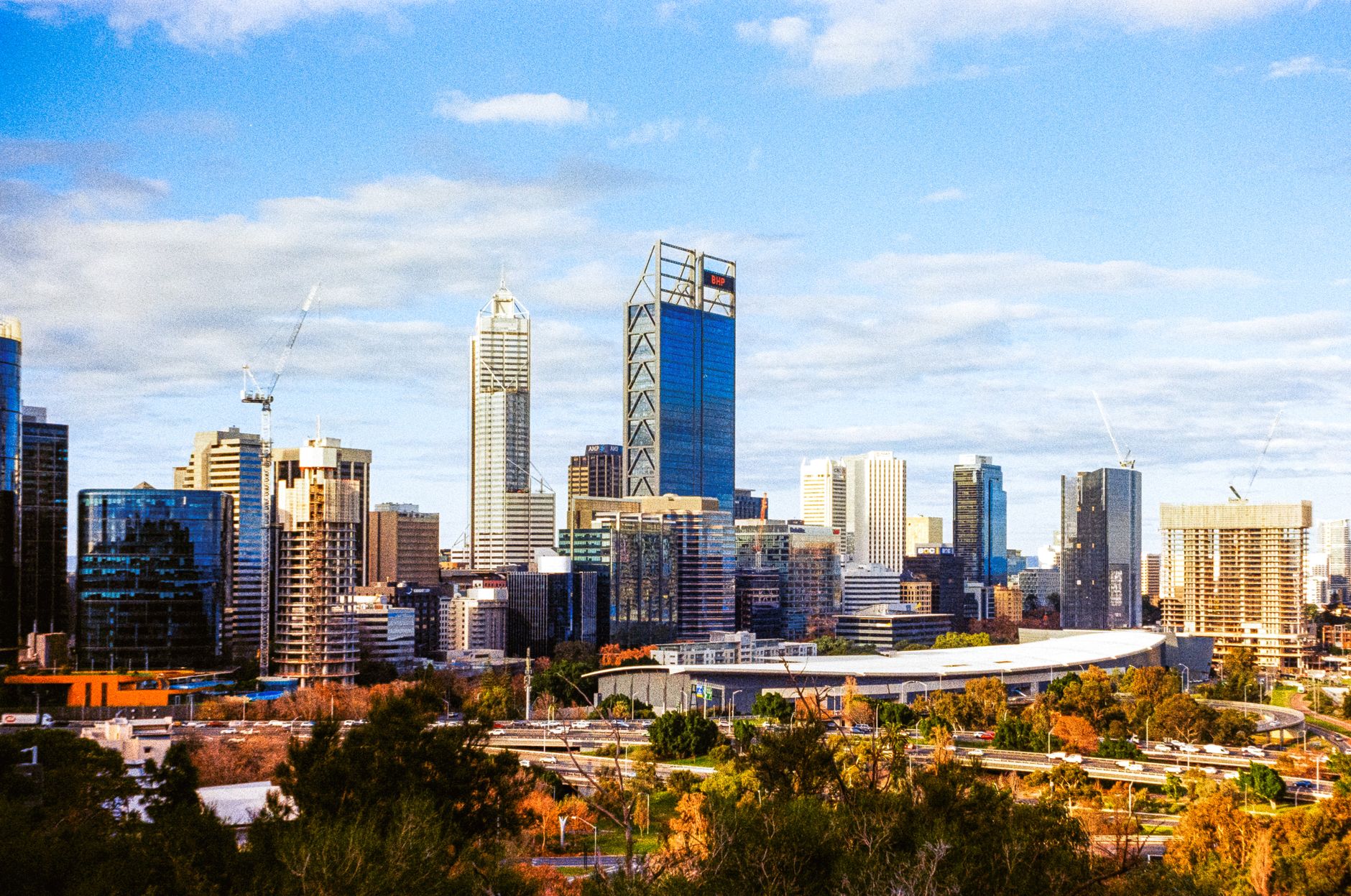
Dallas is growing at a breakneck pace, but that rapid expansion is pushing the city’s roadway infrastructure to its absolute limit. As hundreds of thousands of new residents move to the metroplex, the daily commute has transformed from a minor inconvenience into a high-stakes navigation challenge.
With more cars on the road than ever before, understanding the intersection of urban growth and traffic safety is crucial for every Dallas driver.
The Price of Expansion: Dallas's Population Boom
Dallas is trapped in a classic urban paradox: its economic success is directly choking its arterial roadways. Fresh data from the U.S. Census Bureau confirms that the Dallas-Fort Worth metroplex swallows up more than 100,000 new residents year after year, cementing its status as a premier engine of American metropolitan growth. But this relentless influx forces a crumbling grid of mid-century highway designs to shoulder the weight of millions of modern commuters daily.
Gridlock and Geometrics: Why Dallas Roads Are Becoming More Dangerous
Complex highway designs and perpetual construction zones create a high-risk environment for major traffic collisions. The infamous "Mixmaster" interchange and the sweeping curves of Interstate 635 require split-second decision-making at high speeds. When you combine confusing lane configurations with sudden bottleneck congestion, the margin for driver error shrinks to almost zero.
If you find yourself caught in one of these volatile bottlenecks and suffer an injury, speaking with a dedicated car accident attorney can help clarify your options for financial recovery. Professional legal guidance ensures that you do not have to fight insurance corporations alone while recovering from infrastructure-related incidents.
Primary Infrastructure Hazards:
- The Bottleneck Effect: Sudden lane drops on major freeways force aggressive, last-second merging.
- Active Construction Corridors: Shifting barriers, uneven pavement, and confusing temporary signage disrupt normal traffic flow.
- High-Speed Interchanges: Short merge ramps give drivers inadequate time to match the speed of highway traffic.
Distraction and Speed: The Human Element in Traffic Pressure
Increased congestion on Dallas roads has led to a noticeable rise in aggressive driving behaviors and distracted commuting. When drivers face longer delays, they are statistically more likely to look at their phones out of boredom or push the speed limit to make up for lost time.
The Texas Department of Transportation (TxDOT) frequently notes that speeding and driver inattention remain the leading causes of reportable crashes across Dallas County.
Key Traffic Stat: In a single calendar year, TxDOT recorded over 30,000 traffic accidents in Dallas alone, proving that the risk is an everyday reality for local commuters.
Navigating the Aftermath: Steps to Take After a Crash
Knowing exactly how to react immediately following a collision can protect both your physical health and your legal rights. The scene of a car accident is chaotic, but staying calm and following a structured plan ensures that vital evidence is preserved and injuries are documented.
1.Ensure Safety and Move Off the Road:Immediate.
Check yourself and your passengers for injuries. If the vehicles are drivable and it is safe to do so, pull over to the shoulder to prevent a secondary collision.
2.Contact Emergency Services:Within 5 minutes.
Call 911 immediately to get police officers and medical personnel to the scene. An official police report is vital for insurance and legal purposes.
3.Document the Scene Entirely:Within 15 minutes.
Take clear photos of vehicle damage, license plates, road conditions, and any visible injuries. Exchange insurance and contact details with the other driver.
4.Seek Medical Evaluation:Within 24 hours.
Visit an emergency room or primary care doctor right away. Adrenaline can mask severe injuries, such as whiplash or internal trauma, which may not manifest symptoms until days later.
Legal Support in the Metroplex: How Texas Statutes Impact Liability
Securing local advocacy is often the most critical step in recovering fair compensation after a serious highway collision. Navigating insurance claims, multi-party liability, and medical liens under Texas transportation laws can be incredibly overwhelming when you are trying to heal.
Texas utilizes a modified comparative fault system, meaning that an insurance adjuster's primary objective is often to shift blame onto the victim to reduce overall payouts. Having an experienced representative ensures that evidence—ranging from traffic camera feeds to black box telemetry—is properly analyzed before settlement offers are finalized.
Beyond navigating fault rules, recovering victims can explore regional wellness resources and healthcare guidelines provided via the official Texas Department of State Health Services to find specialized rehabilitation networks in North Texas.
Looking Forward: Smart Driving in a Growing City
Defensive driving and situational awareness are your best defenses against the rising tide of Dallas traffic accidents. As the city continues to build upward and outward, drivers must adapt to the evolving environment rather than fighting the flow of traffic. Adopting these modern safety mindsets mirrors how we approach broader shifts in global innovation, a topic explored deeply in our recent guide on how technology trends transform modern business networks this year.
By leaving early, minimizing distractions, and giving fellow commuters plenty of space, we can collectively lower the pressure on our roads and keep our community safer.